



News:
Brokerage
Posted: October 13, 2015
Zimmerman and Udis of ABS arrange four leases totaling 19,416 s/f
Manhattan, NY Full-service commercial real estate firm ABS Partners Real Estate, LLC., secured four deals totaling 19,416 s/f on West 36th and West 38th Sts. The transactions were completed across three buildings, including 21 West 38th St., which was brought to full occupancy by the ABS’s Ron Zimmerman and Andy Udis.
The leases ABS secured include:
19-21 West 36th Street: J and H Creations signed a five-year, 5,200 s/f lease for the entire third floor of the building. The wholesale jewelry manufacturer will occupy the space beginning in October 2015. Zimmerman and Udis represented the landlord, 19 West 36th Street Holdings Corp., while Joe McLaughlin of Capstone Realty Advisors represented the tenant.
19-21 West 36th Street: ADG LLC. signed a five-year, 5,200-square-foot lease for the entire second floor of the building. The company, which designs and manufactures accessories for fast fashion retailers, will occupy the space beginning in September 2015. Zimmerman and Udis represented the landlord, 19 West 36th Street Holdings Corp., while Katarina Sundqvist of Brickhouse Real Estate, LLC. represented the tenant.
60-64 West 38th Street: Universal Processing, LLC. signed a seven-year, 4,551-sqaure-foot lease for the entire second floor of the building. The financial services company will occupy the space beginning in October of 2015. Zimmerman and Udis represented the landlord, Heskel’s West 38th Street Corp., the transaction while Jonathan Cohen and Robert Finkelstein, also of ABS Partners, represented the tenant.
21 West 38th Street: Greenman-Pedersen signed a 4,465-square-foot lease for the entire sixth floor of the building. The engineering and construction services firm will occupy the space beginning in September 2015, marking the first Manhattan location for the Long Island-based company. Zimmerman and Udis represented the landlord, Brause Realty, in the transaction, while Howard Fiddle and Evan Fiddle of CBRE represented the tenant.
The three side-street buildings range from six to 17 stories high and are located between Fifth and Sixth Avenues in the heart of the Garment District. The buildings are ideally located within walking distance of Bryant Park, Grand Central Terminal, Penn Station and the Port Authority Bus Terminal.
Tags:
Brokerage
MORE FROM Brokerage
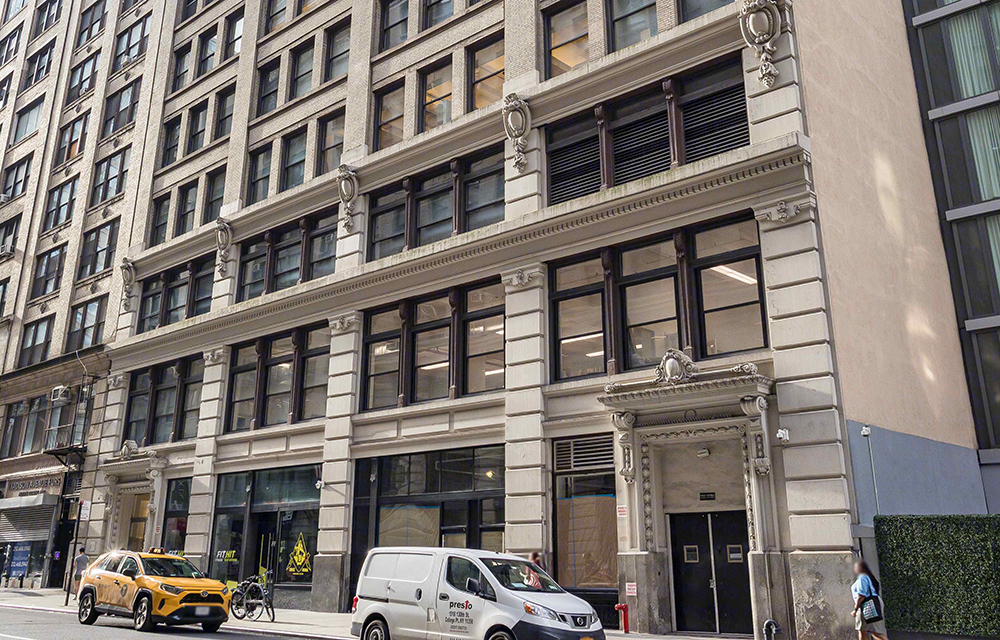
Koeppel Rosen inks 16-year 33,783 s/f lease for coworking firm Nomadworks at 122 West 27th St.
Manhattan, NY According to Koeppel Rosen LLC, leasing and management agent for the Rosen family portfolio, Nomadworks has signed a new 16-year, two-month lease totaling 33,783 s/f at 122 West



Quick Hits
 (2).gif)

Columns and Thought Leadership

The art of investing in real estate - by Thomas Donovan
Real estate investing is as much an art as it is a skill. No one can time the market, or the factors that drive it, perfectly. Location, zoning, size, transportation, and neighborhood density give you a baseline for

New York’s streets are full again, and the retail numbers prove it - by Noam Aziz
Walk down any New York block this year and you can feel it. The sidewalks are crowded, the storefronts are lit, and the energy that defines this city is back at full volume.

Hunt CRE question and answer: Choosing a real estate agent - by David Hunt
First, we will only work with one agent exclusively. The primary reason is that we want that agent to legally represent our client’s interests. In New York State, a real estate agent has a fiduciary

Hunt commercial real estate question and answer: Fortune 500 wisdom - by David Hunt
Yes, there are lessons to be learned from the largest companies in America when comes to managing your real estate. But the decision to buy or lease real estate may not be one of
.gif)