



News:
Brokerage
Posted: February 7, 2011
Yeskey of AlixPartners addresses NYCREW at their January 11 event
The real estate recovery is well underway, though not without some bumps, workout specialist Dennis Yeskey told a gathering of 100 real estate professionals on January 11 at the "Industry Spotlight: Finance - Global Trends in the 2011 Real Estate Capital Markets" discussion sponsored by NYCREW, the New York area chapter of the Commercial Real Estate Women network.
Capital is returning to the market and with few foreclosures, workouts will increase, said Yeskey, managing director of N.Y.C.-based global consulting firm AlixPartners LLP, at the evening event held at the offices of law firm Crowell & Moring LLP. The lecture, which was preceded by a cocktail reception, kicked off NYCREW's yearlong celebration of its 10th anniversary.
"The last two years have been unbelievably strange," Yeskey began, adding that this most recent recession was the fifth downturn he'd witnessed, and "a crisis that was a non-crisis. Unlike the other four, we [in real estate] weren't the root cause of the problem."
Money is returning to the market faster than in previous recoveries, though it could take four years for employment figures to bounce back to pre-recession levels.
"Every recovery since World War II has taken longer to recover lost jobs," Yeskey said. "It's a normal function of a mature recovery."
New York will remain a major focus for the new wave of foreign investors, who perceive it as more affordable than other major cities around the world.
"I've never seen foreign interest in the U.S. greater," Yeskey said.
Apartments and hotels are seen as good investments, and infill retail remains positive, Yeskey said to the enthusiastic audience. The speech was his sixth annual industry preview for NYCREW.
The session was NYCREW's first event of 2011 and kicks off a yearlong celebration its 10th anniversary, with a pledge by leadership to provide more Industry Spotlight events covering substantive topics affecting the real estate industry, Leading Ladies Breakfast Series discussions with leading executives, community outreach, networking and exciting communication opportunities, said NYCREW 2011 president Karen Dome, a senior associate of Marcus & Millichap.
"I feel confident in the economy heading in a good direction in 2011 for multi-family investment sector," Dome said. "Let's get back to basics and reinforce that."
Shown (from left) are: Deborah Falcone, Wall Street Journal; Wendy Berger, Cole Schotz; Isabelle Pullis, Fidelity Nation Title Insurance; Joan Berkowitz, The Community Development Trust; Karen Dome, Marcus & Millichap; Dennis Yeskey, AlixPartners LLP; Tracey Daniels, Hartman & Craven; Barbara Champoux, Crowell & Moring; and Christine Chipurnoi, Wells Fargo.
Tags:
Brokerage
MORE FROM Brokerage
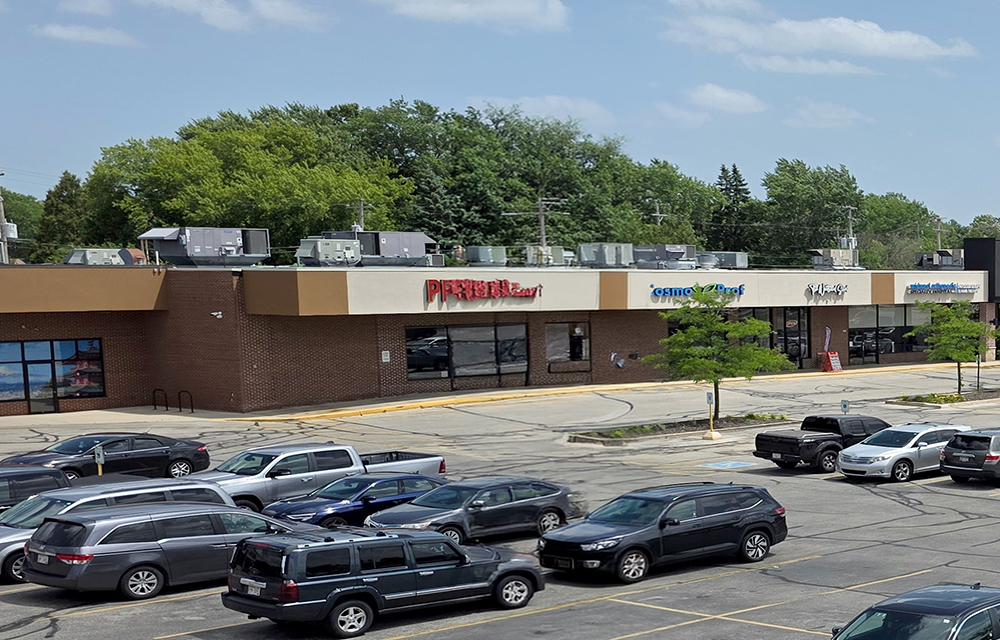
United Properties Corp. expands Wisconsin and Illinois retail presence adding 200,000 s/f
West Allis, WI United Properties Corp. completed two retail acquisitions totaling $27.4 million across Illinois and Wisconsin, adding 205,000 s/f of shopping center space to its portfolio




 (2).gif)

Columns and Thought Leadership

Hunt commercial real estate question and answer: Fortune 500 wisdom - by David Hunt
Yes, there are lessons to be learned from the largest companies in America when comes to managing your real estate. But the decision to buy or lease real estate may not be one of

Positive forecast for New York’s pro-housing push? - by Philip Butler
New York’s housing crisis remains a hot button topic despite growing consensus that varied and affordable housing is desperately needed statewide. Governor Hochul has recently introduced several initiatives to overcome N.Y.’s anti-housing

A guide to finding the right NYC property management company - by Sanjay Gandhi
Being a small to midsize landlord in NYC is an increasingly demanding endeavor. From navigating complex regulations, increased compliance demands to dealing with tenant issues and remediating violations. It is wise to enlist the assistance of a partner, a professional

New York’s streets are full again, and the retail numbers prove it - by Noam Aziz
Walk down any New York block this year and you can feel it. The sidewalks are crowded, the storefronts are lit, and the energy that defines this city is back at full volume.
.gif)