



News:
Brokerage
Posted: September 4, 2009
Work-outs for commercial tenants in today's economy
Today, commercial tenants are faced with a decrease in revenue while having to meet the same financial obligations as in a strong economy. The most significant financial obligation that a tenant struggles with in a receding economy is rent. In order to stay in business and avoid the pitfalls of eviction or bankruptcy, tenants should be pro-active and approach their landlords regarding rent reductions and/or deferments.
Prior to approaching a landlord, tenants should prepare a lease summary containing the following information: (a) the total monthly and annual rent (inclusive of escalations); (b) the remaining term of the lease; (c) the type of tenant entity (individual, single asset, or tenant under multiple leases and locations); (d) type (cash or letter of credit) and amount of security held by landlord; and (e) the absence or presence of personal liability (i.e. guarantees). The more tenant favorable the terms of the lease are, the more leverage tenant will have in a negotiation with its landlord.
Next, tenant should be prepared to disclose complete financial records for the past three years together with cash flow projections for the next year, a current list of all of tenant's accounts payable, including the creditor names, balance due, amounts in arrears and any information regarding tenant negotiations with its creditors. This information will assist in justifying the need for the rent abatement and provide comfort to landlord regarding tenant's ability to pay the reduced rent.
A prudent tenant should not overlook doing its own evaluation of the financial strength of landlord. Specifically, tenant should consider the occupancy levels of the property, the price per rentable square foot of vacant space in the building (especially space similar to that occupied by tenant), and the status of landlord's financial obligations.
To induce landlord to make a deal, tenants should be prepared to offer additional security for the lease either in cash or with a personal guaranty. Guaranties can take the form of a full guaranty or a "good guy" guaranty, which is more favorable to a tenant. A popular compromise between a full guaranty and a "good guy" guaranty is a modified "good guy" where liability continues for 6 to 12 months after written notice from tenant that it intends to vacate the space.
Another inducement might be to shorten the term of the lease. Shortening the lease term will allow landlord to renegotiate the rent with tenant sooner or find a new tenant willing to pay a higher rent when market conditions improve.
The bottom line with any negotiation for a rent concession is to keep in mind the competing interest of landlord and tenant by attempting to minimize tenant defaults and vacancies and maximize profits to the extent possible.
As with any real estate transaction, it is critical that both parties be represented by experienced attorneys and any agreement reached be put in writing so that there are no misunderstandings in the future.
Todd Lamb and Anthony Portera are partners at Hiscock & Barclay, LLP, New York, N.Y.
Tags:
Brokerage
MORE FROM Brokerage
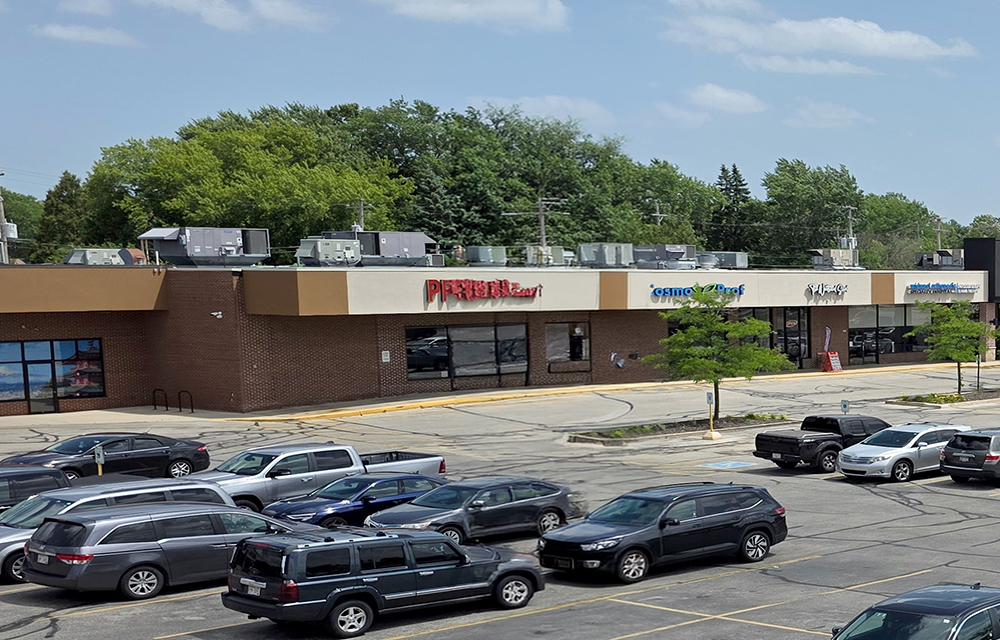
United Properties Corp. expands Wisconsin and Illinois retail presence adding 200,000 s/f
West Allis, WI United Properties Corp. completed two retail acquisitions totaling $27.4 million across Illinois and Wisconsin, adding 205,000 s/f of shopping center space to its portfolio





Quick Hits
 (2).gif)

Columns and Thought Leadership

Positive forecast for New York’s pro-housing push? - by Philip Butler
New York’s housing crisis remains a hot button topic despite growing consensus that varied and affordable housing is desperately needed statewide. Governor Hochul has recently introduced several initiatives to overcome N.Y.’s anti-housing

A guide to finding the right NYC property management company - by Sanjay Gandhi
Being a small to midsize landlord in NYC is an increasingly demanding endeavor. From navigating complex regulations, increased compliance demands to dealing with tenant issues and remediating violations. It is wise to enlist the assistance of a partner, a professional

New York’s streets are full again, and the retail numbers prove it - by Noam Aziz
Walk down any New York block this year and you can feel it. The sidewalks are crowded, the storefronts are lit, and the energy that defines this city is back at full volume.

Hunt commercial real estate question and answer: Fortune 500 wisdom - by David Hunt
Yes, there are lessons to be learned from the largest companies in America when comes to managing your real estate. But the decision to buy or lease real estate may not be one of
.gif)