



News:
Brokerage
Posted: December 21, 2009
Wolf appointed publisher of the New York Real Estate Journal
Kristine Wolf has been named publisher of the 20-year old New York Real Estate Journal.
Wolf replaces John Picard who has been named president of East Coast Publications: Which owns the New England Real Estate Journal, the New York Real Estate Journal, www.nerej.com, www.nyrej.com, and www.rejournal.com, a 15-year old commercial/investment real estate website covering the northeast.
Wolf, a graduate of the University of Massachusetts, Amherst, began her newspaper career with the New England Real Estate Journal in 1993 as an associate publisher of the bi-monthly Connecticut Real Estate Journal.
In 1997, she became a sales account executive at the Boston Business Journal. And in 2001 she joined Lawyers Weekly.
Roland Hopkins, New England Real Estate Journal founder, said, "I always planned to entice her back to the Journal, and now she's here and doing great. She puts the clients first and that's what we're all about."
Wolf is married, lives on the south shore and has two children.
Tags:
Brokerage
MORE FROM Brokerage

Simi Capital enters Texas with acquisition of 359,000 s/f small-bay industrial portfolio in Northwest Houston
Houston, TX Simi Capital acquired a three-property, 359,000 s/f small-bay industrial portfolio. The transaction, completed in a joint venture with Decker Capital, marks Simi





Columns and Thought Leadership

Hunt CRE question and answer: Choosing a real estate agent - by David Hunt
First, we will only work with one agent exclusively. The primary reason is that we want that agent to legally represent our client’s interests. In New York State, a real estate agent has a fiduciary

Hunt commercial real estate question and answer: Fortune 500 wisdom - by David Hunt
Yes, there are lessons to be learned from the largest companies in America when comes to managing your real estate. But the decision to buy or lease real estate may not be one of

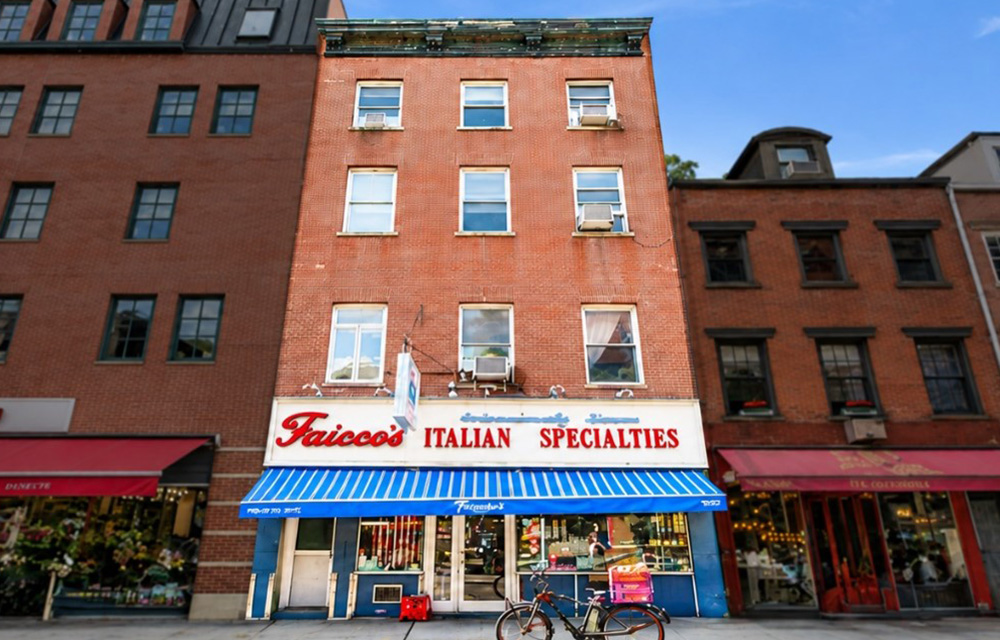
New York’s streets are full again, and the retail numbers prove it - by Noam Aziz
Walk down any New York block this year and you can feel it. The sidewalks are crowded, the storefronts are lit, and the energy that defines this city is back at full volume.

A guide to finding the right NYC property management company - by Sanjay Gandhi
Being a small to midsize landlord in NYC is an increasingly demanding endeavor. From navigating complex regulations, increased compliance demands to dealing with tenant issues and remediating violations. It is wise to enlist the assistance of a partner, a professional
.gif)