



News:
Brokerage
Posted: December 9, 2025
Winter Water Woes: How to Keep Your Apartment Building’s Sump Pump from Freezing This Season - by Evan West
Are you preparing your apartment building for winter? You may be focusing winterization efforts on heating systems, boilers, insulation, and frozen pipes. However, there is another critical system that is often overlooked: the sump pump. This small but powerful device quietly prevents flooding by removing groundwater and meltwater around the foundation. When temperatures drop, your building’s sump pump can become vulnerable; a single frozen discharge pipe or blocked line can disable the entire system, turning a safeguard into a major liability.
Imagine this: during a January cold snap, the discharge line freezes solid overnight. As the next day’s snow melts, the pump can’t push water out, and it starts to collect in the pit. Within hours, you’re facing rising water in the elevator shaft or parking garage, equipment damage, and an urgent call for emergency contractors. The good news? In my experience as the Chief Marketing Officer of ePumps (a premier water pump supplier), I have seen how foresight and seasonal maintenance can prevent these issues. Here’s how to keep your building’s sump pump going strong all winter.
Why Sump Pumps Freeze (and What’s at Risk)
A sump pump that freezes isn’t just bad luck… it usually results from a mix of design and environmental factors. Common causes include poorly insulated or exposed discharge pipes, standing water in pipes or pits from inadequate drainage, unheated basements or garages where mechanical rooms drop below freezing, and wind exposure at exterior pipe outlets (which speeds up ice formation). Understanding these causes is the first step toward prevention.
The consequences of a frozen sump pump can be severe. Pumps can burn out from overworking against ice, and discharge pipes can crack or burst, ultimately causing leaks and flooding. Basements or garages may fill with water, which can damage electrical systems, vehicles, and stored items. Insurance claims and tenant disruptions can also run into the thousands of dollars. In short, a $200-$500 sump pump problem can quickly turn into a $20,000 flooding disaster if ignored.
Signs Your Pump System May Be at Risk
Before the deep freeze of winter hits, it’s smart to assess your sump pump setup for any vulnerabilities. Warning signs include a discharge pipe that runs along an exterior wall or outside the building, an outlet that terminates near a downspout, snow pile, or low-lying area where water can refreeze, and long, uninsulated pipe sections exposed to cold air. Other red flags are not completing a winterization inspection in the last year or standing water and ice buildup near the sump pit or discharge outlet. If one or more of these issues apply to your building, it’s time to take action before the first hard freeze arrives.
Step-by-Step: How to Prevent Freezing
Preventing sump pump freeze-ups doesn’t require a major investment. It mainly involves careful preparation and regular maintenance. Begin by inspecting discharge pipes to ensure they are properly sloped (at least ¼ inch per foot) so water drains completely.
Insulate exposed or exterior pipes with foam sleeves, and in colder climates, add electric heat tape to keep water flowing. A freeze-resistant discharge extension (such as a larger-diameter pipe or flexible hose) can also help route water away from the foundation.
Sump pits and mechanical rooms should also be sealed and insulated. Keeping them in conditioned or semi-heated spaces (or using a small, safely operated space heater) can also make a significant difference.
Test the pump before freezing temperatures arrive by filling the pit to confirm automatic activation and proper discharge. For taller or high-risk buildings, consider a backup pump or secondary discharge line in case one freezes.
Checking for check-valve leaks is also important, as a faulty valve can allow water to flow back into the pit, refreeze, and jam the float switch or impeller. Implementing these preventive measures early can help avoid midwinter emergencies and extend the life of your sump pump.
Power and Backup Systems Matter in Winter
Even a perfectly maintained sump pump won’t work if it loses power, and winter storms are notorious for causing outages. Building managers should plan for redundancy to keep pumps running when the grid goes down. Key precautions include battery backup systems, which automatically take over if the primary power supply fails, keeping the pump active for several hours. For larger apartment complexes or buildings with critical infrastructure, such as elevator pits, backup generators can connect sump pumps to an emergency power circuit.
On top of this, alarms and remote monitoring systems can send text or email alerts if the pump stops working or if water levels rise unexpectedly. This will give building managers time to respond before flooding begins.
Regular Maintenance and Recordkeeping
Winter readiness isn’t a one-time event; it’s part of a year-round maintenance program. To keep your sump pump reliable, test the system monthly (especially from November through March). Also schedule professional inspections at least once a year to check electrical components, pit condition, and discharge flow. Keeping detailed maintenance logs is also essential, as these records can assist with compliance, warranty claims, and insurance documentation.
It is also very important to train maintenance staff to spot early warning signs, such as unusual noise, continuous running, or water pooling near the pit. Preventive maintenance is far less expensive than emergency restoration and will help ensure that residents’ homes remain dry and comfortable throughout the winter months.
Prepare Now to Prevent Water Damage All Winter!
Properly winterizing your apartment building requires giving your sump pump the attention it deserves. A frozen or malfunctioning pump can quickly turn into a costly disaster, as it can cause water damage, equipment loss, and unhappy residents. By taking proactive steps such as insulating discharge lines, testing pumps, ensuring backup power, and maintaining detailed logs, you can prevent emergencies before they happen. With consistent maintenance and early preparation, your sump pump will remain a reliable guardian against winter water woes. Keep your building dry, safe, and comfortable all season long!
Evan West is the Chief Marketing Officer of ePumps
Tags:
Brokerage
Thought Leadership
MORE FROM Brokerage
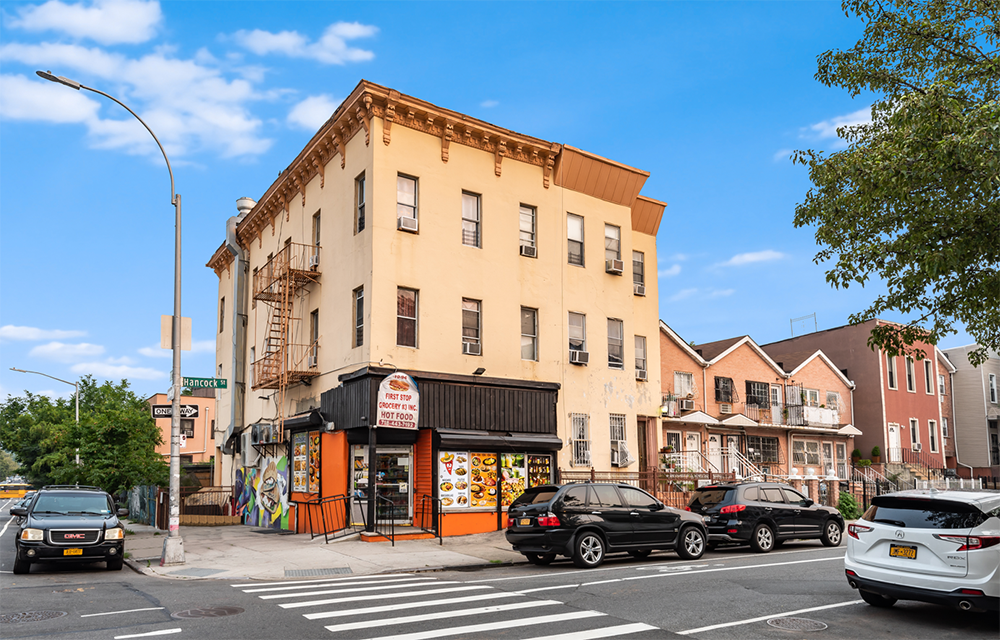
Investment Property Realty Group closes $1.75 million sale of 1094 Hancock Street in Brooklyn
Brooklyn, NY Investment Property Realty Group (IPRG), a New York-based commercial investment firm, has closed the sale of 1094 Hancock St., a mixed-use building in the Bushwick section, for $1.75 million.




Quick Hits
 (2).gif)

Columns and Thought Leadership

Hunt CRE question and answer: Choosing a real estate agent - by David Hunt
First, we will only work with one agent exclusively. The primary reason is that we want that agent to legally represent our client’s interests. In New York State, a real estate agent has a fiduciary

New York’s streets are full again, and the retail numbers prove it - by Noam Aziz
Walk down any New York block this year and you can feel it. The sidewalks are crowded, the storefronts are lit, and the energy that defines this city is back at full volume.

A guide to finding the right NYC property management company - by Sanjay Gandhi
Being a small to midsize landlord in NYC is an increasingly demanding endeavor. From navigating complex regulations, increased compliance demands to dealing with tenant issues and remediating violations. It is wise to enlist the assistance of a partner, a professional

Hunt commercial real estate question and answer: Fortune 500 wisdom - by David Hunt
Yes, there are lessons to be learned from the largest companies in America when comes to managing your real estate. But the decision to buy or lease real estate may not be one of
.gif)