



News:
Construction Design & Engineering
Posted: August 25, 2026
When Design and Construction Work Together, Everyone Wins - by Tammy Craig-Smith

The most successful renovation projects are rarely the result of a single great idea. They are the product of collaboration between talented designers and experienced construction professionals who understand that while they may approach a project from different perspectives, they share the same goal: creating an exceptional finished product for the client.
Designers are tasked with envisioning what a space can become. They focus on aesthetics, functionality, resident experience, and the overall vision for the project. Contractors, meanwhile, are responsible for bringing that vision to life within the realities of schedule, budget, building conditions, and constructability. It’s no surprise that the two disciplines do not always agree.
In fact, some of the best projects include healthy debate. Sometimes that means sketching ideas on a set of plans. Sometimes it means passionate conversations at volumes that suggest the project may be headed off the rails. More often than not, however, those discussions lead to better solutions because both sides are advocating for what they believe will create the best outcome.
If you’ve ever walked past a project meeting and wondered whether the designer and contractor were arguing, there’s a good chance they were. The difference is that experienced professionals know how to challenge ideas without damaging relationships, and those conversations often produce the strongest results.
A designer may envision a dramatic feature wall or custom installation, while the contractor may identify challenges related to installation, maintenance, timing, or cost. Likewise, a contractor may suggest a more efficient construction method that allows the design intent to remain intact while reducing disruption to residents. The key is understanding that neither perspective is more important than the other—they are simply different pieces of the same puzzle.
Experienced designers and contractors know how to navigate these conversations without losing momentum. They understand when to advocate for their position and when to listen. They recognize that each professional brings expertise within their own lane, and that successful outcomes depend on respecting those areas of expertise. The goal is not to “win” an argument but to find solutions that preserve the vision while ensuring the project can be executed effectively.
For boards, this collaboration is invaluable. A strong designer-contractor relationship often means faster problem-solving, fewer delays, more accurate budgeting, and fewer surprises during construction. When challenges arise—as they inevitably do—the project team is already accustomed to working together toward solutions rather than assigning blame.
At The Alban Group, we have worked alongside some of the region’s most talented design professionals and have seen firsthand how these relationships benefit our clients. The projects that run most smoothly are not necessarily the simplest projects; they are the ones where designers and contractors trust one another enough to have honest conversations, challenge assumptions, and keep the project moving forward.
Ultimately, boards are not hiring a designer and a contractor to work independently. They are assembling a team. When each member of that team respects the expertise of the others and remains focused on the shared objective, the result is a project that meets the design vision, stays on track, and delivers lasting value for the building and its residents.
Tammy Craig-Smith, president of The Alban Group, Newark, NJ.
MORE FROM Construction Design & Engineering
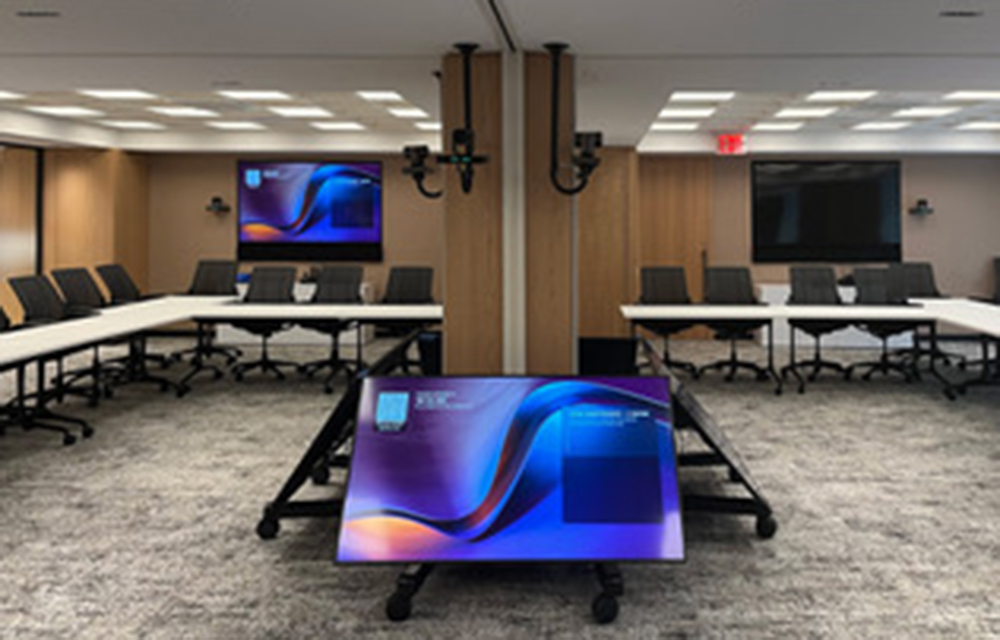
Kajima Building & Design Group completes workplace renovation for Marubeni America Corp. at 90 Park Ave.
Manhattan, NY Kajima Building & Design Group (KBDG) has completed a 1,500 s/f workplace renovation for Marubeni America Corp. at 90 Park Ave. in Midtown, renovating interior workspace designed to support both


Quick Hits

Columns and Thought Leadership

We support green construction. Just not this kind - by Tammy Smith
Most people think of St. Patrick’s Day as a fun footnote on the calendar. In construction logistics, however, it’s a full-scale operational variable — especially if your work touches major metro areas with major parades and, let’s call it what it is, enthusiastic celebrants.

Premium experiences, proven returns: The New revenue playbook for sports venues - by Terry McIntyre
Investing in the Fan Experience as a Revenue Strategy The sports and entertainment venues that bet on premium experiences years ago are now seeing those investments pay off in packed seats, increased revenue, and industry recognition.
