



News:
Brokerage
Posted: June 24, 2025
VOA-GNY and Sanborn celebrate completion of YP Senior Residence
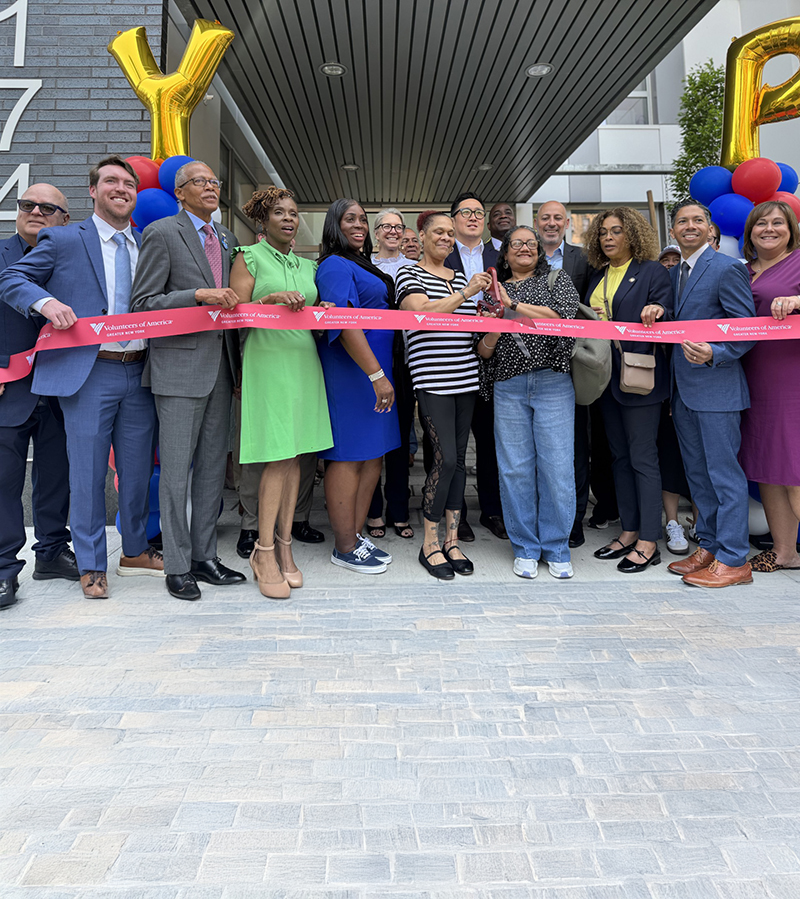
Bronx, NY Mayor Eric Adams and governor Kathy Hochul made known the completion of YP Senior Residence, a 117-unit affordable housing development in the Morris Heights neighborhood reserved for older New Yorkers who meet specific income restrictions. The $81 million project includes 37 supportive apartments where eligible tenants will receive onsite supportive services, building on the Adams administration’s record producing historic amounts of supportive housing and senior housing in the last two fiscal years.
Apartments at YP Senior Residence are available to households aged 55 or older and earning up to 60% of the area median income, with a vast majority reserved for New Yorkers 62 and older. The development includes 37 units reserved for older New Yorkers experiencing chronic homelessness who are eligible for onsite supportive services. YP Senior Residence also includes sustainable features such as rooftop solar panels, as well as a variant refrigerant flow heating and cooling system that captures and repurposes heat already in the environment. The building features Energy Star appliances, LED lighting, energy recovery ventilation for improved indoor air quality, water-conserving plumbing, and a green roof.
The development is designed to promote a supportive environment for socialization to help combat isolation. It is full of indoor and outdoor gathering spaces, including communal lounges on each floor, a rooftop terrace, and a landscaped courtyard. The project’s developer and onsite supportive services provider is the Volunteers of America - Greater New York (VOA-GNY), with Robert Sanborn Development serving as the co-developer.
“Older New Yorkers are often the anchors of our communities and the stewards of our shared history. That’s why, at HPD, we are deeply committed to ensuring that those who helped build and sustain their neighborhoods can age with dignity in safe, affordable homes,” said New York City Department of Housing Preservation and Development (HPD) acting commissioner Ahmed Tigani. “Today’s event is a testament to the incredible work that can happen when we work together — guided by our values and commitment to take care of our neighbors, including those who need a bit of additional support — and deliver real, tangible results.”
Tags:
Brokerage
MORE FROM Brokerage
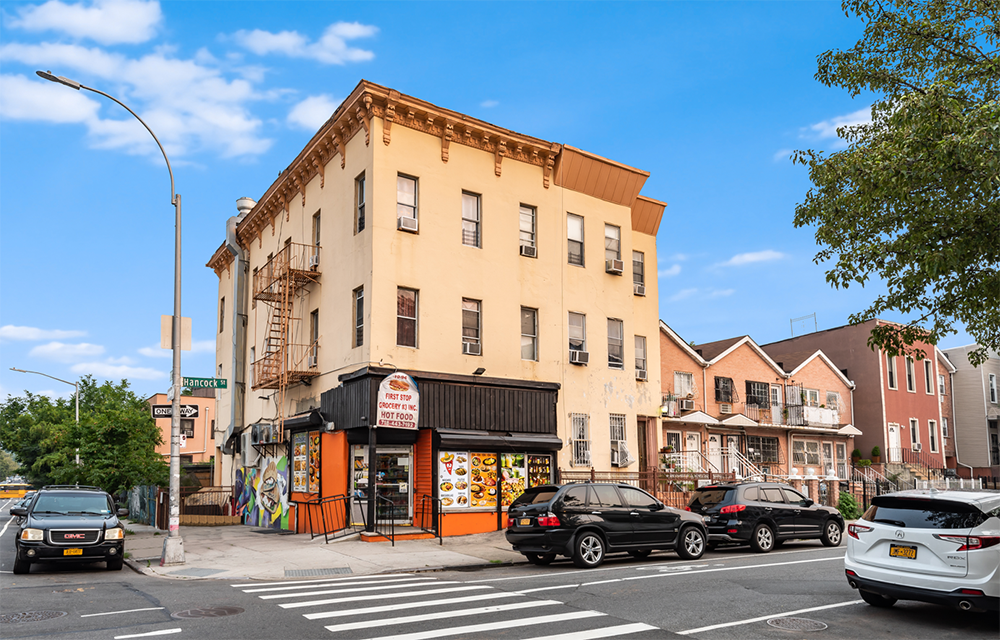
Investment Property Realty Group closes $1.75 million sale of 1094 Hancock Street in Brooklyn
Brooklyn, NY Investment Property Realty Group (IPRG), a New York-based commercial investment firm, has closed the sale of 1094 Hancock St., a mixed-use building in the Bushwick section, for $1.75 million.



Columns and Thought Leadership

Hunt CRE question and answer: Choosing a real estate agent - by David Hunt
First, we will only work with one agent exclusively. The primary reason is that we want that agent to legally represent our client’s interests. In New York State, a real estate agent has a fiduciary

New York’s streets are full again, and the retail numbers prove it - by Noam Aziz
Walk down any New York block this year and you can feel it. The sidewalks are crowded, the storefronts are lit, and the energy that defines this city is back at full volume.

Hunt commercial real estate question and answer: Fortune 500 wisdom - by David Hunt
Yes, there are lessons to be learned from the largest companies in America when comes to managing your real estate. But the decision to buy or lease real estate may not be one of

A guide to finding the right NYC property management company - by Sanjay Gandhi
Being a small to midsize landlord in NYC is an increasingly demanding endeavor. From navigating complex regulations, increased compliance demands to dealing with tenant issues and remediating violations. It is wise to enlist the assistance of a partner, a professional
.gif)