



News:
Brokerage
Posted: May 13, 2025
The town of Clarkstown must take a proactive role in facilitating the redevelopment of mall property - by Paul Adler
The foreclosure of the Palisades Center Mall in West Nyack marks more than the end of an era—it marks the beginning of a critical inflection point for Rockland County’s commercial real estate sector. Once the crown jewel of retail in the region, Palisades Center is now emblematic of the nationwide reckoning facing large-scale malls. But in crisis lies opportunity, and if Rockland County and the town of Clarkstown act with foresight, this site can be transformed into a model of 21st century urban regeneration.
The 2.2 million s/f mall is not just another distressed property; it is strategically located at the crossroads of three state highways—Route 303, the New York State Thruway (I-87), and Route 59. This unparalleled infrastructure offers a launchpad for mixed-use redevelopment that can reinvigorate the entire region. Yet, if allowed to languish in uncertainty and decay, the mall’s decline will ripple outward, impacting surrounding strip malls, office parks, and residential neighborhoods.
A deteriorating property of this magnitude invites criminal elements, economic stagnation, and disinvestment—a fate Rockland cannot afford.
What Does This Mean for Commercial Real Estate?
The foreclosure sends a clear signal: traditional retail, especially in monolithic, single-use formats, is no longer a sustainable model. Anchor tenants are gone, foot traffic has declined, and consumer habits have shifted irreversibly toward online shopping and experiential venues. Nearby commercial properties and strip malls are already seeing reduced traffic and increased vacancies due to this spillover effect.
But this challenge also creates fertile ground for reinvention. Around the country, we’ve seen defunct malls transformed into vibrant multi-use campuses featuring market-rate and affordable housing, Class A office space, entertainment venues, local food halls, boutique hotels, and last-mile logistics centers. These reimagined developments not only meet today’s market demands but also grow the tax base, attract young professionals, and reduce the housing burden on local residents.
Clarkstown’s Role in Shaping the Future
Now is the moment for Clarkstown to lead. The town can and must take an active role in facilitating the rebirth of this site. This includes:
- Proactive Zoning Changes: Update zoning to encourage mixed-use development. Streamline the approval process for projects that incorporate housing, retail, hospitality, and warehousing in thoughtful, community-oriented designs.
- Public-Private Partnerships (PPPs): Attract qualified development partners through RFPs and incentivize projects that include both market-rate and affordable housing. The town can leverage infrastructure investments or tax incentives to ensure alignment with community goals.
- Community Engagement: A successful redevelopment must have the support of local residents. Host listening sessions, visioning workshops, and town halls to include diverse voices in the planning process. Transparency and collaboration will be key.
- Sustainability and Smart Growth: Encourage green building practices and transit-oriented development. With its proximity to major roadways, the site can be a regional hub that balances growth with environmental responsibility.
State and County Must Play Their Part
Rockland County and New York State must recognize the Palisades Center site as a regional priority. That means funding infrastructure upgrades, facilitating state-level economic development grants, and supporting workforce housing initiatives. The state can also provide technical assistance for site remediation or redevelopment, and help market the location to prospective tenants or investors.
Importantly, redevelopment efforts must include affordable housing. Rockland County is facing a housing shortage that affects not just low-income residents but also young professionals, teachers, healthcare workers, and first responders. The Palisades Center site offers an unprecedented opportunity to address this need, while also diversifying Clarkstown’s economic profile.
A National Model in the Making
Communities from Austin, Texas to Aurora, Colorado have taken bold steps to reimagine malls as mixed-use neighborhoods. These projects have yielded increased tax revenues, reduced crime, and improved quality of life. Clarkstown has the chance to become a case study in how local governments can turn economic headwinds into transformational winds of change.
We must not let fear, inertia, or political infighting delay the future. The cost of inaction is far too high—not just in dollars, but in missed opportunity. Without a plan, decay will set in. And once the criminal element gains a foothold, reversing the decline becomes exponentially harder and more expensive.
Now is the time for vision. Now is the time for action.
Let us not allow the Palisades Center to become a monument to what was, but rather a cornerstone for what can be. This article first appeared in the Rockland County Business Journal.
Paul Adler is the chief strategy officer of Rand Commercial, Nyack, NY.
Tags:
Brokerage
MORE FROM Brokerage
Investment Property Realty Group closes $1.75 million sale of 1094 Hancock Street in Brooklyn
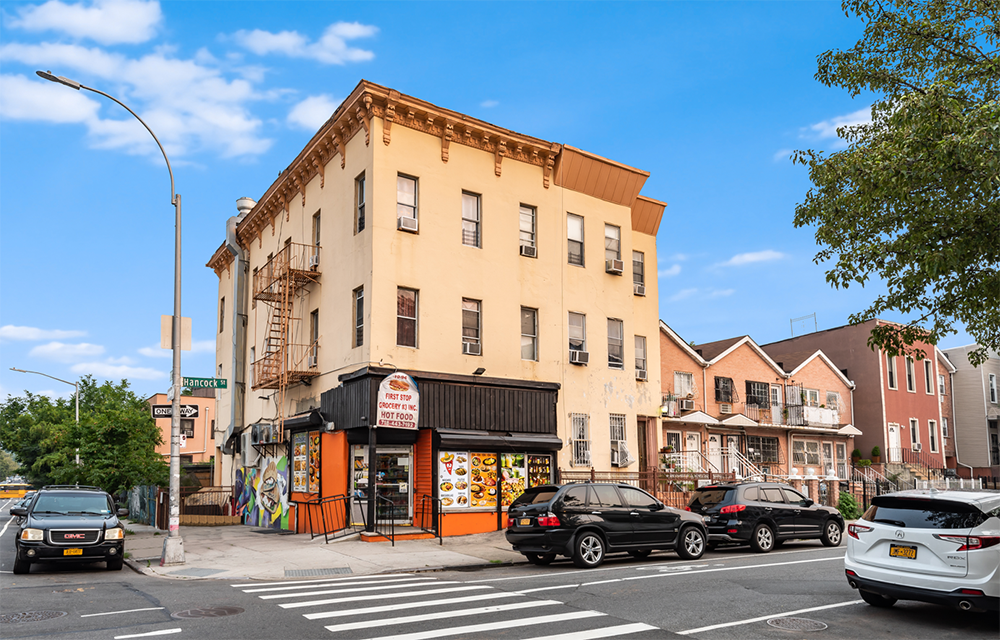
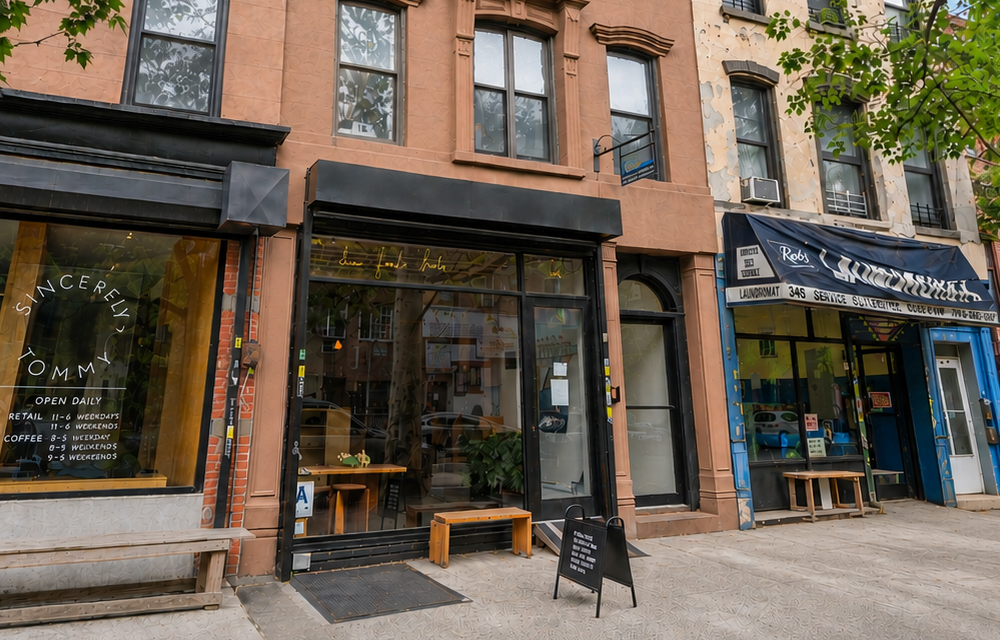
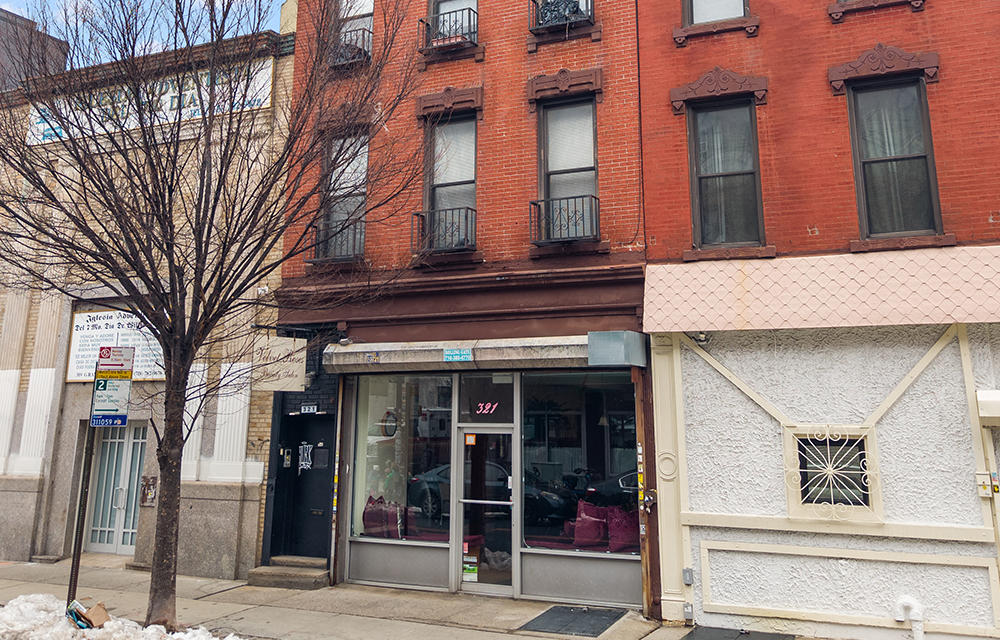
Brooklyn, NY Investment Property Realty Group (IPRG), a New York-based commercial investment firm, has closed the sale of 1094 Hancock St., a mixed-use building in the Bushwick section, for $1.75 million.


Quick Hits

Columns and Thought Leadership

New York’s streets are full again, and the retail numbers prove it - by Noam Aziz
Walk down any New York block this year and you can feel it. The sidewalks are crowded, the storefronts are lit, and the energy that defines this city is back at full volume.

A guide to finding the right NYC property management company - by Sanjay Gandhi
Being a small to midsize landlord in NYC is an increasingly demanding endeavor. From navigating complex regulations, increased compliance demands to dealing with tenant issues and remediating violations. It is wise to enlist the assistance of a partner, a professional

Hunt commercial real estate question and answer: Fortune 500 wisdom - by David Hunt
Yes, there are lessons to be learned from the largest companies in America when comes to managing your real estate. But the decision to buy or lease real estate may not be one of

Hunt CRE question and answer: Choosing a real estate agent - by David Hunt
First, we will only work with one agent exclusively. The primary reason is that we want that agent to legally represent our client’s interests. In New York State, a real estate agent has a fiduciary
.gif)