



News:
Brokerage
Posted: March 15, 2016
“To team, or not to team,” that is the real estate question by Mark Schnurman
 Mark Schnurman, Eastern Consolidated
In Hamlet, Shakespeare famously penned the line, “To be, or not to be, that is the question.” If he were a real estate pundit today he may have stated, “to team, or not to team.” This is an important question for every broker to answer regardless of their experience level.
Generally, the concept of a team is extremely sound. Teams allow for people to specialize and, by working together, accomplish more than they could on their own. Properly conceived teams would possess complementary skillsets with each member playing to their strength. The biggest downside I see in teams is that effort and impact are never the same. In other words, one member will always work harder than others and will always be responsible for more revenue than others. Over time this can create bad blood and distrust.
Most broker teams are static and hierarchical. These teams are structured in a way where each member has a specific role and responsibilities and in the best team these are complementary. There are several challenges to the traditional team structure. First, its very nature may limit creativity and success by creating a ceiling on individual performance since it is rare for a person to be elevated above his/her boss. Second, when talented people have their scope limited they are often unhappy and switch jobs. Lastly, team breakups often cause strife and ill-will, and while no one enters into a team with dissolution in mind, the reality is that the vast majority of teams do not last more than two years.
At Eastern, we’ve created a team model that is unique and possesses less of the built-in challenges that traditional teams possess. Most importantly, it is a model where a seller’s best interest is the priority and it is temporally limited by the length of the deal. The dynamic teams are created based on the property type, location, property size, owner, how the property should be marketed and several other factors, all designed to secure top dollar for the seller.
These teams are essentially single purpose entities with the goal of garnering interest and selling the property at the highest price. The dynamic teams are, at a minimum, made up of:
• A senior broker with years of experience and expertise closing similar deals who focuses on marketing strategy and deal negotiation.
• An associate who acts as the boots on the ground calling prospective buyers, doing showings, etc.
• An analyst and marketing associate.
• A retail and/or capital advisory broker as needed.
The elegance of this model lies in its simplicity. Once created, our teams perform at a high level and enable us to create a collaborative culture where, over time, all brokers work together and are not limited by geographic or property-specific fictions.
Mark Schnurman is the chief sales officer, principal at Eastern Consolidated, New York, N.Y.
Tags:
Brokerage
MORE FROM Brokerage
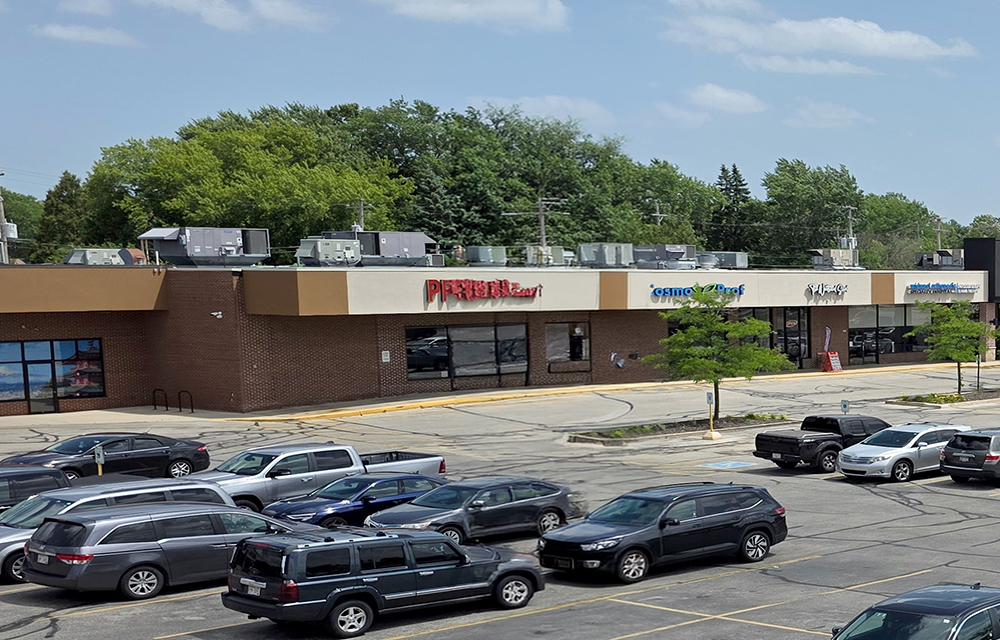
United Properties Corp. expands Wisconsin and Illinois retail presence adding 200,000 s/f
West Allis, WI United Properties Corp. completed two retail acquisitions totaling $27.4 million across Illinois and Wisconsin, adding 205,000 s/f of shopping center space to its portfolio





Quick Hits
 (2).gif)

Columns and Thought Leadership

New York’s streets are full again, and the retail numbers prove it - by Noam Aziz
Walk down any New York block this year and you can feel it. The sidewalks are crowded, the storefronts are lit, and the energy that defines this city is back at full volume.

Positive forecast for New York’s pro-housing push? - by Philip Butler
New York’s housing crisis remains a hot button topic despite growing consensus that varied and affordable housing is desperately needed statewide. Governor Hochul has recently introduced several initiatives to overcome N.Y.’s anti-housing

Hunt commercial real estate question and answer: Fortune 500 wisdom - by David Hunt
Yes, there are lessons to be learned from the largest companies in America when comes to managing your real estate. But the decision to buy or lease real estate may not be one of

A guide to finding the right NYC property management company - by Sanjay Gandhi
Being a small to midsize landlord in NYC is an increasingly demanding endeavor. From navigating complex regulations, increased compliance demands to dealing with tenant issues and remediating violations. It is wise to enlist the assistance of a partner, a professional
.gif)