



News:
Brokerage
Posted: March 15, 2016
Real estate websites and broker regulation by Tom Kearns
 Tom Kearns, Olshan Frome Wolosky
The recent news of a lawsuit against AirBNB alleging that the company is not entitled to collect fees for connecting tourists with New Yorkers offering space in their residences, highlights the need to update New York’s broker licensing statute and rules to accommodate evolving, more technologically advanced methods to connect buyers and sellers and landlords and tenants.
For decades, The New York Times was the primary resource for Manhattan apartment hunters, but it’s always been clear that the Times didn’t need to be a licensed real estate broker. It charged a flat fee and it was paid whether the landlord rented the apartment or not.
Today’s Internet and mobile apps have essentially eliminated the Times’ real estate advertising business but they have done so with methods that defy easy classification under the current broker regulations.
For example, if the advertised listing is free but the website or app receives a fee, albeit a larger fee, only upon the consummation of the lease, is the site required to have a broker’s license? The regulations don’t address this issue. Does it make a difference if the fee is a percentage of the rent or sales price as opposed to a simple flat fee? Nobody knows for sure, and it’s causing uncertainty and confusion in the market.
Some established websites have taken the conservative approach: auction.com’s site lists its affiliations with a licensed broker in every state in which it does business. Other sites take the position that merely connecting people over their site and charging a fee is not acting as a real estate broker. In informal advice via email, however, the Department of State has taken the position that the fact that the connection between the parties is made online does not mean that a license is not required. Applying this logic, it’s like saying the Times needed a broker’s license to run advertisements and was violating the law for years.
New York’s brokerage community is likely to be better served by pushing for a modernization of the regulations. Many of the sites take on areas of the real estate market that busy brokers are likely not interested in. For example, there is a website for temporary retail locations inside existing stores. These modern and, yes, low cost services appear to be aimed at connecting landlords and tenants in transactions that brokers couldn’t be bothered with. There is no way, of course, that a substantial office tenant would look for its new office space online. And I understand the argument that once the door is opened to unlicensed operators, it will be hard to control quality and limit fraud, but surely there is a compromise to be had here.
AirBNB and other online sites have valid arguments that the services they provide don’t require a broker’s license. The recent AirBNB lawsuit may not be successful for a variety of reasons, including the possibility that the plaintiff will not be able to get a class action certified and, if class action status is not granted, the economic impracticality of enforcing the license requirement on a case by case basis will be prohibitive. Please follow my column as I will follow the AirBNB case and any legislative or regulatory developments.
Tom Kearns is a partner at Olshan Frome Wolosky, New York, N.Y.
Tags:
Brokerage
MORE FROM Brokerage
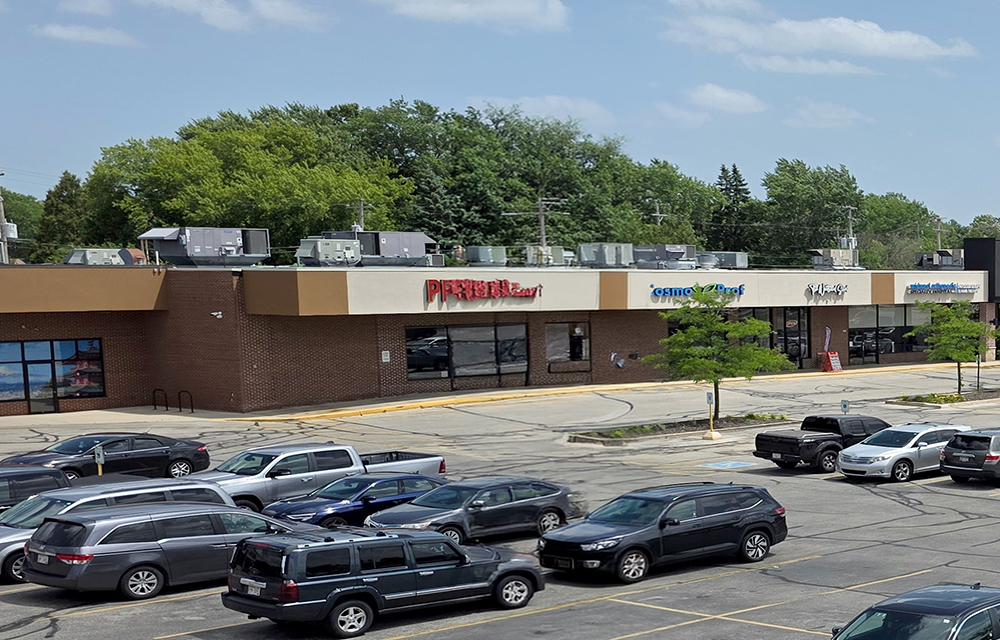
United Properties Corp. expands Wisconsin and Illinois retail presence adding 200,000 s/f
West Allis, WI United Properties Corp. completed two retail acquisitions totaling $27.4 million across Illinois and Wisconsin, adding 205,000 s/f of shopping center space to its portfolio






Quick Hits

Columns and Thought Leadership

New York’s streets are full again, and the retail numbers prove it - by Noam Aziz
Walk down any New York block this year and you can feel it. The sidewalks are crowded, the storefronts are lit, and the energy that defines this city is back at full volume.

Hunt commercial real estate question and answer: Fortune 500 wisdom - by David Hunt
Yes, there are lessons to be learned from the largest companies in America when comes to managing your real estate. But the decision to buy or lease real estate may not be one of

Positive forecast for New York’s pro-housing push? - by Philip Butler
New York’s housing crisis remains a hot button topic despite growing consensus that varied and affordable housing is desperately needed statewide. Governor Hochul has recently introduced several initiatives to overcome N.Y.’s anti-housing

A guide to finding the right NYC property management company - by Sanjay Gandhi
Being a small to midsize landlord in NYC is an increasingly demanding endeavor. From navigating complex regulations, increased compliance demands to dealing with tenant issues and remediating violations. It is wise to enlist the assistance of a partner, a professional
.gif)