



News:
Brokerage
Posted: December 6, 2016
Tirado of Largo secures $4 million loan for DoubleTree Club by Hilton
Largo-Double-Tree-Club-by-Hilton.jpg"> Largo-Double-Tree-Club-by-Hilton.jpg" alt="Double Tree Club by Hilton hotel - Buffalo, NY" width="430" height="286" /> Double Tree Club by Hilton hotel - Buffalo, NY
Largo-Double-Tree-Club-by-Hilton.jpg" alt="Double Tree Club by Hilton hotel - Buffalo, NY" width="430" height="286" /> Double Tree Club by Hilton hotel - Buffalo, NYBuffalo, NY Lori Tirado, managing director of the Largo Hospitality Finance Group, secured $4 million in financing for a Double Tree Club by Hilton hotel. Tirado arranged a non-recourse loan with a 10-year fixed rate term and a 25-year amortization schedule, with an interest rate in the low 4%’s. The loan was financed through one of Largo’s correspondent life insurance companies. A portion of the loan proceeds will be used to improve the hotel with a $1.2 million renovation.
The 100-room hotel was developed in 1998, and is located within the Buffalo Niagara Medical Campus (BNMC), one of the fastest growing areas of the city. The hotel offers its guests a direct connection to Roswell Park Cancer Institute (RPCI) and Buffalo General Hospital via an enclosed walk-way.
Additionally, Perry Miceli, principal of Largo, secured $11 million in financing for three multifamily properties located throughout Upstate: Miceli arranged $2 million in permanent financing to refinance the existing debt on a multifamily complex located in Fairport, a suburb of Rochester. The complex consists of 15 buildings with 30, two-story townhome units. Miceli also secured $9 million in permanent financing for a multifamily complex in Spencerport. Miceli secured two separate 10-year permanent first mortgages through Largo’s correspondent lenders.
The complex features 13 apartment buildings consisting of 105 units and close proximity to I-490.
To date, the Buffalo Niagara Medical Campus has seen an investment of $1 billion and new development is ongoing. Some of the key developments within the BNMC include RPCI’s $50 million clinical sciences center that opened earlier this year; also, Kaleida Health’s consolidation of its health systems on the campus, which includes the John R. Oshei Children’s hospital that is slated to open in late 2017; and University at Buffalo’s consolidation of its medical education programs with their new $375 million medical school which is expected to open in 2017. With this development, the demand for the hotel continues to grow and will only get stronger as the city continues to feel the positive impact of urban revitalization within the medical campus.
Tags:
Brokerage
MORE FROM Brokerage
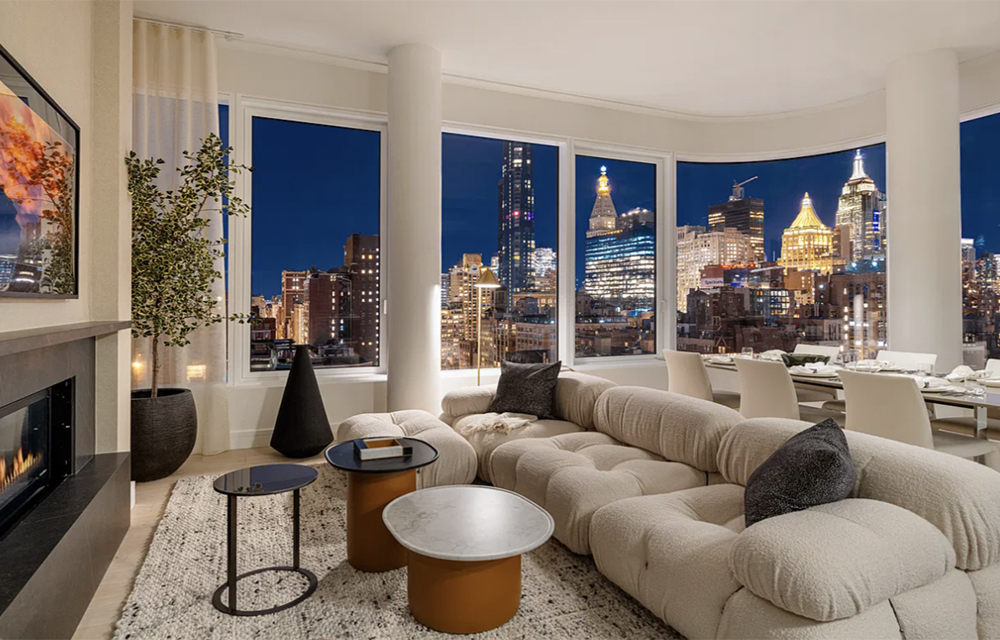
200E20TH sells out in Gramercy, penthouse A closes out sales at the CetraRuddy-designed condominium residences
Manhattan, NY 200E20TH, the CetraRuddy-designed architectural masterwork that brought a curved, contemporary sensibility to Gramercy’s Beaux-Arts streetscape, has



Quick Hits
 (2).gif)

Columns and Thought Leadership
The art of investing in real estate - by Thomas Donovan
Real estate investing is as much an art as it is a skill. No one can time the market, or the factors that drive it, perfectly. Location, zoning, size, transportation, and neighborhood density give you a baseline for

Hunt commercial real estate question and answer: Fortune 500 wisdom - by David Hunt
Yes, there are lessons to be learned from the largest companies in America when comes to managing your real estate. But the decision to buy or lease real estate may not be one of

Hunt CRE question and answer: Choosing a real estate agent - by David Hunt
First, we will only work with one agent exclusively. The primary reason is that we want that agent to legally represent our client’s interests. In New York State, a real estate agent has a fiduciary

New York’s streets are full again, and the retail numbers prove it - by Noam Aziz
Walk down any New York block this year and you can feel it. The sidewalks are crowded, the storefronts are lit, and the energy that defines this city is back at full volume.
.gif)