



News:
Construction Design & Engineering
Posted: January 21, 2020
Thornton Tomasetti launches embodied carbon measurement tool
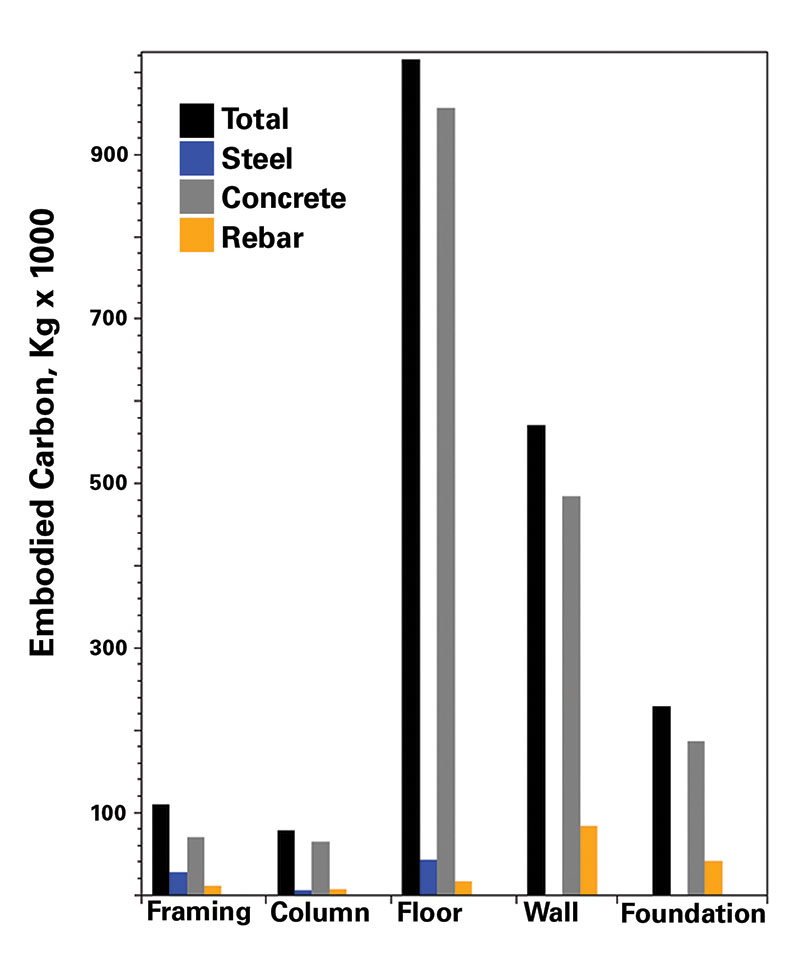 New York, NY Thornton Tomasetti, an international engineering firm, has launched Beacon, an embodied carbon measurement tool poised to change the way structural engineers understand and manage embodied carbon optimization. The tool–one of first of its kind–gives users the ability to measure embodied carbon, allowing for more informed decisions throughout the design process.
Beacon is being introduced after a three-year research and development process led by Thornton Tomasetti’s CORE studio, a firm-wide virtual incubator focused on innovation through computational modeling and research. The tool is a sophisticated Autodesk Revit plugin that generates a comprehensive data visualization of a project’s embodied carbon. Beacon provides data similar to the engineer’s thought process, providing a clear visualization of a project’s embodied carbon quantities by material type, building element and floor levels, telling engineers exactly where embodied carbon can be minimized for optimization.
It also grades the model’s embodied carbon levels against the Carbon Leadership Forum’s database of models by building type using a red, yellow, and green rating system.
“Thornton Tomasetti continues to lead the industry’s efforts on efficient and environmentally conscious designs,” added Robert Otani, principal and chief technology officer at Thornton Tomasetti. “We decided to make Beacon an open-source and easy-to-use tool, so it can be shared at a global scale. We hope this unique and comprehensive tool will push the industry forward into developing innovative strategies that result in more sustainable and efficient structures.”
Beacon’s launch follows Thornton Tomasetti’s November release of results from its multi-year, project-based embodied carbon measurement study. The study focused on identifying the type of structures, materials and components with the highest carbon emissions.
“The built environment is estimated to be responsible for about 40% of global greenhouse gas emissions when building materials are factored in,” said Amy Seif Hattan, corporate responsibility officer at Thornton Tomasetti. “Therefore, it is up to us to help effect change. Beacon will help structural engineers address embodied carbon in new construction. It will also be extremely valuable to measure progress toward the Carbon Leadership Forum’s Structural Engineers 2050 Challenge’s primary goal of zero carbon buildings by 2050.” Hattan added that this challenge was recently endorsed by the Structural Engineering Institute Board of Governors, showing strong industry support for the initiative.
Beacon is currently available for download at https://core-studio.gitbook.io/beacon/.
MORE FROM Construction Design & Engineering
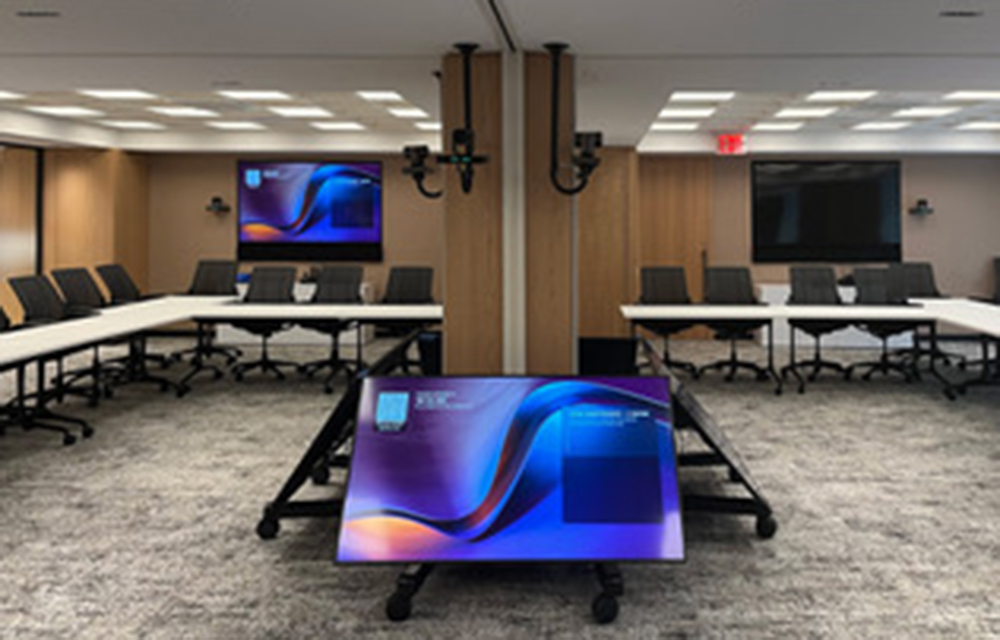
Kajima Building & Design Group completes workplace renovation for Marubeni America Corp. at 90 Park Ave.
Manhattan, NY Kajima Building & Design Group (KBDG) has completed a 1,500 s/f workplace renovation for Marubeni America Corp. at 90 Park Ave. in Midtown, renovating interior workspace designed to support both




Quick Hits


Columns and Thought Leadership

We support green construction. Just not this kind - by Tammy Smith
Most people think of St. Patrick’s Day as a fun footnote on the calendar. In construction logistics, however, it’s a full-scale operational variable — especially if your work touches major metro areas with major parades and, let’s call it what it is, enthusiastic celebrants.

Premium experiences, proven returns: The New revenue playbook for sports venues - by Terry McIntyre
Investing in the Fan Experience as a Revenue Strategy The sports and entertainment venues that bet on premium experiences years ago are now seeing those investments pay off in packed seats, increased revenue, and industry recognition.
