



News:
Brokerage
Posted: May 16, 2017
The Upper Manhattan market is on the upswing - by Justin Fitzsimmons

GFI Realty Services
Looking at the current state of Manhattan’s real estate market, we’ve begun to see a drop in pace, a pause in price and a plateau in demand; that is, however, when we don’t include Upper Manhattan in the conversation. When we look at the submarkets of Harlem (East and West), Inwood, Fort George and Washington Heights, we can see a market that is firing-up rather than leveling off.
The name of the game today is affordability, and northern Manhattan, in comparison to its southern neighbors are currently providing just that. In fact, when you look at the numbers, median single-family sales prices in Upper Manhattan are approximately half of what buyers are looking at in the rest of the borough. This affordability factor is the driving force behind the area’s impressive rise in sales and fast-moving inventory.
The year-to-date growth in Upper Manhattan is not surprising, to say the least. Looking back at the 2016 numbers, Upper Manhattan was far from stagnant. While we saw a city-wide decrease in investment property sales during the second half of the year, Washington Heights and East Harlem saw forward momentum, as prices continued to trend upward, foreshadowing the strong start that this underpriced section of Manhattan has seen in the first quarter of 2017.
Due to the closing of high-profile sales and heavyweight institutional investors making moves in the area, 2016 ended up being quite the year for Upper Manhattan. The northern section of the borough experienced a substantial year-over-year rise in total dollar volume, a large increase in single-family and multifamily property sales, as well as upward average prices per square foot across all asset classes.
This steady growth of the area is something that we see continuing for the near to medium term. With below average housing costs drawing in residents, and underpriced assets attracting investors, the subsections within northern Manhattan are likely going to keep drawing attention as the neighborhoods to the south continue to see stagnation.
Justin Fitzsimmons is a research analyst at GFI Realty Services, New York, N.Y.
Tags:
Brokerage
MORE FROM Brokerage
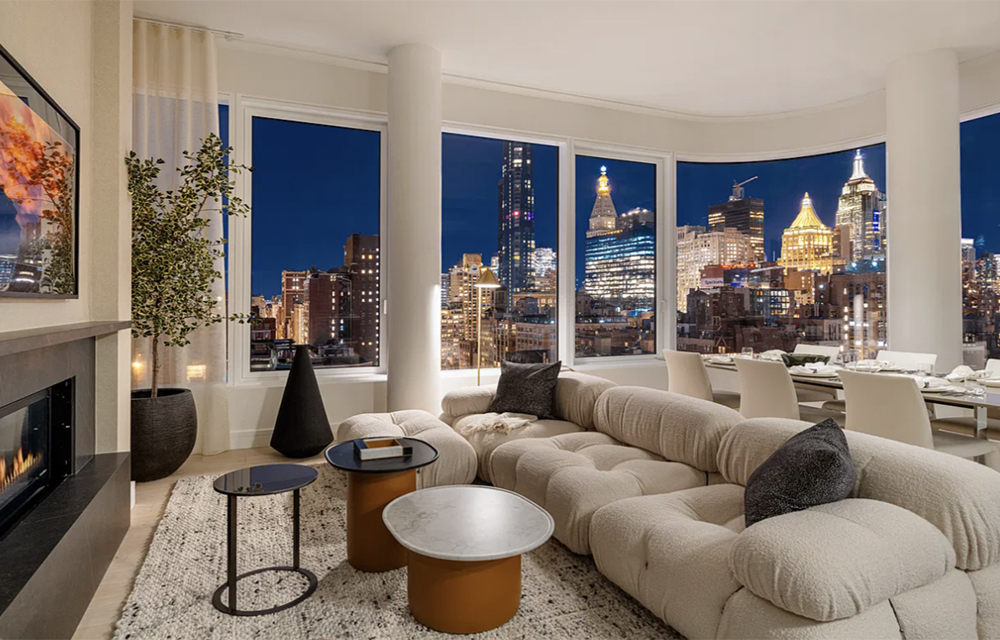
200E20TH sells out in Gramercy, penthouse A closes out sales at the CetraRuddy-designed condominium residences
Manhattan, NY 200E20TH, the CetraRuddy-designed architectural masterwork that brought a curved, contemporary sensibility to Gramercy’s Beaux-Arts streetscape, has



 (2).gif)

Columns and Thought Leadership

Hunt CRE question and answer: Choosing a real estate agent - by David Hunt
First, we will only work with one agent exclusively. The primary reason is that we want that agent to legally represent our client’s interests. In New York State, a real estate agent has a fiduciary

The art of investing in real estate - by Thomas Donovan
Real estate investing is as much an art as it is a skill. No one can time the market, or the factors that drive it, perfectly. Location, zoning, size, transportation, and neighborhood density give you a baseline for

New York’s streets are full again, and the retail numbers prove it - by Noam Aziz
Walk down any New York block this year and you can feel it. The sidewalks are crowded, the storefronts are lit, and the energy that defines this city is back at full volume.

Hunt commercial real estate question and answer: Fortune 500 wisdom - by David Hunt
Yes, there are lessons to be learned from the largest companies in America when comes to managing your real estate. But the decision to buy or lease real estate may not be one of
.gif)