



News:
Brokerage
Posted: October 26, 2010
The effect of government mandated wage increases in New York
N.Y.'s economy is at a critical juncture. Job growth has been positive but not enough to significantly drive down our unemployment rate. Tax increases—real property, personal income, and sales—have curtailed in part consumer spending that would help our economy. In the current economic climate, it is imperative that legislative efforts strengthen the business environment, lower costs and burdensome requirements on businesses and provide incentives for companies to retain and expand their workforce. There are two bills—one in the city council (mandated paid sick leave) and the other in Albany (mandated prevailing wages for utility companies).
We were pleased when city council speaker Christine Quinn announced in the middle of October that no action would be taken on the paid sick leave bill (Intro 97).
REBNY has been working vigorously to halt the passage of this bill. The paid sick leave bill would have increased payroll cost by an estimated $789 million a year with the bulk of this cost being borne by small businesses and the construction industry.
This announcement by speaker Quinn is the successful culmination of a collective effort of N.Y.'s business community to contain the growing cost of doing business in the city, especially during these difficult times. The mayor's opposition to this proposal was appreciated and helpful. Particularly noteworthy were the efforts of the chamber of commerce in each of the five boroughs. They were a strong and effective voice for numerous businesses on neighborhood retail corridors and in local business districts around the city. Likewise, the study conducted by the Partnership for New York identified the total fiscal cost of this bill and the types of businesses that would be seriously harmed by its adoption.
In Albany, another costly mandated wage bill is making its way through the legislative process. The state legislature has passed a bill that will soon be sent to the governor, which would increase costs for privately-owned utilities, such as Con Ed, delivering electricity, gas or steam. This increased cost will inevitably increase the rates charged to homeowners and business owners.
A coalition of businesses and organizations around the state are contacting the governor expressing their opposition to the bill and urging him to veto it.
This state bill would increase the type and amount of work that is subject to prevailing wage laws and expand the coverage of the prevailing wage law for the first time to private businesses.
By classifying gas and electric companies as "public agencies," this bill would require utilities to pay the prevailing wage rate to a host of service workers who perform work under contract. These are not utility workers, but instead contractors who are hired for their services.
These additional costs will result in higher rates to energy users and have nothing to do with improving customer service, reliability, or safety. These bills would also likely have a disproportionate impact on small and minority-owned businesses as they have a history of winning these contracts. Now that these companies would be required to pay prevailing wage they may no longer be able to compete effectively for them.
While this bill appears to only impact utilities, it sets a dangerous precedent for all businesses throughout the state.
The expansion of the prevailing wage law to private sector companies could be applied to virtually any private entity in the future - including manufacturers, food processors, hospitals, universities, insurers and others. In an earlier version of this bill, the prevailing wage requirement would have included business improvement districts.
In New York City the speaker's strong leadership halted a bill containing an unfunded mandate. In Albany, we now need equally strong leadership by the governor to halt this state bill.
However, there are additional city council and state bills that would burden taxpayers and private businesses with more job-killing mandates. New Yorkers need to see the costs of living and working in this state reduced, not increased.
The success with the paid sick leave bill demonstrates that when the business community acts together we can have a positive impact on our legislators. That's why REBNY will continue to promote a concerted business approach to proposed legislation, especially the bill that imposes prevailing wages on utilities.
Steven Spinola is the president of REBNY, New York, N.Y.
Tags:
Brokerage
MORE FROM Brokerage
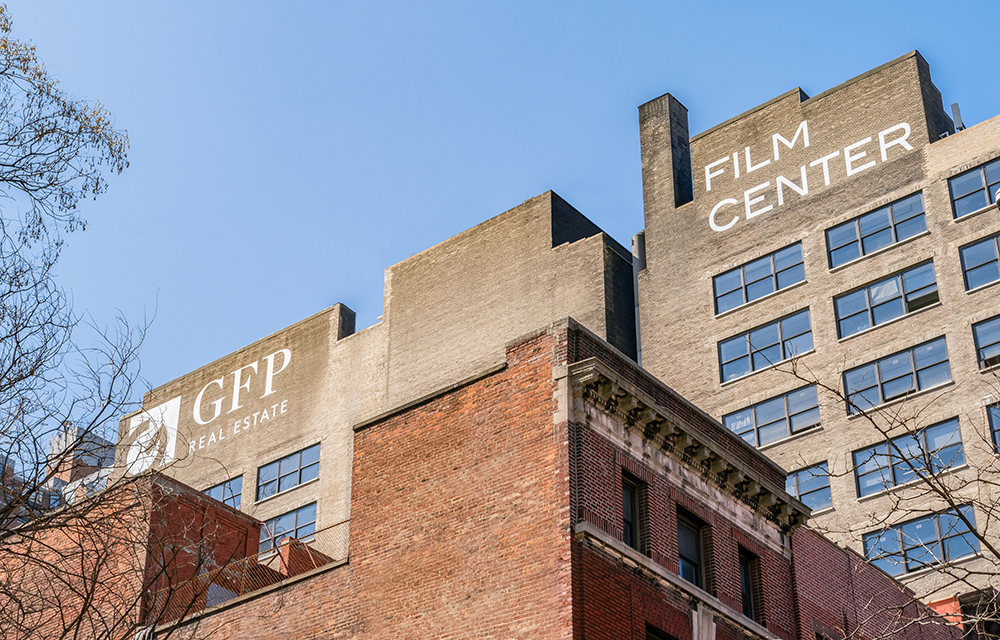
GFP Real Estate signs 11,078 s/f of leasing activity at 630 Ninth Ave.
Manhattan, NY GFP Real Estate closed three office leasing transactions totaling 11,078 s/f at 630 Ninth Ave. in Midtown, including a new lease with Irish Arts Center and extensions by existing





Quick Hits

Columns and Thought Leadership

Hunt commercial real estate question and answer: Fortune 500 wisdom - by David Hunt
Yes, there are lessons to be learned from the largest companies in America when comes to managing your real estate. But the decision to buy or lease real estate may not be one of

New York’s streets are full again, and the retail numbers prove it - by Noam Aziz
Walk down any New York block this year and you can feel it. The sidewalks are crowded, the storefronts are lit, and the energy that defines this city is back at full volume.

A guide to finding the right NYC property management company - by Sanjay Gandhi
Being a small to midsize landlord in NYC is an increasingly demanding endeavor. From navigating complex regulations, increased compliance demands to dealing with tenant issues and remediating violations. It is wise to enlist the assistance of a partner, a professional

Positive forecast for New York’s pro-housing push? - by Philip Butler
New York’s housing crisis remains a hot button topic despite growing consensus that varied and affordable housing is desperately needed statewide. Governor Hochul has recently introduced several initiatives to overcome N.Y.’s anti-housing
.gif)
September Promotion
