



News:
Spotlight Content
Posted: December 22, 2014
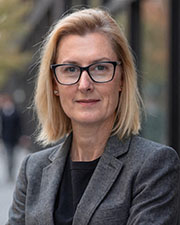
Tal Bar-Or, Meridian Capital Group, LLC
What was the best thing that happened to you or your firm in 2014?
The capital markets and underlying fundamentals of real estate have continued to strengthen, allowing us to achieve superior results for our clients.
What was your most notable project, deal, transaction or personal achievement in 2014?
Each deal has its own unique challenges and we look forward to continuing to successfully execute for our clients. On a personal note, I have continued to strengthen and grow my team, which will allow us to better serve our clients.
What are you looking forward to accomplishing in 2015?
We look forward to continuing to provide our clients superior execution. There are a number of interesting transactions we are currently working on and look forward to closing in early 2015. Additionally, we look forward to growing our successful equity practice and helping clients tackle larger opportunities by sourcing joint venture equity on their behalf.
What are some of your real estate predictions for 2015?
If I had an accurate read, I'd be selling crystal balls!
Tags:
Spotlight Content
MORE FROM Spotlight Content

Artificial intelligence war stories - by Thomas Kearns
The proliferating artificial intelligence products for law firms show promise of improving the quality of legal services and making lawyers more efficient, but as with any developing technology, the results are mixed, with some results being not worth



.png)

Quick Hits
 (2).gif)

Columns and Thought Leadership

2026 Developing Queens: Long Island Board of Realtors advances commercial growth and advocacy in Queens
The Long Island Board of Realtors (LIBOR) Commercial Network continues to play a key role in advancing opportunities and strengthening the commercial real estate landscape across Queens. Through targeted programming and global outreach

CRE Guide Featured Company: Merritt Environmental Consulting Corp.
Merritt Environmental Consulting Corp. (MECC) was established in June of 2009 after being part of a larger engineering firm for almost 20 years. The focus of the company is to assist lending institutions, attorneys, real estate investors, and property owners with environmental concerns. Today, MECC has offices in New York, Florida, and Vermont and has grown into a regional consulting firm serving clients along the East Coast.

Properly serving a lien law Section 59 Demand - by Bret McCabe
Many attorneys operating within the construction space are familiar with the provisions of New York Lien Law, which allow for the discharge of a Mechanic’s Lien in the event the lienor does not commence an action to enforce following the service of a “Section 59 Demand”.

From vacancy to vitality: How adaptive reuse is reshaping Long Island’s CRE landscape - by Andrea Tsoukalas Curto
Adaptive reuse has become one of the most important conversations in commercial real estate today. Long Island has a large inventory of aging retail, office and industrial
September Promotion
