



News:
Brokerage
Posted: April 2, 2020
REBNY launches Coronavirus Resource Hub website for the real estate industry
New York, NY The Real Estate Board of New York (REBNY), the city’s leading real estate trade association launched go.rebny.com/CoronavirusResources, the group’s Coronavirus (COVID-19) Resource Hub website available to the real estate industry regardless of their membership status in the trade association.
CLICK HERE to visit the site
“As New York continues to navigate the Coronavirus crisis, REBNY is focused on providing critical updates not only to our members, but to all New Yorkers in a timely and accurate way,” said REBNY president James Whelan. “In these unprecedented times, we continue to serve, support and advocate for our industry because it is such a critical driver of our City’s overall economic health and prosperity. Hundreds of thousands of New Yorkers earn a living in a real estate related field. Whether they are members of REBNY or not, our Coronavirus Resource Hub will provide a trusted, centralized source of information that will help the real estate industry navigate the quickly changing business climate during this difficult time.”
REBNY’s Coronavirus Resource Hub is available at go.rebny.com/CoronavirusResources. The website will connect members, the real estate industry and New Yorkers with the information they need to navigate these uncharted waters including:
- Federal stimulus resources. An overview of the provisions in the $2 trillion CARES Act, which includes support for workers; support for residential owners and tenants; lending support for businesses; tax support for businesses; and support for state and local governments. For more information, download REBNY Resources: An Overview of the Federal Stimulus for the Real Estate Industry During the Coronavirus (COVID-19) Crisis.
- Real estate industry resources. A collection of breaking news updates from REBNY to members via the group’s Coronavirus Update Newsletter, as well as guidelines and tips for the real estate industry to help facilitate virtual business transactions during this crisis. For more information download REBNY Resources: Practices to Facilitate Remote Real Estate Closings Using Technology During the Coronavirus (COVID-19) Crisis.
- Government resources. Links to official guidance and insights from the Centers for Disease Control and Prevention (CDC), the White House, Federal Emergency Management Agency (FEMA) and other federal agencies, as well as New York State and New York City’s official Coronavirus guidance, including executive orders and information and notices for building owners.
- How to Get and Give Help. Information about how individuals or organizations in need can apply for help and how individuals and organizations can donate services and resources to help during the crisis.
The Real Estate Board of New York (REBNY) is the city’s leading real estate trade association. Founded in 1896, REBNY represents commercial, residential, and institutional property owners, builders, managers, investors, brokers, and salespeople; banks, financial service companies, utilities, attorneys, architects, and contractors; corporations, co-partnerships, and individuals professionally interested in New York City real estate. REBNY conducts research on various civic matters including tax policy, city planning and zoning, rental conditions, land use policy, building codes, and other city, state, and federal legislation. REBNY regularly publishes market data, policy reports, and broker surveys. In addition, REBNY provides for its members: informational, technical, and technological resources; networking and charitable service opportunities; qualifying and continuing education courses; professional education programs, seminars, and designations; career-changing awards; legal advice; and a wide range of additional member benefits.
Tags:
Brokerage
MORE FROM Brokerage
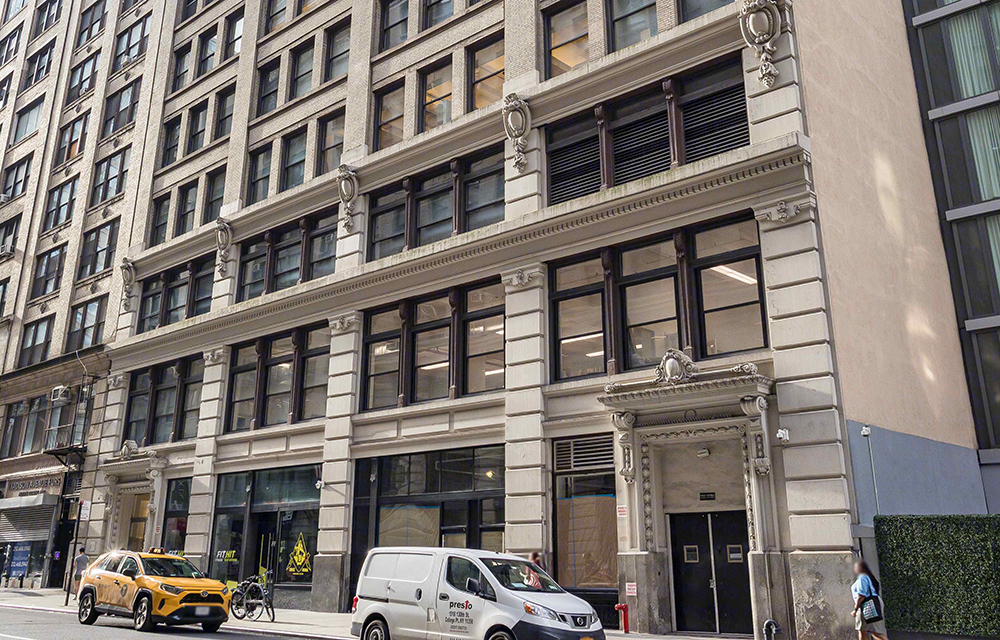
Koeppel Rosen inks 16-year 33,783 s/f lease for coworking firm Nomadworks at 122 West 27th St.
Manhattan, NY According to Koeppel Rosen LLC, leasing and management agent for the Rosen family portfolio, Nomadworks has signed a new 16-year, two-month lease totaling 33,783 s/f at 122 West





Quick Hits

Columns and Thought Leadership

New York’s streets are full again, and the retail numbers prove it - by Noam Aziz
Walk down any New York block this year and you can feel it. The sidewalks are crowded, the storefronts are lit, and the energy that defines this city is back at full volume.

Hunt commercial real estate question and answer: Fortune 500 wisdom - by David Hunt
Yes, there are lessons to be learned from the largest companies in America when comes to managing your real estate. But the decision to buy or lease real estate may not be one of

Hunt CRE question and answer: Choosing a real estate agent - by David Hunt
First, we will only work with one agent exclusively. The primary reason is that we want that agent to legally represent our client’s interests. In New York State, a real estate agent has a fiduciary

The art of investing in real estate - by Thomas Donovan
Real estate investing is as much an art as it is a skill. No one can time the market, or the factors that drive it, perfectly. Location, zoning, size, transportation, and neighborhood density give you a baseline for
.gif)