



News:
Brokerage
Posted: December 29, 2008
Real estate opportunities: Education and healthcare
As one professional who has been through multiple economic downturns over the past 30 years, one thing I can say with certainty is that this downturn will indeed end; when it will end is not quite clear nor is it certain the speed at which the economy will recover. Many economists believe that we may well be more that half way through this downturn based on the history of past recessions and others are forecasting that we may be in the steepest downturn since World War II; make no mistake about it, 2009 will prove to be a challenging year where we will see a continued loss of jobs across the country, rising unemployment, tight credit, more mortgage defaults and bankruptcies. But looking beyond 2009 and once we are clearly on the path to recovery, where will the investment opportunities lie in real estate?
To answer this question, we simply need to look at those factors influencing the underlying demand for real estate; i.e. population and household growth, income, and employment growth.
Just looking at employment today as one example, and in the midst of one of the most serious downturns in recent history, there are two sectors of the economy that continue to grow while almost all others are declining, and those would include the education and the health care industries. Institutions of higher learning are expanding across the country, creating demand for both commercial space and new housing. Indeed, the economic downturn has adversely impacted the endowments of many of these institutions and, along the way, have the slowed some of the ambitious expansion plans, but the long term growth potential for education is very good. We are currently advising on a major inner urban development initiative that is being spearheaded by a public-private partnership to create a new education campus in a major U.S. city that will create demand for market rate housing and office space.
Likewise, the health care industry is undergoing significant change, much of which is related to the ultimate goal of reducing patient health care costs. More and more surgical procedures are taking place outside the hospital in facilities situated on or near the hospital campus. This trend, in conjunction with the aging of the population, will create investment and development opportunities related to the development of medical office and administrative facilities for the health care industry across the country.
Finally, the long term outlook for rental housing is quite favorable. Due to more stringent mortgage underwriting criteria, many households will no longer qualify for ownership housing in the future. Furthermore, for those households who could potentially qualify for ownership housing and are entering the market for the first time, they will need to stay in rental housing for a longer period of time in order to save for the higher down payment required by mortgage lenders; all of these factors enhance the future demand for rental housing.
Thomas Justin, CRE, FRICS is the RICS Americas chairman, a RICS Americas governing council representative and a principal and executive VP of The Weitzman Group, Inc., New York, N.Y.
Tags:
Brokerage
MORE FROM Brokerage
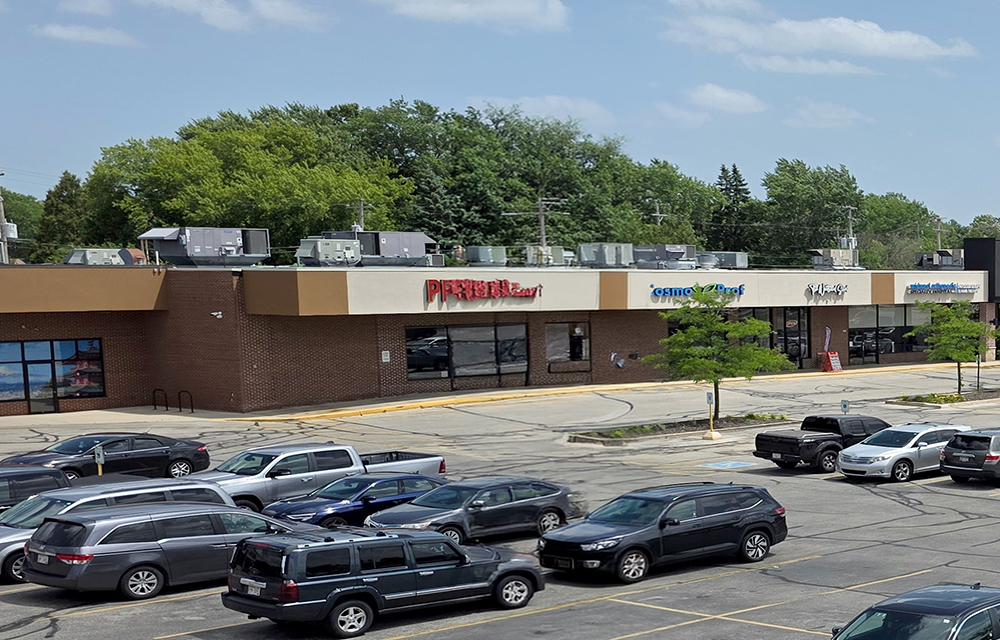
United Properties Corp. expands Wisconsin and Illinois retail presence adding 200,000 s/f
West Allis, WI United Properties Corp. completed two retail acquisitions totaling $27.4 million across Illinois and Wisconsin, adding 205,000 s/f of shopping center space to its portfolio





Quick Hits

Columns and Thought Leadership

Hunt commercial real estate question and answer: Fortune 500 wisdom - by David Hunt
Yes, there are lessons to be learned from the largest companies in America when comes to managing your real estate. But the decision to buy or lease real estate may not be one of

Positive forecast for New York’s pro-housing push? - by Philip Butler
New York’s housing crisis remains a hot button topic despite growing consensus that varied and affordable housing is desperately needed statewide. Governor Hochul has recently introduced several initiatives to overcome N.Y.’s anti-housing

A guide to finding the right NYC property management company - by Sanjay Gandhi
Being a small to midsize landlord in NYC is an increasingly demanding endeavor. From navigating complex regulations, increased compliance demands to dealing with tenant issues and remediating violations. It is wise to enlist the assistance of a partner, a professional

New York’s streets are full again, and the retail numbers prove it - by Noam Aziz
Walk down any New York block this year and you can feel it. The sidewalks are crowded, the storefronts are lit, and the energy that defines this city is back at full volume.
.gif)