



News:
Brokerage
Posted: October 27, 2014
Part 1 of 2: Enforcing Remedies: Expedited Adjudication In New York Supreme Court's Commercial Division Now Available To Consenting Parties
Part 1 of 2
Although parties to a real estate deal seek a "win-win" at closing, when defaults occur, and litigation ensues, court delays can be particularly frustrating to the party seeking to enforce its remedies.
A new rule in New York allows parties to a commercial real estate transaction to speed resolution of a lawsuit through New York commercial division courts. Parties who fail to analyze this opportunity and the rule's implications in the context of documenting their particular transaction do so at their peril.
The Goal: Making New York's Courts More Responsive
As another step to be responsive to litigants in the business and financial communities, the "Rules of Practice for the Commercial Division of the N.Y.S. Supreme Court" was revised by the state's chief administrative judge to add a provision to get a case "trial ready" quicker than had previously been possible. This new provision is sometimes referred to as a "rocket docket."
The Method: Streamlining
the Lawsuit
The New York trial court rules provide that matters using the accelerated process must be ready for trial within 9 months after a party files a request for judicial intervention. To accomplish this, the rules limit discovery, eliminate certain appeals, and make mediation mandatory.
What Kind of Cases
are Eligible?
Accelerated disposition of a case is applicable to any contract that can be enforced in the commercial division. The new rule applies to the full range of agreements which comprise a commercial real estate transaction. These include notes, guarantees, mortgages, purchase and sale agreements, joint venture agreements, and leases.
Accordingly, if both parties to the transaction seek to "opt in" to this accelerated commercial division process, the "remedies" section of each of the commercial documents should set forth a "consent triggering" clause, discussed below.
Should These Rights be Waived?
To make a "rocket docket" possible, certain waivers by each of the parties are required, including:
* Objections based on improper service of process of the summons;
* Objections based on an inconvenient place of trial;
* The right to trial by jury;
* The right to recover punitive or exemplary damages;
* The right to any interlocutory appeal; and
* The right to discovery, except to discovery as agreed by the parties or as set forth in the rule.
Although some of these waivers are already included as "boilerplate" provisions in many commercial agreements (such as designating a method to accept service of process, agreeing to the place of trial, and waiver of a jury trial), it's important for a party to understand that the waivers of seeking certain damages, of filing an interlocutory appeal of an adverse motion decision, and of extensive discovery, would also apply if consent is given.
If the parties agree to these waivers, they can elect to have a lawsuit placed on the "rocket docket," should a court action be needed to enforce rights and remedies.
Part 2 will appear: Nov. 11 Edition
Robert Wilk is an attorney at Windels Marx Lane & Mittendorf, LLP, New York, N.Y.
Tags:
Brokerage
MORE FROM Brokerage
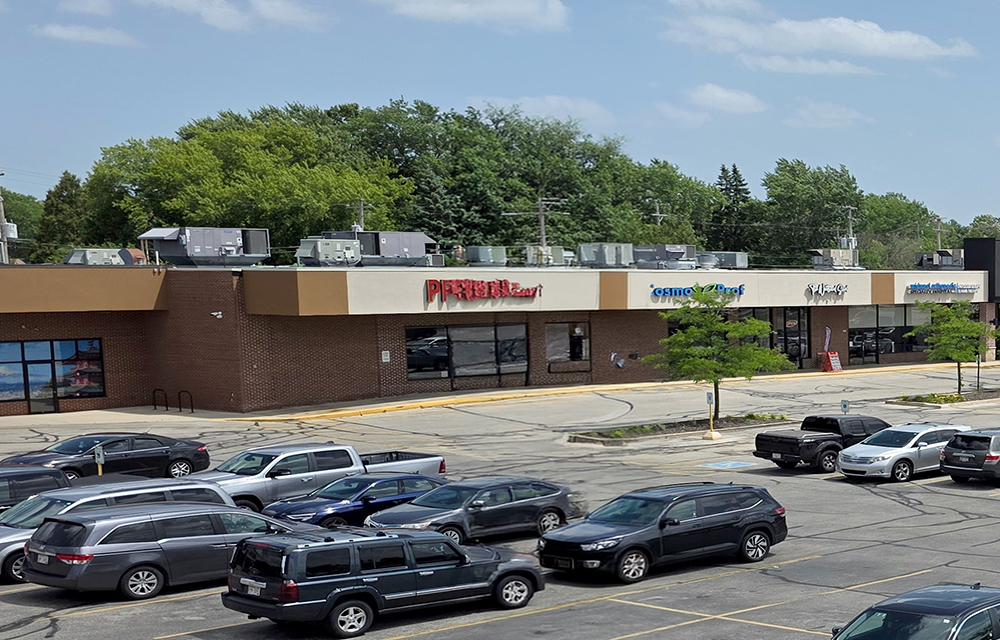
United Properties Corp. expands Wisconsin and Illinois retail presence adding 200,000 s/f
West Allis, WI United Properties Corp. completed two retail acquisitions totaling $27.4 million across Illinois and Wisconsin, adding 205,000 s/f of shopping center space to its portfolio





Quick Hits
 (2).gif)

Columns and Thought Leadership

Positive forecast for New York’s pro-housing push? - by Philip Butler
New York’s housing crisis remains a hot button topic despite growing consensus that varied and affordable housing is desperately needed statewide. Governor Hochul has recently introduced several initiatives to overcome N.Y.’s anti-housing

New York’s streets are full again, and the retail numbers prove it - by Noam Aziz
Walk down any New York block this year and you can feel it. The sidewalks are crowded, the storefronts are lit, and the energy that defines this city is back at full volume.

Hunt commercial real estate question and answer: Fortune 500 wisdom - by David Hunt
Yes, there are lessons to be learned from the largest companies in America when comes to managing your real estate. But the decision to buy or lease real estate may not be one of

A guide to finding the right NYC property management company - by Sanjay Gandhi
Being a small to midsize landlord in NYC is an increasingly demanding endeavor. From navigating complex regulations, increased compliance demands to dealing with tenant issues and remediating violations. It is wise to enlist the assistance of a partner, a professional
.gif)