



News:
Brokerage
Posted: March 21, 2017
Overview of New York State Lien Law and building loan soft costs by Kearns and Kindler
 Tom Kearns, Olshan Frome Wolosky
 Olshan Frome Wolosky LLP" width="150" height="150" /> Hyman Kindler, Olshan Frome Wolosky LLP
In the context of closing a building loan, the thrilling task of allocating budget line items between building and project loans (to comply with the New York State Lien Law) seems to unfortunately take place on the eve of closing–when deal fatigue has set in and thoughts abound as to where to hold the closing dinner.
While the technicalities of the New York State Lien Law are well beyond the scope of this article, it is hoped that the following will serve as an introduction in dispelling one common misconception in the building loan process, i.e. that building loan proceeds cannot be used for soft costs, and that borrowers and lenders will then be guided accordingly when preparing and reviewing the development budget for a building loan closing.
The Lien Law generally provides that building loan proceeds must be (and can only be) used for (a) improvements, which are generally (with certain exceptions) categorized as hard costs (for example, bricks, materials, machinery and the work thereon) [Lien Law, Section 2, subdivision 4], and (b) costs of improvements, which generally are defined to include hard costs (again) and certain soft costs [Lien Law, Section 2, subdivision 5].
Confusion often stems from a borrower’s failure to distinguish between those soft costs (sometimes called permissible soft costs or indirect costs) which can be funded with building loan proceeds and those soft costs (sometimes called non-permissible soft costs) which cannot be funded with building loan proceeds and must be funded by either equity or a separate loan, usually called a project loan. The distinction between the two types of soft costs is both statutory and determined by case law and is sometimes not intuitive. For example, lender’s legal fees are a permissible soft cost, but borrower’s legal fees area a non-permissible soft cost.
While not exhaustive, the following is a list of costs which have generally been deemed to be permissible soft costs/indirect costs (which can be funded with building loan proceeds): payroll taxes, sales taxes, real estate taxes, water rents, unemployment taxes, certain bond premiums, sums to pay off (or take by assignment) prior mortgages and the interest thereon, certain insurance premiums, ground rent, interest on building loan mortgages, “fair and reasonable sums paid for obtaining building loan and subsequent financing,”–which have generally been deemed to include, among other expenses, lender’s legal fees, lender’s inspection and appraisal fees, lender’s title insurance premiums, mortgage broker’s commissions, and filing and recording fees for the building loan agreement and building loan mortgages–and monies to reimburse borrower for monies expended for the forgoing before the initial building loan advance.
Given that the ramifications of failing to comply with the technicalities of the New York State Lien Law are severe, both borrowers and lenders are cautioned to consult and rely on counsel to analyze the facts and circumstances of each transaction.
Thomas Kearns and Hyman Kindler are partners with Olshan Frome Wolosky LLP’s real estate department, New York, N.Y.
Tags:
Brokerage
MORE FROM Brokerage
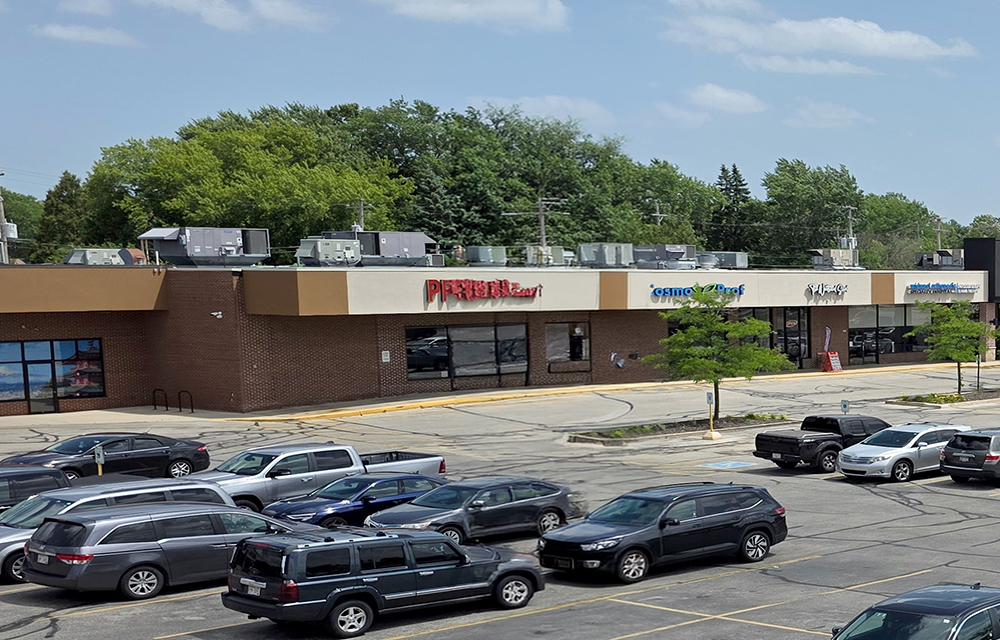
United Properties Corp. expands Wisconsin and Illinois retail presence adding 200,000 s/f
West Allis, WI United Properties Corp. completed two retail acquisitions totaling $27.4 million across Illinois and Wisconsin, adding 205,000 s/f of shopping center space to its portfolio


Quick Hits

Columns and Thought Leadership

Positive forecast for New York’s pro-housing push? - by Philip Butler
New York’s housing crisis remains a hot button topic despite growing consensus that varied and affordable housing is desperately needed statewide. Governor Hochul has recently introduced several initiatives to overcome N.Y.’s anti-housing

New York’s streets are full again, and the retail numbers prove it - by Noam Aziz
Walk down any New York block this year and you can feel it. The sidewalks are crowded, the storefronts are lit, and the energy that defines this city is back at full volume.

Hunt commercial real estate question and answer: Fortune 500 wisdom - by David Hunt
Yes, there are lessons to be learned from the largest companies in America when comes to managing your real estate. But the decision to buy or lease real estate may not be one of

A guide to finding the right NYC property management company - by Sanjay Gandhi
Being a small to midsize landlord in NYC is an increasingly demanding endeavor. From navigating complex regulations, increased compliance demands to dealing with tenant issues and remediating violations. It is wise to enlist the assistance of a partner, a professional
.gif)