



News:
Brokerage
Posted: June 18, 2019
Outside the Region: Hunt Real Estate Capital refinances student housing community
Winston-Salem, NC Hunt Real Estate Capital provided a $18.8 million Fannie Mae conventional loan to refinance a student housing property. The loan features a 10-year term with an initial three years of interest-only followed by seven years of amortization. Yield maintenance will apply during the first 114 months with a 1% prepayment, open thereafter. The borrower is Wake Forest Student Housing Associates, LLC.
Villages at Wake Forest is a purpose-built, rent-by-the-bed student housing property containing 270 bedrooms and a total 69 units, each with three or four bedrooms within 58, one- and two-story cottage-style multifamily buildings.
“The borrowers purchased Villages at Wake Forest in April of 2018 when the property consisted of 250 beds located within 64 units,” said Zach Casale, director at Hunt. “Since acquisition, the borrower constructed an additional five buildings that each contain four-bedroom units for a total of 20 additional beds that were added in January 2019.”
The property is near Wake Forest University and is fully occupied by students. Wake Forest has a three-year live-on campus requirement. Students who study abroad during the Fall semester can petition the school to allow them to live off-campus, which many of the subject’s residents take part in.
“Wake Forest currently does not have the capacity to accommodate seniors on-campus, making this property a much desired alternative for upperclassmen,” said Casale.
Property amenities include a pond, outdoor lounge area, and fire pit.
“The borrower is a repeat Hunt Real Estate Capital client as we completed a student housing deal with them in 2015. We were pleased to structure this loan to enable this repeat client to provide Wake Forest students with a quality, affordable housing option,” said Casale.
Tags:
Brokerage
MORE FROM Brokerage
United Properties Corp. expands Wisconsin and Illinois retail presence adding 200,000 s/f
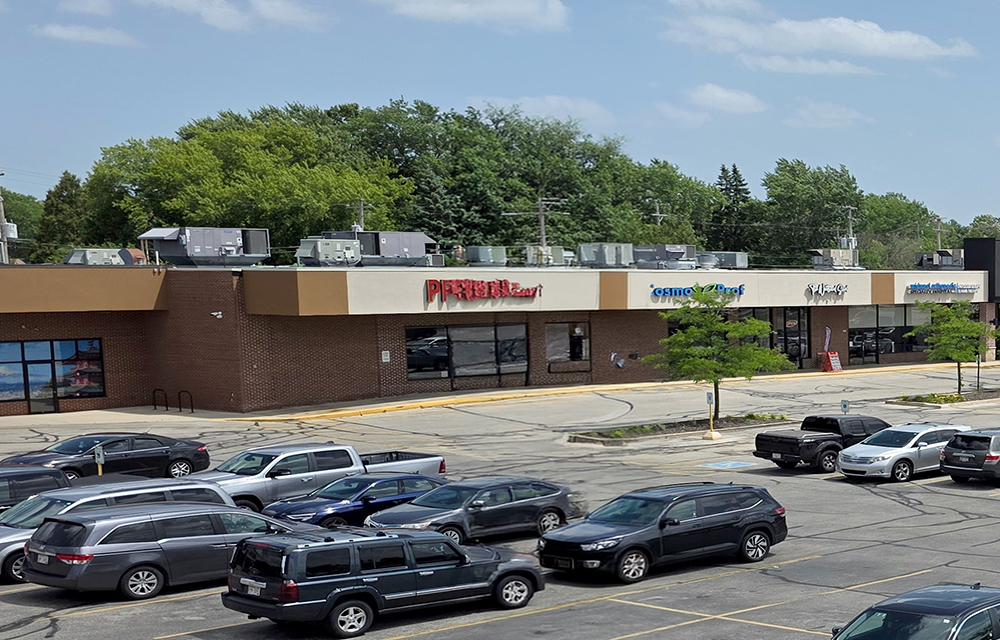
West Allis, WI United Properties Corp. completed two retail acquisitions totaling $27.4 million across Illinois and Wisconsin, adding 205,000 s/f of shopping center space to its portfolio






Quick Hits
 (2).gif)

Columns and Thought Leadership

New York’s streets are full again, and the retail numbers prove it - by Noam Aziz
Walk down any New York block this year and you can feel it. The sidewalks are crowded, the storefronts are lit, and the energy that defines this city is back at full volume.

Positive forecast for New York’s pro-housing push? - by Philip Butler
New York’s housing crisis remains a hot button topic despite growing consensus that varied and affordable housing is desperately needed statewide. Governor Hochul has recently introduced several initiatives to overcome N.Y.’s anti-housing

A guide to finding the right NYC property management company - by Sanjay Gandhi
Being a small to midsize landlord in NYC is an increasingly demanding endeavor. From navigating complex regulations, increased compliance demands to dealing with tenant issues and remediating violations. It is wise to enlist the assistance of a partner, a professional

Hunt commercial real estate question and answer: Fortune 500 wisdom - by David Hunt
Yes, there are lessons to be learned from the largest companies in America when comes to managing your real estate. But the decision to buy or lease real estate may not be one of
.gif)