



News:
Brokerage
Posted: July 2, 2019
NAS Investment Solutions acquires 55,000 s/f property in Syracuse
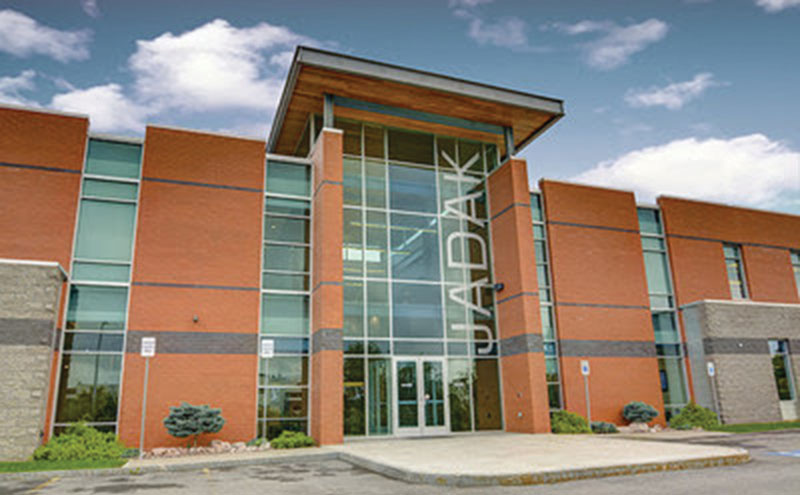 Syracuse, NY NAS Investment Solutions (NASIS) has acquired a class A, 55,000 s/f industrial office, manufacturing and warehouse property. Assuming responsibilities for asset management and property management for the new property is National Asset Services (NAS). The acquisition price was not disclosed.
Built in 2008 and expanded in 2015, the property consists of 40,000 s/f of office space and 15,000 s/f of light manufacturing and warehousing. The property is 100% leased to a NASDAQ publicly-listed company and occupied by the corporate headquarters of a technology company that serves as a major supplier to the healthcare market.
Located at 7279 William Barry Blvd., the property is within a 425-acre office/industrial park adjacent to the Syracuse Hancock Int’l. Airport.
“We’re excited to be part of the Syracuse real estate market. This property represents a real opportunity for clients to invest in an Upstate New York industrial property that is a true class-A facility, with a publicly traded, credit tenant. The region has experienced a strong increase in commercial real estate development and the Syracuse industrial market is performing consistently well, mirroring the growing demand for industrial product across the U.S.,” said Karen Kennedy, president and founder of NAS and NASIS. “As an experienced management company, NAS has a proven track record of maximizing returns for investors while providing superior service to property tenants.”
Tags:
Brokerage
MORE FROM Brokerage

Investment Property Realty Group closes $1.75 million sale of 1094 Hancock Street in Brooklyn
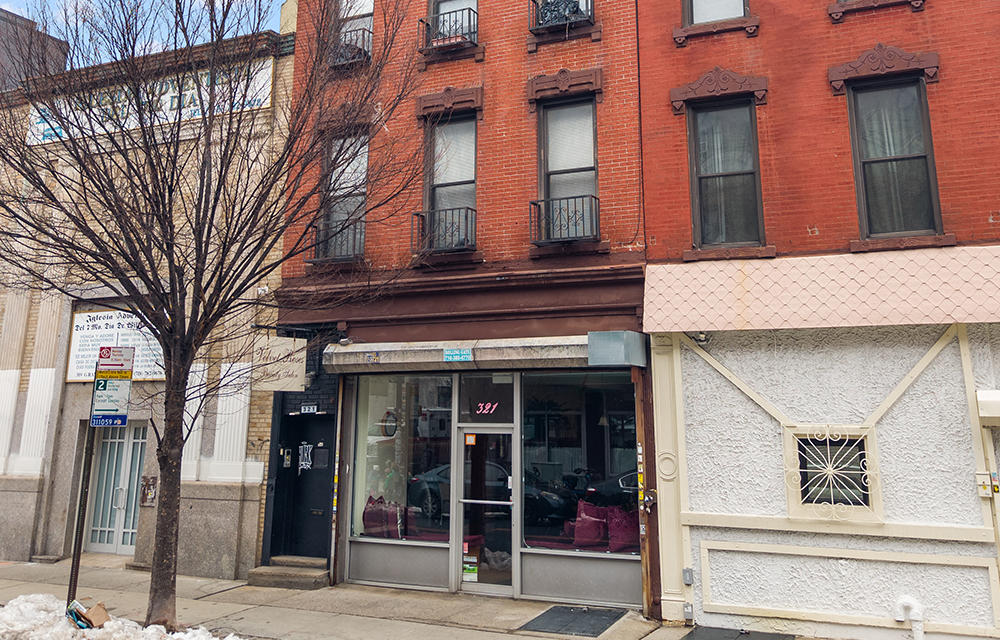
Brooklyn, NY Investment Property Realty Group (IPRG), a New York-based commercial investment firm, has closed the sale of 1094 Hancock St., a mixed-use building in the Bushwick section, for $1.75 million.




Quick Hits
 (2).gif)

Columns and Thought Leadership

Hunt CRE question and answer: Choosing a real estate agent - by David Hunt
First, we will only work with one agent exclusively. The primary reason is that we want that agent to legally represent our client’s interests. In New York State, a real estate agent has a fiduciary

A guide to finding the right NYC property management company - by Sanjay Gandhi
Being a small to midsize landlord in NYC is an increasingly demanding endeavor. From navigating complex regulations, increased compliance demands to dealing with tenant issues and remediating violations. It is wise to enlist the assistance of a partner, a professional

Hunt commercial real estate question and answer: Fortune 500 wisdom - by David Hunt
Yes, there are lessons to be learned from the largest companies in America when comes to managing your real estate. But the decision to buy or lease real estate may not be one of

New York’s streets are full again, and the retail numbers prove it - by Noam Aziz
Walk down any New York block this year and you can feel it. The sidewalks are crowded, the storefronts are lit, and the energy that defines this city is back at full volume.
.gif)