



News:
Brokerage
Posted: July 30, 2024
Maxim Capital, Sabal and GDSNY provide $50 million for 114 Crosby
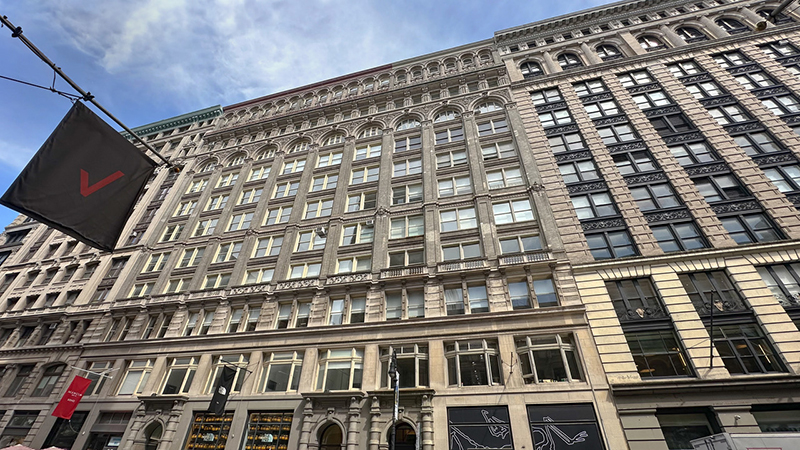
Manhattan, NY Maxim Capital Group, Sabal Investment Holdings, and GDS Brightstar, the lending platform of GDSNY, closed a $50 million loan for 114 Crosby St. (also known as 580 Bdwy.), a newly renovated boutique office building located in SoHo and redeveloped by Chelsfield Group, a London-based developer, and RAM Holdings.
Located between Prince St. and West Houston, 114 Crosby St. is a class-A property totaling 12 stories and 144,000 s/f. The all-electric building features renovated lobbies on both Crosby St. and Bdwy., 11,400 s/f office floor plates with 13-ft. ceiling heights, and a private roof terrace for office tenants with unobstructed views of the New York City skyline. More than half of the building has been leased since marketing launched last summer.
Additionally, the 14,400 s/f ground-floor and lower-level retail space has been leased to Arc’teryx, the outdoor apparel brand. In addition to the apparel shopping experience, the company will also soon be opening a flagship Arc’teryx coffee shop in the building.
“We continue to identify high-quality assets, sponsors and real estate opportunities in New York for our partners and investors,” said Michael Kirchmann, CEO of real estate firm GDSNY. “114 Crosby is an iconic SoHo cast-iron building in a triple-A location, and we are proud to be a part of its continued success.”
The financing provides capital for further tenant fit-outs and lease-up.
“We are believers in high-quality Manhattan office and retail assets and are pleased to be able to provide a flexible financing solution in conjunction with GDSNY and Maxim Capital Group for this exceptional asset,” said Tal Seder, managing director of opportunistic investments at Sabal Investment Holdings. “We continue to be active participants across the capital stack, especially during periods of credit dislocation, and will continue to seek opportunities to invest in well located commercial real estate assets.”
“Chelsfield and RAM have done an incredible job on the renovation and lease up of 114 Crosby,” said Jason Bordenick, partner at Maxim Capital Group. “While many lenders have completely written off office for new investment, Maxim will continue to participate in the NYC office recovery by backing well-designed products in desirable locations with high-quality sponsorship. We are pleased to close another loan with our partners at Sabal and GDSNY, and continue to seek new credit opportunities together.”
Tags:
Brokerage
MORE FROM Brokerage
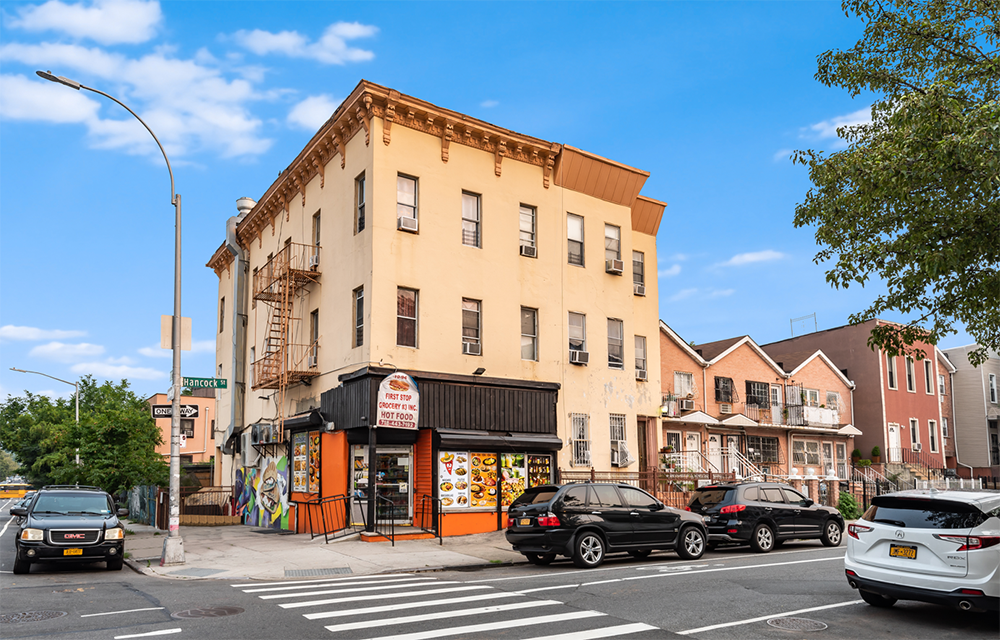
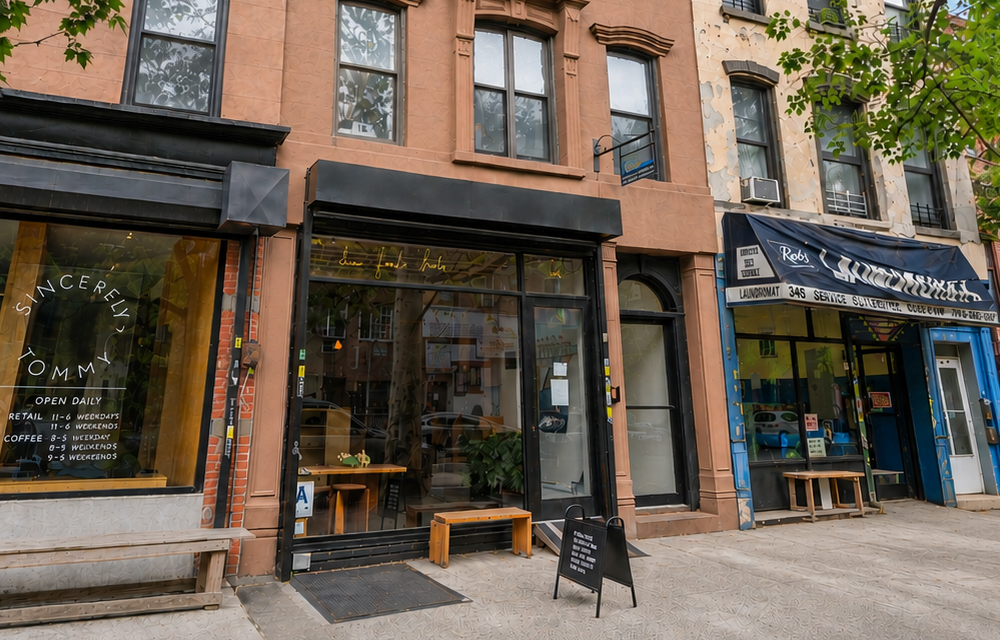
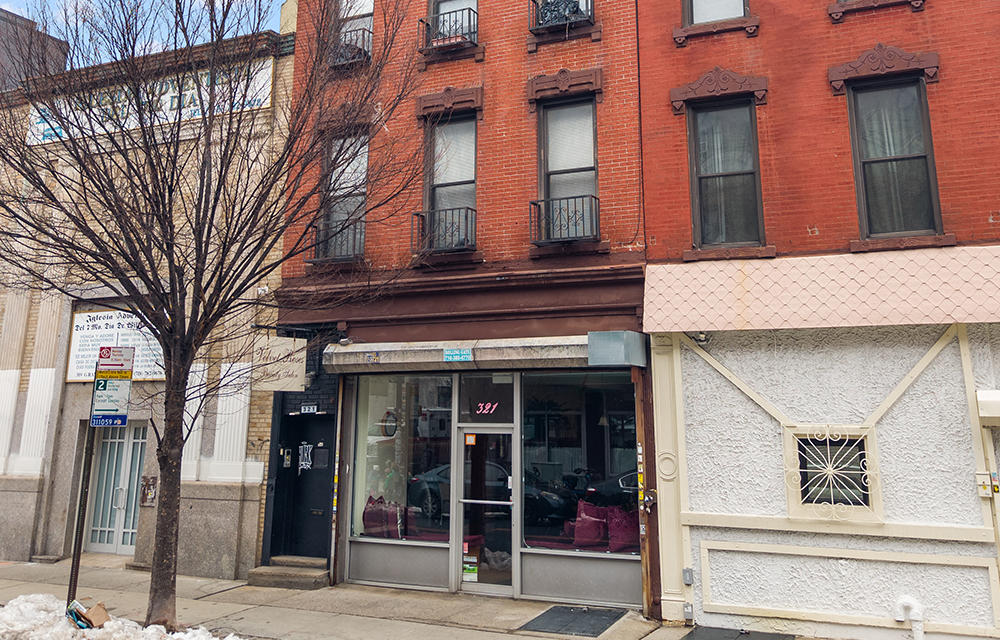
Investment Property Realty Group closes $1.75 million sale of 1094 Hancock Street in Brooklyn
Brooklyn, NY Investment Property Realty Group (IPRG), a New York-based commercial investment firm, has closed the sale of 1094 Hancock St., a mixed-use building in the Bushwick section, for $1.75 million.


Quick Hits

Columns and Thought Leadership

Hunt commercial real estate question and answer: Fortune 500 wisdom - by David Hunt
Yes, there are lessons to be learned from the largest companies in America when comes to managing your real estate. But the decision to buy or lease real estate may not be one of

Hunt CRE question and answer: Choosing a real estate agent - by David Hunt
First, we will only work with one agent exclusively. The primary reason is that we want that agent to legally represent our client’s interests. In New York State, a real estate agent has a fiduciary

A guide to finding the right NYC property management company - by Sanjay Gandhi
Being a small to midsize landlord in NYC is an increasingly demanding endeavor. From navigating complex regulations, increased compliance demands to dealing with tenant issues and remediating violations. It is wise to enlist the assistance of a partner, a professional

New York’s streets are full again, and the retail numbers prove it - by Noam Aziz
Walk down any New York block this year and you can feel it. The sidewalks are crowded, the storefronts are lit, and the energy that defines this city is back at full volume.
.gif)