



News:
Brokerage
Posted: August 24, 2015
Lebenstein, Wollens, Reichenstein, Stephens, Collins, and Dicker of DTZ rep Inwood House in sale of its Teen Learning Center at 320 East 82nd Street
DTZ, a global leader in commercial real estate services, announced today that its Not-for-Profit Specialty Practice Group and Capital Markets Division have assisted Inwood House in selling its 22,603 s/f Teen Learning Center located at 320 East 82nd St. in the Upper East Side. The transaction is a result of Inwood House's merger with The Children's Village and reflects the organization's strategic plan to expand the agency's scale and overall impact in communities and schools.
Inwood House was represented by DTZ's Not-for-Profit Specialty Practice Group which included David Lebenstein, senior managing director, Debora Wollens, senior vice president and Robair Reichenstein, managing director; and its capital markets team comprised of Graham Stephens, managing director, Michael Collins, associate vice president and Robert Dicker, associate. The buyer was represented by Adelaide Polsinelli, senior managing director and principal at Eastern Consolidated.
In January, Inwood House entered into a partnership with The Children's Village and will be known as Inwood House at the Children's Village. Services and residential living for pregnant and parenting teens will be relocated from the 82nd St. location to The Children Village's newest location on 126th St. Proceeds from the sale of the property will increase the agency's endowment support and further programs which serve 2,500 New York City youth through residential and foster family care, runaway and homeless youth and comprehensive school and community-based youth development programs.
320 East 82nd St. is a six-story property (with a basement), located between First and Second Aves. in the heart of the Upper East Side's Yorkville neighborhood. The building, originally constructed in 1915, has been home to Inwood House since 1964 - the organization has provided 24/7 care for approximately 30 pregnant and parenting teens at a time. The 22,603 s/f structure recently underwent a significant capital improvements program in 2009 and features high-ceilings, two outdoor terraces, large floor plates and large windows that provide an abundance of air flow and natural light.
Tags:
Brokerage
MORE FROM Brokerage
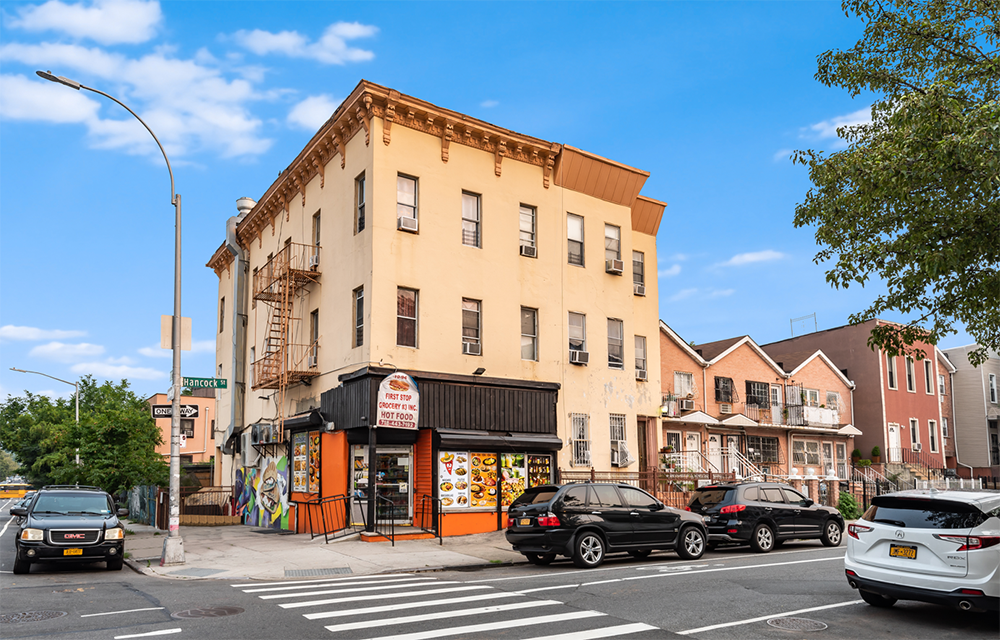
Investment Property Realty Group closes $1.75 million sale of 1094 Hancock Street in Brooklyn
Brooklyn, NY Investment Property Realty Group (IPRG), a New York-based commercial investment firm, has closed the sale of 1094 Hancock St., a mixed-use building in the Bushwick section, for $1.75 million.



Columns and Thought Leadership

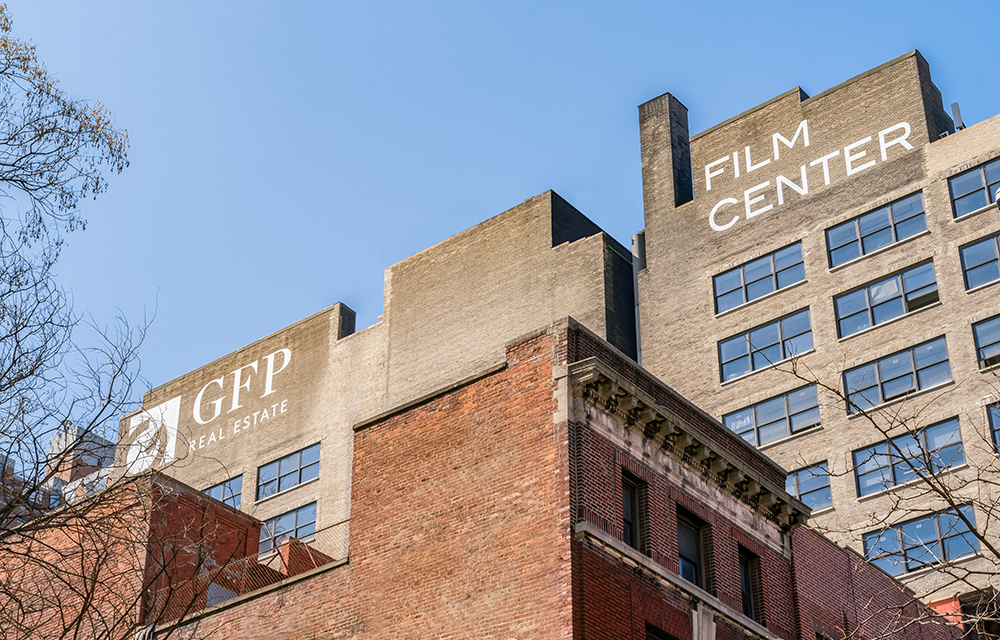
A guide to finding the right NYC property management company - by Sanjay Gandhi
Being a small to midsize landlord in NYC is an increasingly demanding endeavor. From navigating complex regulations, increased compliance demands to dealing with tenant issues and remediating violations. It is wise to enlist the assistance of a partner, a professional

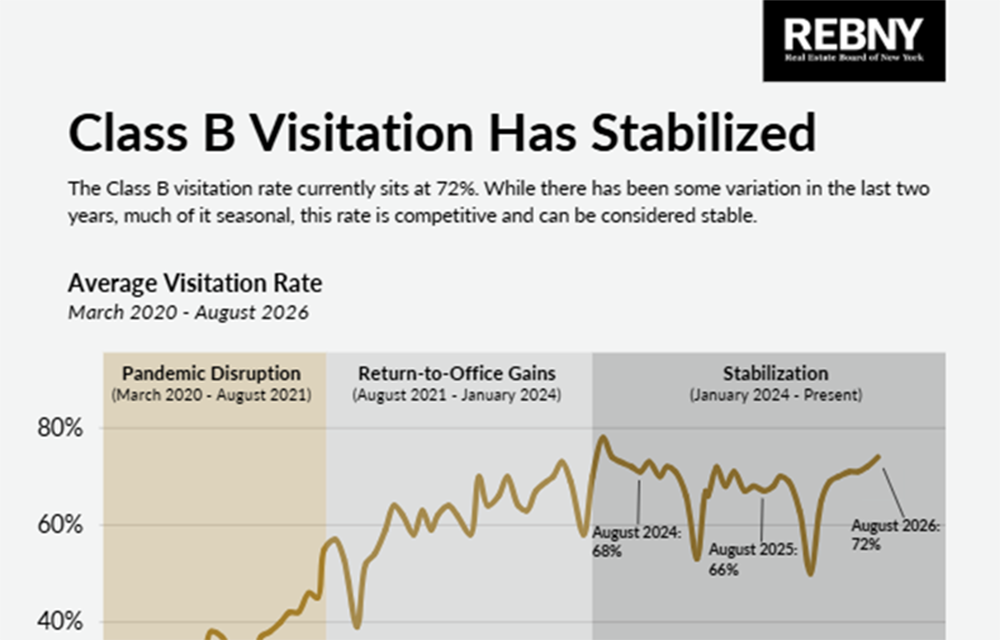
Hunt commercial real estate question and answer: Fortune 500 wisdom - by David Hunt
Yes, there are lessons to be learned from the largest companies in America when comes to managing your real estate. But the decision to buy or lease real estate may not be one of

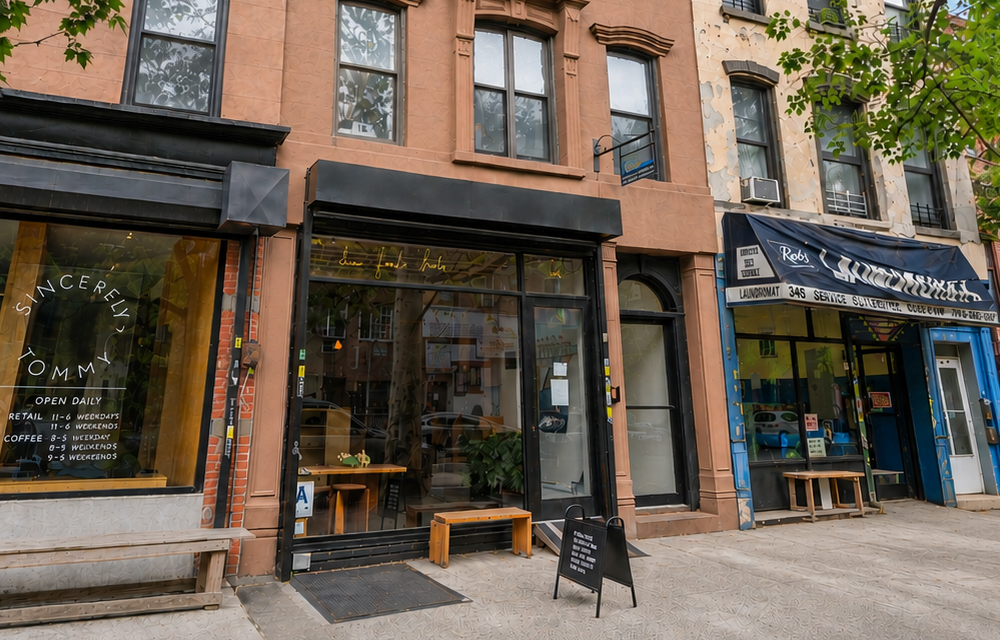
New York’s streets are full again, and the retail numbers prove it - by Noam Aziz
Walk down any New York block this year and you can feel it. The sidewalks are crowded, the storefronts are lit, and the energy that defines this city is back at full volume.

Hunt CRE question and answer: Choosing a real estate agent - by David Hunt
First, we will only work with one agent exclusively. The primary reason is that we want that agent to legally represent our client’s interests. In New York State, a real estate agent has a fiduciary
.gif)