



News:
Brokerage
Posted: August 29, 2008
Knowledge of easements when marketing property is essential
Today's marketplace is extremely competitive and our clients are extremely well educated in all aspects of the real estate transaction. In order to establish the highest and best use for the property you are marketing, your knowledge of easements is essential. Knowing what to do can often open the door to countless possibilities.
For example, knowledge of easements and what easements benefit or encumber a property may open the door to establishing a value far in excess of that which was originally projected.
First, let's cover the basics.
An easement is the limited right of use given by an owner to another party to use (usually) a portion of the owner's land. There are easements for ingress and egress, easements to utilize wells, easements to hook into a sewer or water lines, party wall easements and easements for electric or gas lines, just to name a few. An easement may either benefit or encumber a parcel of land. The benefited property is called the dominate estate and the encumbered property is called the servient estate. Certain obligations of the benefited party are often incorporated into the easement. For example, if a party is given the right of ingress and egress over a certain right of way located on the adjoining property, the benefited party may also have to assume the obligation of maintaining this right of way. Another example of this is when rights are given for the use of a neighbor's well. The party benefited by the well easement may have to assume all or a percentage of the maintenance fees for the well.
At times mutual easements are created. An example of a mutual easement is a driveway easement, wherein two adjoining property owners have the mutual right to use a common driveway for ingress and egress to their respective garages.
It is extremely important to have an accurate search done on a property to determine if there are any easements which encumber the property and just as importantly, to determine if there are any easements benefiting the property.
Wouldn't you want to know if the parcel you are marketing has a 50 ft. right of way to the road in the back which gives you an automatic access out, increasing the possible lot subdivision to 49 from 24 and cutting the cost of paving the road to almost half? You bet you would. And wouldn't you also want to know if 40 years ago your parcel was given rights to use a certain private beach? Music to my ears.
On the flip side, you would also want to know if the parcel you were listing had a 50 ft. right of way running right down the middle of it or if the property had a utility easement that would interfere with the placement of a warehouse.
Reviewing the deed of record will not give you an accurate picture of what easements if any cross your property. If the deed does not recite a right of way or easement, and a right of way or easement was given by any of the parties in the chain of title that right of way or easement still exists. Â
To accurately determine whether or not an easement or right of way encumbers the property in question, the chain of title must be established. Further, each and every conveyance that was made by any party in the chain of title must be read to see if an easement or right of way was given which encumbers the property. Â Â
A standard title search will not disclose all possible easements that may benefit a parcel of land. A special "grantee search" or "block and lot search" must be ordered to establish if any easements were conveyed by neighboring property owners which benefit your chain of title. Easements benefiting your property may increase its value and therefore should be explored at the earliest possible time.
Easements and right of ways are extremely important when determining the highest and best use of real estate in today's marketplace. Bring your expertise in these matters to the forefront to best serve your client.
Nan Gill is the president of Gill Abstract, Goshen, N.Y. and New York, N.Y.
Tags:
Brokerage
MORE FROM Brokerage
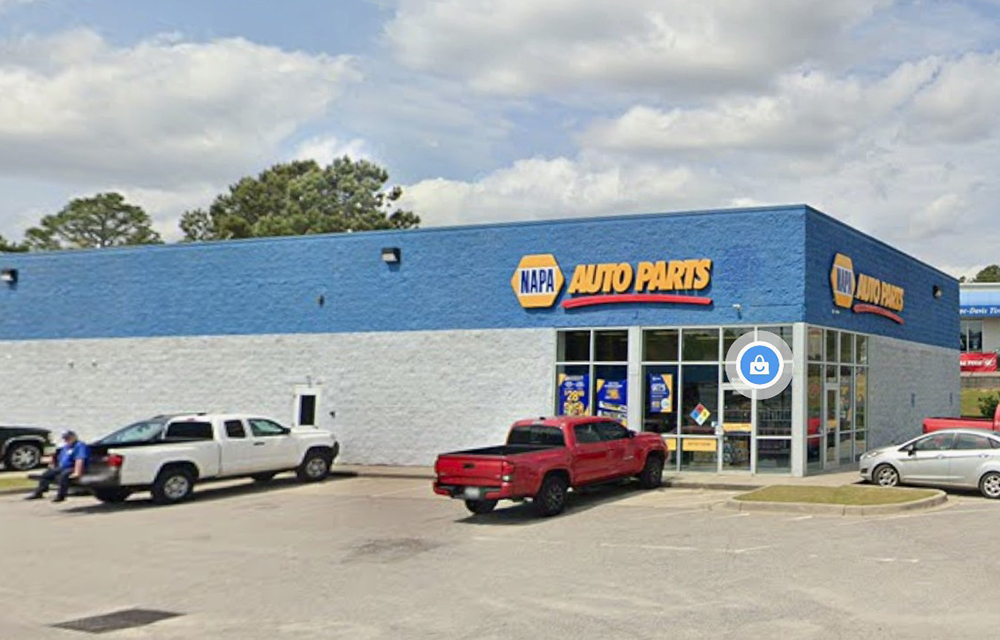
Marcus & Millichap brokers $15 million sale of multi-state NAPA Auto Parts portfolio
Palmetto, FL Marcus & Millichap brokered the sale of a nine-property NAPA Auto Parts portfolio for $15,025,104. The portfolio includes properties in Palmetto, FL.;





Quick Hits
 (2).gif)

Columns and Thought Leadership

New York’s streets are full again, and the retail numbers prove it - by Noam Aziz
Walk down any New York block this year and you can feel it. The sidewalks are crowded, the storefronts are lit, and the energy that defines this city is back at full volume.

Hunt commercial real estate question and answer: Fortune 500 wisdom - by David Hunt
Yes, there are lessons to be learned from the largest companies in America when comes to managing your real estate. But the decision to buy or lease real estate may not be one of

Positive forecast for New York’s pro-housing push? - by Philip Butler
New York’s housing crisis remains a hot button topic despite growing consensus that varied and affordable housing is desperately needed statewide. Governor Hochul has recently introduced several initiatives to overcome N.Y.’s anti-housing

A guide to finding the right NYC property management company - by Sanjay Gandhi
Being a small to midsize landlord in NYC is an increasingly demanding endeavor. From navigating complex regulations, increased compliance demands to dealing with tenant issues and remediating violations. It is wise to enlist the assistance of a partner, a professional
.gif)