



News:
Brokerage
Posted: February 27, 2012
January 17th NPCR BOA Expo attracts over 200 attendees
More than 200 people gathered for the New Partners for Community Revitalization (NPCR) 4th Annual Brownfields Forum, January 17th. The event included a BOA Expo designed to link municipalities and communities participating in New York's Brownfield Opportunity Areas (BOA) program with developers, architects, planners and others involved in community redevelopment.
The forum featured presentations from seven BOA communities spread across New York State from Long Island to Buffalo, resource people from several state agencies including the Department of State (DOS), the Department of Environmental Conservation (DEC), and Housing and Community Renewal (HCR), conventional and community lenders, and environmental risk experts. It also included a presentation by the New York State Energy Research and Development Authority (NYSERDA) and an energetic discussion by former regulators and lawyers about needed and pending legislation on brownfield tax credits.
More than 100 communities have entered the BOA program, a state-funded brownfield reclamation and community revitalization program administered by the New York Department of State. Plans are developed for neighborhoods plagued by multiple contaminated sites (brownfields), and developers are encouraged to build consistent with a community's own vision of its future. Known as the "area-wide" approach to community revitalization, the BOA program, which was developed in New York State, has become a national model of economic revitalization in communities struggling with multiple brownfields, disinvestment and decay for the Environmental Protection Agency (EPA).
In a keynote address to the Forum, EPA Assistant Administrator Mathy Stanislaus said, "We at the EPA congratulate you on your success in leading the use of the community-led area-wide planning approach to spark brownfields cleanups and neighborhood renewal. I strongly believe that area-wide planning is a key tool to revitalize economically distressed communities and America's downtowns. We see New York's Brownfield Opportunity Areas program as a national model for the type of area-wide strategies that other cities, states, and community-based organizations should consider as they seek to promote public health and economic
revitalization in their own cities and towns."
"This was the largest gathering ever of BOA program participants and those from the development side whose business it will be to help implement community redevelopment plans," said NPCR Executive Director Jody Kass. "We were gratified by the enthusiasm of all those who were there, by the information that was exchanged, and by the quality of the speakers who participated."
Next up for the New York City-based group is a February 16th morning roundtable and networking event focused on Brownfield Financial Incentives. This facilitated conversation will take place from 9:00am to noon at First American Title Insurance on 3rd Avenue in Manhattan. For information about the workshop, costs and registration, go to www.npcr.net.
"New York needs robust financial incentives to encourage the cleanup and re-use of brownfield sites to rebuild historic and once vibrant downtowns and industrial areas," Kass explained.
New York's Brownfield Tax Credits (BTCs), which have been criticized for failing to target areas most in need are scheduled to sunset at the end of March, 2015. The Department of Environmental Conservation reports that it takes on average over 3 years to complete the regulatory program. "As a result, few new projects will be able to secure the requisite sign-offs in time," Kass said, "leaving the state with virtually no site-specific brownfield financial incentives."
The discussion, to be facilitated by Allen J. Zerkin, Adjunct Professor at NYU's Wagner Graduate School of Public Service, will clarify the current status of New York's brownfield tax credits and identify potential financial incentive options for the future.
"We will encourage all participants to share their ideas at the Roundtable," Kass concluded.
About New Partners for Community Revitalization
NPCR is a 501(c)(3) nonprofit organization working to revitalize New York's low- and moderate-income neighborhoods and communities of color that are disproportionately impacted by brownfield sites. www.npcr.net. NPCR is widely recognized as being instrumental in the conceptualization and creation of New York's area-wide Brownfields Opportunity Areas (BOA) program. Since 2003, when the New York State Brownfields Law was passed, NPCR has worked to secure resources for communities participating in the BOA program, including $32.4 million awarded to 110 communities statewide; and to strengthen government policies for the implementation of area-wide strategies. NPCR is active on local, state and national brownfield policy issues.
Tags:
Brokerage
MORE FROM Brokerage
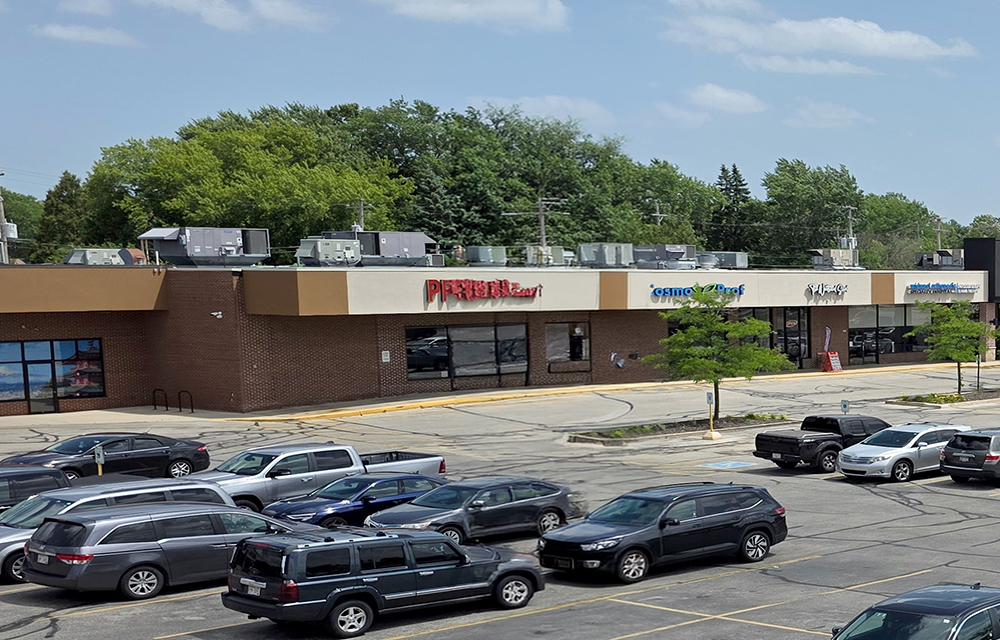
United Properties Corp. expands Wisconsin and Illinois retail presence adding 200,000 s/f
West Allis, WI United Properties Corp. completed two retail acquisitions totaling $27.4 million across Illinois and Wisconsin, adding 205,000 s/f of shopping center space to its portfolio


Quick Hits
 (2).gif)

Columns and Thought Leadership

Hunt commercial real estate question and answer: Fortune 500 wisdom - by David Hunt
Yes, there are lessons to be learned from the largest companies in America when comes to managing your real estate. But the decision to buy or lease real estate may not be one of

A guide to finding the right NYC property management company - by Sanjay Gandhi
Being a small to midsize landlord in NYC is an increasingly demanding endeavor. From navigating complex regulations, increased compliance demands to dealing with tenant issues and remediating violations. It is wise to enlist the assistance of a partner, a professional

New York’s streets are full again, and the retail numbers prove it - by Noam Aziz
Walk down any New York block this year and you can feel it. The sidewalks are crowded, the storefronts are lit, and the energy that defines this city is back at full volume.

Positive forecast for New York’s pro-housing push? - by Philip Butler
New York’s housing crisis remains a hot button topic despite growing consensus that varied and affordable housing is desperately needed statewide. Governor Hochul has recently introduced several initiatives to overcome N.Y.’s anti-housing
.gif)