



News:
Brokerage
Posted: December 9, 2025
Commercial classroom: Back to Basics: The Ideal Leasing Process - by Edward Smith Jr.

Leases are detailed documents that should address all possible situations that may arise in the landlord-tenant relationship. The lease defines who is responsible for what and who pays for what.
The Leasing process begins with taking a complete listing. Too often the size of the space and the base rent are the primary focus, and other important details are not initially discussed. The ideal situation is to determine all the issues important to the landlord at the time of listing. Think of this as the landlords “wish list”.
Other questions need to be asked to get the complete picture of what the landlord wants? Are there other expenses (additional rent) the landlord may be passing through to the tenants (i.e. utilities, insurance, common-area-maintenance charges and/or real estate taxes)?
Office buildings have common areas and tenants may be asked to pay for their proportionate share of that space, in addition to what space they occupy. Leases may need to define net (usable) square footage, rentable or gross (billable) square footage and loss factors. Retail and Industrial space is measured differently but we still need to determine if there will be additional rent pass throughs. Only after these issues are explored can we determine what the tenants real cost of the space will actually be.
What type of lease does the landlord want? The two extremes are: a gross lease where the landlord collects high rent and pays all the operating expenses themselves. And a triple net lease (NNN) where the tenants rent is low, but they pay all the operating expenses. Plus, there are many other types including net leases, flat leases, step-up leases, land leases, green leases and for retail percentage leases, and more.
How long is the initial lease term? How much will the rent go up each year? Will the landlord permit tenant to sub-lease or assign the lease?
What else is on the landlord's “wish list”? How much security is desired? Is assigned parking included, sign privileges, permitted uses, restricted uses, is a buildout or workletter possible, is the landlord offering a tenant Improvement Allowance?
Similarly new customers (potential tenants) need to be interviewed to determine the details that will be important to them in their lease, effectively establishing the tenants “wish list”. The best place to do this is at their existing location, where you can “see, touch and feel” their business activity. What’s more important; rent cost or building image? What is your budget? Are loading facilities required? How many employees do you have, parking requirements? When do you need to move by? Future plans, where will your company be in three years, will you need expansion possibilities? Will you want options to renew or extend the lease term, or an option to buy the building?
We must also recognize that many of our clients may only do a real estate transaction every 5 or 10 years when their lease expires. We as professionals often have to guide and educate as to what lease issues they should be thinking about.
The ideal negotiation process needs to have all the issues “on the table” to be considered. The easiest way to do this is to assist both the landlord and the tenant to develop a complete “wish list” of desired lease terms. You may only be representing one side in the transaction, in that case get the “wish list” from the Broker representing the other party. Comparing the lists usually shows an initial agreement on many issues, requiring negotiation or “trade offs” on the rest.
Our job in the leasing process is to negotiate all the issues and conclude with a Letter of Intent (LOI) representing a summary of the agreed lease terms. It is best for both the landlord and tenant to have legal representation in this process especially if complicated issues such as Personal Guarantees are being required. Generally, the landlords attorney will use the LOI to create the actual lease agreement (contract).
Difficulties with closing lease transactions occur when items are not negotiated and arise at the point of lease signing. For example leasing space in a large office building, one may have assumed there would be assigned parking for employees. An initial discussion of the issue at closing could prompt a response like’ “Sure you can have assigned parking spaces; they cost $50 per month.” This may have been avoided with earlier discussion based on “parking” being on the “wish lists”.
To negotiate in your client behalf help them create a definitive list of all lease issues that will be important to them. Also consider what other issues the other side may have. Help develop a position on all issues, a lease is often a result of “trade off’s”. A landlord may not be willing to do a $10,000 buildout for a five year lease, but maybe if the tenant agreed to sign a ten year lease they would.
Be sure to read the lease yourself once the attorney has completed the document based on the agreed LOI terms before your client or customer signs it. Most leases have language that basically says that signing the lease supersedes any other documents (the LOI) or agreements. So, if something was inadvertently left out or changed, once the lease is signed, they are bound by the language in the lease.
Edward Smit Jr., CREI, ITI, CIC, GREEN, MICP, CNS, e-PRO, AHWD is a Commercial and Investment Real Estate Continuing Education Instructor, Corporate and Private Trainer, Speaker, Author, Broker and Consultant.
Tags:
Brokerage
Thought Leadership
MORE FROM Brokerage
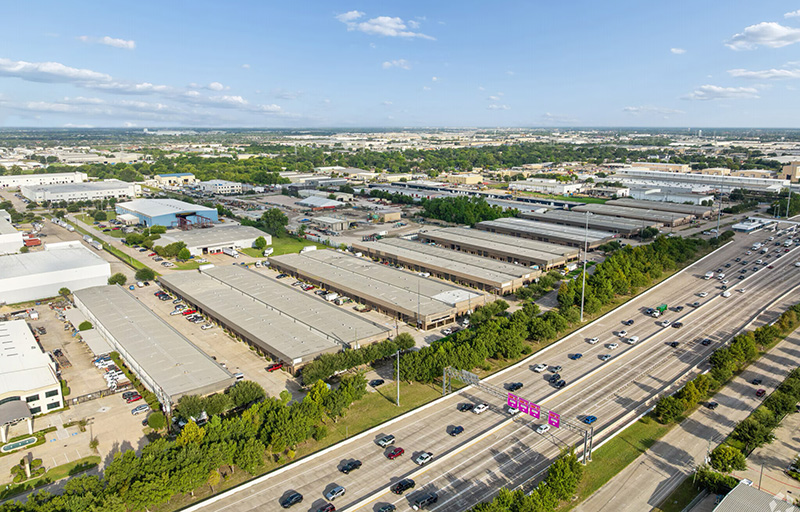
Simi Capital enters Texas with acquisition of 359,000 s/f small-bay industrial portfolio in Northwest Houston
Houston, TX Simi Capital acquired a three-property, 359,000 s/f small-bay industrial portfolio. The transaction, completed in a joint venture with Decker Capital, marks Simi




Quick Hits

Columns and Thought Leadership

Hunt commercial real estate question and answer: Fortune 500 wisdom - by David Hunt
Yes, there are lessons to be learned from the largest companies in America when comes to managing your real estate. But the decision to buy or lease real estate may not be one of

Hunt CRE question and answer: Choosing a real estate agent - by David Hunt
First, we will only work with one agent exclusively. The primary reason is that we want that agent to legally represent our client’s interests. In New York State, a real estate agent has a fiduciary

New York’s streets are full again, and the retail numbers prove it - by Noam Aziz
Walk down any New York block this year and you can feel it. The sidewalks are crowded, the storefronts are lit, and the energy that defines this city is back at full volume.

A guide to finding the right NYC property management company - by Sanjay Gandhi
Being a small to midsize landlord in NYC is an increasingly demanding endeavor. From navigating complex regulations, increased compliance demands to dealing with tenant issues and remediating violations. It is wise to enlist the assistance of a partner, a professional
.gif)