



News:
Brokerage
Posted: July 10, 2009
It pays to examine your property tax bill
Now more than ever before, it is important to closely examine your property tax bill, whether commercial or residential, to make sure it is correct. It may even be possible to get your tax assessment reduced if the property is located in an area where real estate prices have fallen.
Most real property owners don't take the time to look closely at their bills. They just assume that the bill is correct because it comes from the local tax authority, and they simply pay it by the due date without asking any questions.
If you see yourself in that description, this may be the year to pay close attention. Keep in mind, though, that the taxes need to be paid in a timely manner even if you believe the amount is wrong. Nonpayment can result in penalties and interest or even a tax lien against the property, which ultimately could affect your creditworthiness.
There are a few common mistakes to look for when reviewing the tax bill. The most obvious is clerical in nature. With so many properties on the tax rolls and so much data to enter, there are bound to be some mistakes. For example, numbers simply may be transposed. For example, the size of a residential property may be listed incorrectly, say 12,000 s/f rather than 2,000 s/f. Other times, a capital improvement that never was made may be on the books.
For commercial property, it is also important to make sure the class of the building is reported correctly on the tax invoice. A class B building may be misclassified as a class A, for instance, subjecting it to a higher tax rate.
The next part of the review is comparing the property's tax assessment to that of other, similar properties to be sure the assessment is equitable. In most jurisdictions, it is the taxpayer's responsibility to supply information that supports his or her claim. A recent appraisal or the asking or sales price of similar properties generally is enough.
Finally, be sure that any available exemptions and credits, such as NYS' STAR exemption, are reflected in the tax bill.
As long as your questions are raised in a timely manner and in accordance with the proper procedure, it is possible to challenge the assessment. Requests for a review must be in writing, identifying the property in question and stating the grounds for the review. For commercial property, the property owner or his or her attorney must sign the request. In the case of a partnership or corporation, the request must be signed by a general partner of a partnership, an officer of a corporation, or an attorney for the organization. For residential property, the only requirement generally is that the request is filed within a certain time period (usually 30 days) after receipt of the tax bill.
If the property is reassessed and it is determined that the original assessment was too high, the bill will be reduced. If the reassessment occurs after taxes were paid, the overpaid amount will be refunded.
If the assessor determines that the original assessment was correct, there may be recourse through an appeals process. An unsuccessful appeal may result in a court proceeding, but that can be a costly option. Before taking this route, it's a good idea to assess whether it is a cost-effective move; the savings can be less than the cost of an attorney and court costs.
Should you have questions about your tax bill, consult your certified public accountant.
Robert Gilman, CPA, is a partner at Anchin, Block and Anchin LLP, New York, N.Y.
Tags:
Brokerage
MORE FROM Brokerage
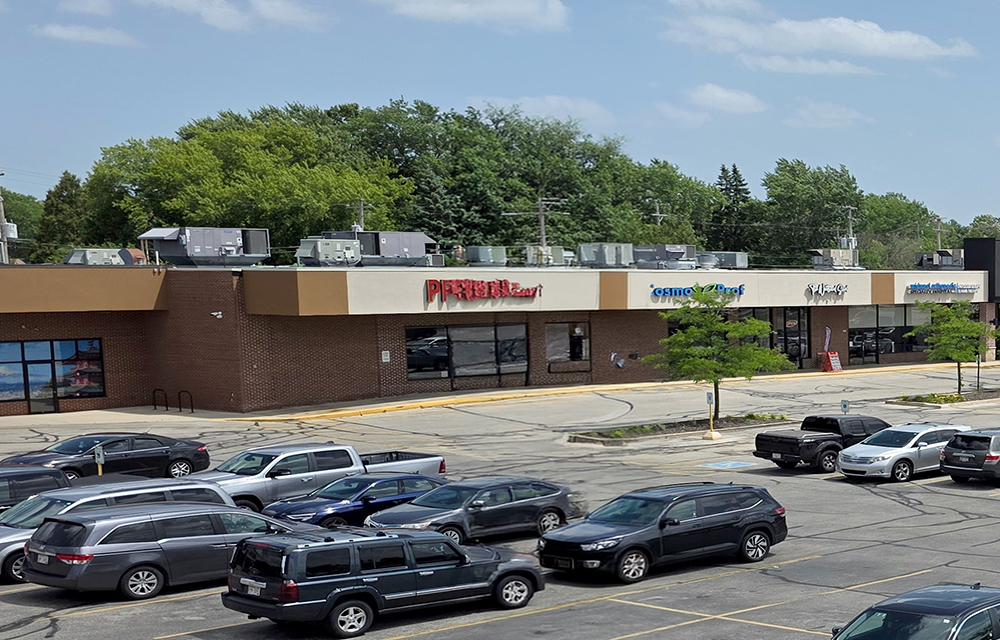
United Properties Corp. expands Wisconsin and Illinois retail presence adding 200,000 s/f
West Allis, WI United Properties Corp. completed two retail acquisitions totaling $27.4 million across Illinois and Wisconsin, adding 205,000 s/f of shopping center space to its portfolio





Quick Hits

Columns and Thought Leadership

Positive forecast for New York’s pro-housing push? - by Philip Butler
New York’s housing crisis remains a hot button topic despite growing consensus that varied and affordable housing is desperately needed statewide. Governor Hochul has recently introduced several initiatives to overcome N.Y.’s anti-housing

A guide to finding the right NYC property management company - by Sanjay Gandhi
Being a small to midsize landlord in NYC is an increasingly demanding endeavor. From navigating complex regulations, increased compliance demands to dealing with tenant issues and remediating violations. It is wise to enlist the assistance of a partner, a professional

Hunt commercial real estate question and answer: Fortune 500 wisdom - by David Hunt
Yes, there are lessons to be learned from the largest companies in America when comes to managing your real estate. But the decision to buy or lease real estate may not be one of

New York’s streets are full again, and the retail numbers prove it - by Noam Aziz
Walk down any New York block this year and you can feel it. The sidewalks are crowded, the storefronts are lit, and the energy that defines this city is back at full volume.
.gif)