



News:
Brokerage
Posted: February 11, 2008
GNYDC provides $1.5m for food products distributor
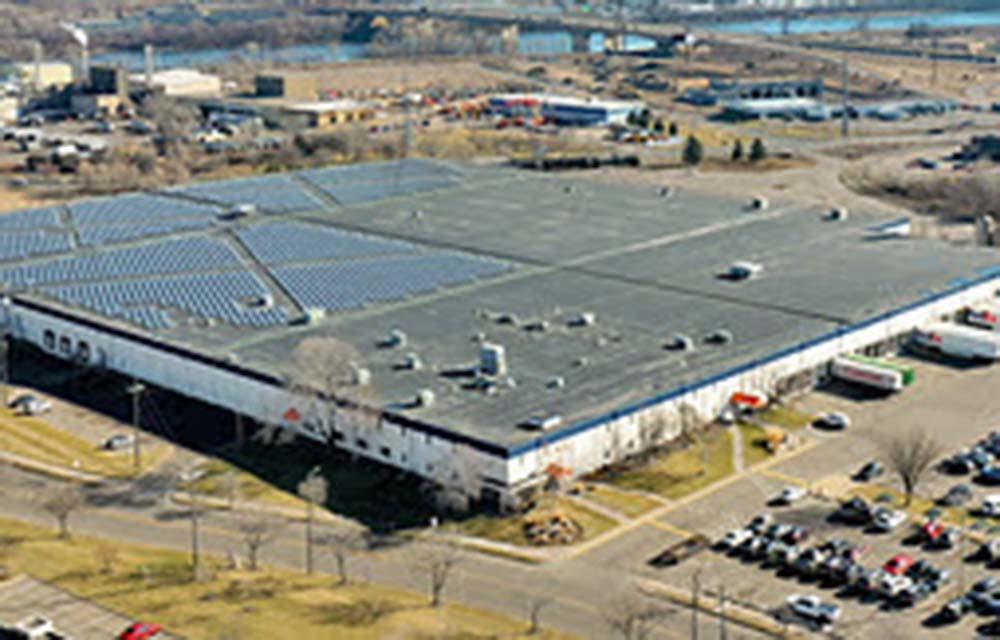
Regional Integrated Logistics Inc., in business since 1996, is expanding its food warehouse/distribution business. Occupying a unique niche in the industry, Regional warehouses and distributes general merchandise and food products for other companies in need of warehouse & transportation outsourcing. As its customer's needs have changed and grown, so have Regional's services. When the local General Motors plant needed storage space for engines, Regional stepped up and started warehousing engines. Recently, Regional responded to GM's needs by starting a testing service for the engines. And, this additional line of business has now expanded to test services for other customers. Other prominent customers include Dupont, Delphi and Molson. With 68 full time employees and a 355,000 s/f distribution/warehouse facility in the city, Regional is poised for explosive growth. Due to the new lines of business and growth in existing services, the company is planning to add 25-32 new jobs in the community, in areas such as customer service, quality inspection and product repackaging.
Regional's owner is Robert Bingel, local to the region with a background in the warehouse/trucking industry. He has modernized Regional's operations and diversified its products, services and customer base to create a solid foundation for growth.
The expansion of Regional is being financed by GE Commercial Finance with subordinate financing provided by the New Market Loan Fund of Greater New York Development Co. (GNYDC). Regional received $1.5 million from GNYDC and the total funding package was $5.5 million. Don DiMartini, VP lending GNYDC, said, "Regional is an innovative small business, constantly listening to its customers and prospects and adapting its products and services to the needs of the industries it serves. With that kind of flexibility and the visionary leadership of Robert Bingel, Regional will go far and be a major player in the economy of Buffalo."
Tags:
Brokerage
MORE FROM Brokerage
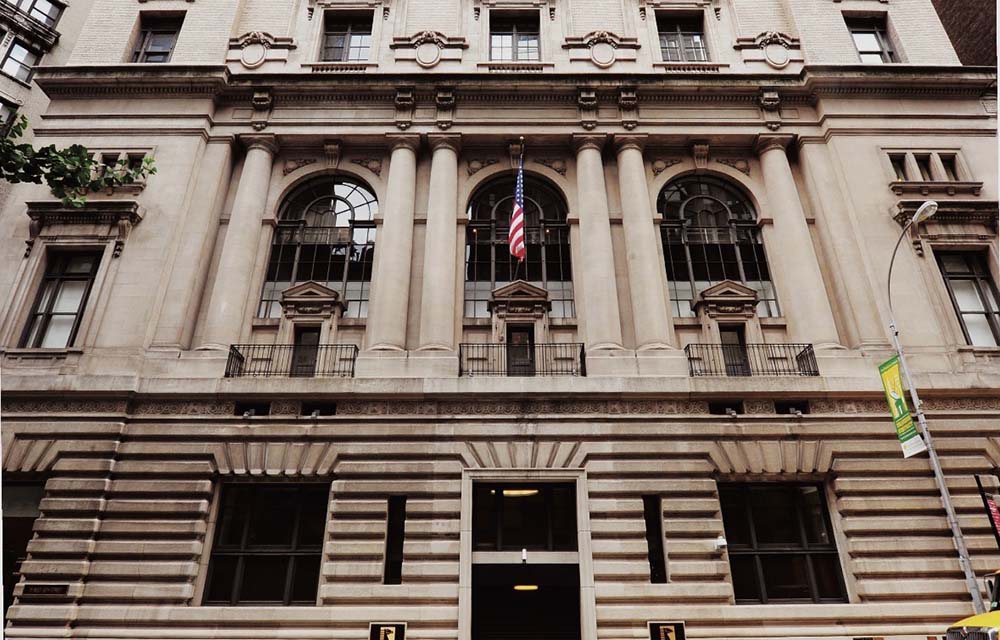
Century Cricket Centre to open first U.S. location near Bryant Park in 14,000 s/f lease
Manhattan, NY Century Cricket Centre, an Australian-backed indoor cricket and sports-tech concept, will open its first U.S. location in a 14,000 s/f at 25 W. 39th St. near Bryant Park following a 15-year lease arranged by Lee




Quick Hits

Columns and Thought Leadership

Artificial intelligence in lending - by Lindsay Mesh Lotito
Artificial intelligence (AI) is beginning to help transform lending by enhancing decision-making, improving risk management and streamlining operations. With AI-powered tools that analyze vast amounts of data, lenders are able to assess borrower creditworthiness more accurately and efficiently. AI can evaluate a wide range of factors,

New York’s streets are full again, and the retail numbers prove it - by Noam Aziz
Walk down any New York block this year and you can feel it. The sidewalks are crowded, the storefronts are lit, and the energy that defines this city is back at full volume.

Hunt commercial real estate question and answer: The total cost of relocation - by David Hunt
You have a right to be concerned. I am always surprised at the companies that will negotiate the price of their new facility down to the last dollar, without thoroughly analyzing their

The death of the generic offering memorandum: What buyers expect in 2025 - by Kimberly Zar Bloorian
There was a time when an offering memorandum (OM) was pretty bare bones, some photos, a few bullet points on income, and a rent roll thrown in at the back. That used to get the job done. Not anymore. In 2025, buyers are sharper, faster, and more selective. They’re looking
.gif)
September Promotion
