



News:
Brokerage
Posted: December 30, 2025
Global Holdings secures new 15,356 s/f lease with Upstart at the Nomad Tower, 1250 Broadway
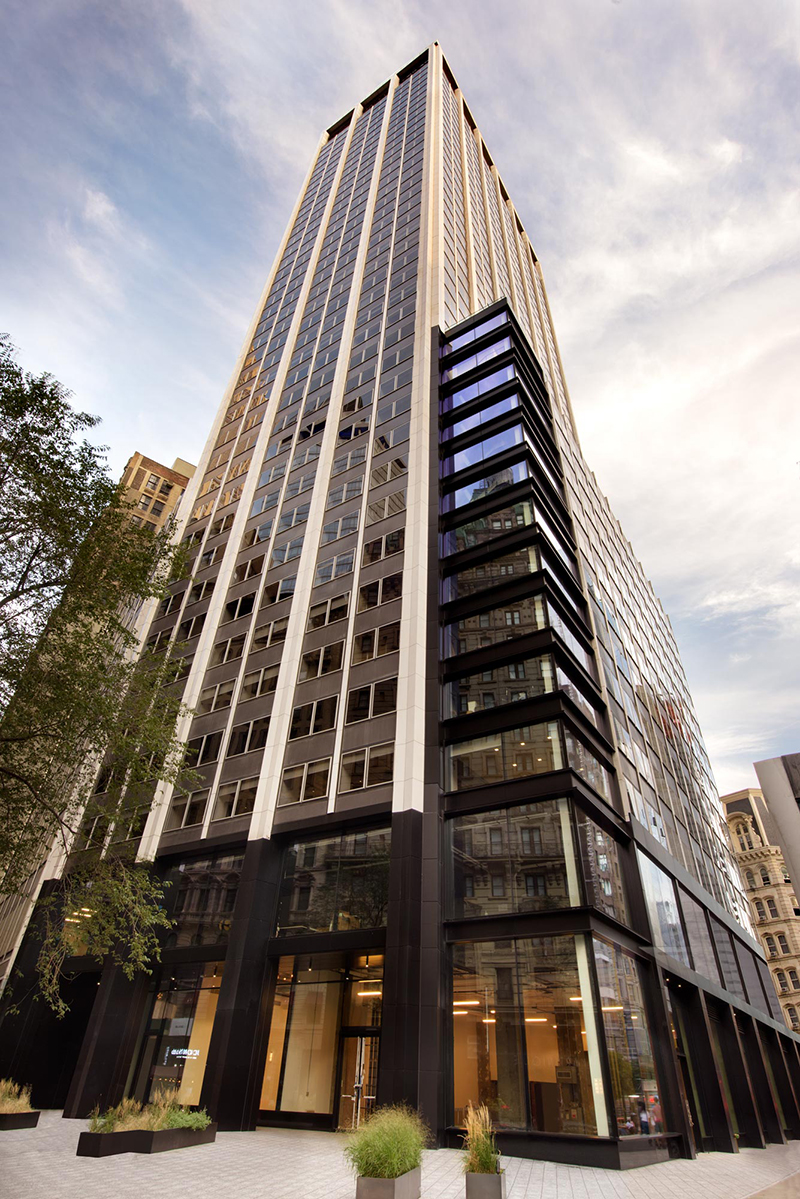
Manhattan, NY According to Global Holdings, Upstart, a lending platform distinguished by its usage of AI models, has signed a seven-year lease for the entire 33rd floor at Nomad Tower. The new lease comprises 15,356 s/f within the 39-story office tower, located at 1250 Bdwy. in Midtown South.
“Upstart reflects the kind of dynamic, forward-thinking spirit we aim to foster at Nomad Tower, recognizing the importance of a prime location and workplace that attracts innovators,” said Craig Panzirer, senior vice president, director of leasing at Global Holdings Management Group. “Our modern spaces and premium amenities are designed to provide the flexibility and sophistication that leading technology companies value most.”
Upstart, an AI-driven lending marketplace, has transformed a longstanding challenge in consumer lending into a modern, data-driven solution. Optimizing advanced and predictive AI, Upstart eliminates the complexities traditionally associated with borrowing. Through its proprietary underwriting model and clouds, Upstart offers a more effective lending experience designed to reimagine the process for all customers.
Located in Nomad north of Madison Square Park, Nomad Tower is a glass-and-steel tower that encompasses an entire block front on Bdwy. between 31st and 32nd Sts. Designed by Shreve Lamb & Harmon, the building offers large floor plates with views on the tower floors.
In 2019, Global Holdings completed a $55 million renovation of the building including a new lobby, a 90-person amphitheater for tenants, and a large open staircase leading down to the lower level amenities space. The amenities space features tenant-exclusive spaces, including a lounge with pool table, arcade games, conference rooms, a modern fitness facility, showers and locker rooms, and a bike storage room.
Upstart joins a distinguished roster of tenants at Nomad Tower including Elastic, Datavant, Gunderson Dettmer, and Zillow. With the signing of this lease, the building is now 92% leased.
Scott Brown of Newmark represented the tenant. The landlord was represented by Panzirer and Alex Radmin of Global Holdings, and Paul Glickman, Benjamin Bass, Kristen Morgan, Harrison Potter, and Diana Biasotti of JLL.
Tags:
Brokerage
New York City
MORE FROM Brokerage
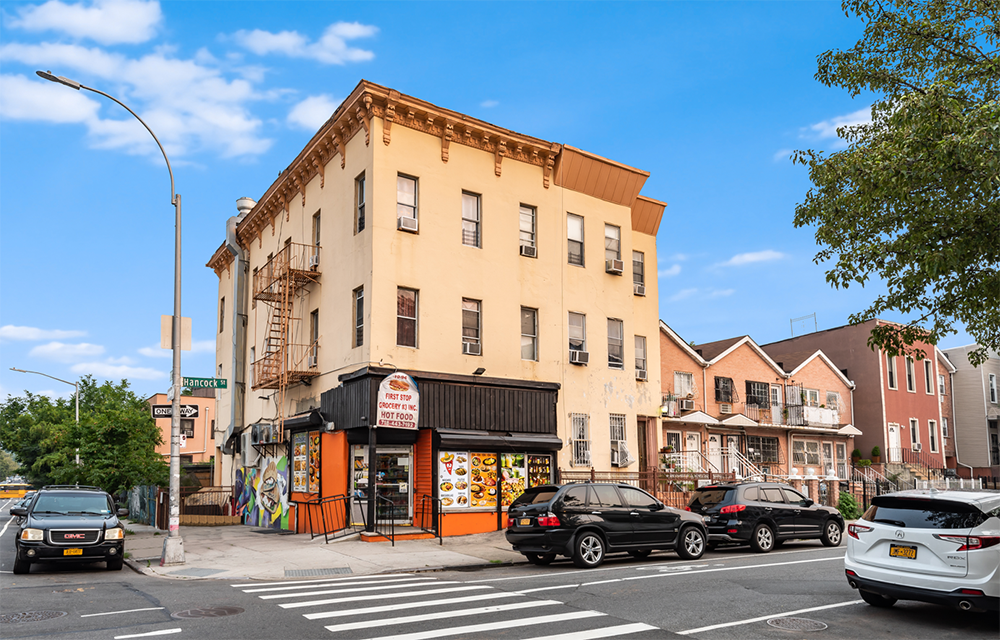
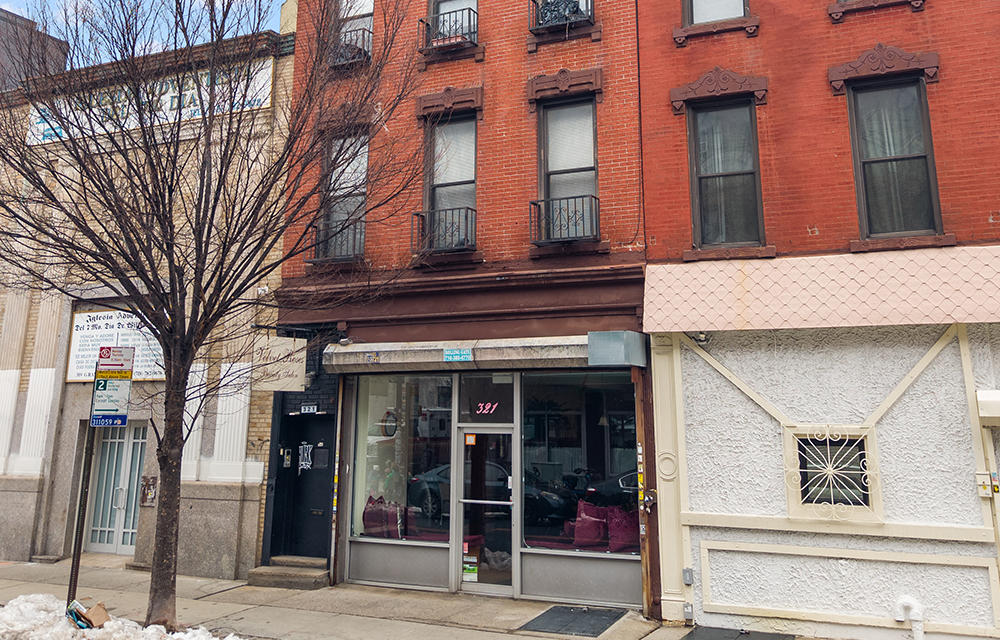
Investment Property Realty Group closes $1.75 million sale of 1094 Hancock Street in Brooklyn
Brooklyn, NY Investment Property Realty Group (IPRG), a New York-based commercial investment firm, has closed the sale of 1094 Hancock St., a mixed-use building in the Bushwick section, for $1.75 million.


 (2).gif)

Columns and Thought Leadership

New York’s streets are full again, and the retail numbers prove it - by Noam Aziz
Walk down any New York block this year and you can feel it. The sidewalks are crowded, the storefronts are lit, and the energy that defines this city is back at full volume.

Hunt commercial real estate question and answer: Fortune 500 wisdom - by David Hunt
Yes, there are lessons to be learned from the largest companies in America when comes to managing your real estate. But the decision to buy or lease real estate may not be one of

Hunt CRE question and answer: Choosing a real estate agent - by David Hunt
First, we will only work with one agent exclusively. The primary reason is that we want that agent to legally represent our client’s interests. In New York State, a real estate agent has a fiduciary

A guide to finding the right NYC property management company - by Sanjay Gandhi
Being a small to midsize landlord in NYC is an increasingly demanding endeavor. From navigating complex regulations, increased compliance demands to dealing with tenant issues and remediating violations. It is wise to enlist the assistance of a partner, a professional
.gif)