



News:
Brokerage
Posted: April 25, 2011
Downtown Albany is Tech Valley's City Center: Innovation, collaboration, convenience and culture
In his outstanding book "Triumph Of The City" author Edward Gleaser explains that "Technology innovators who could easily connect electronically pay for some of America's most expensive real estate to reap the benefits of being able to meet in person"...in cities! This "face to face " phenomenon has led to transformational growth for cities like Austin, Tex. and San Jose, Calif. and is starting to be felt in Downtown Albany, N.Y.
With the explosive growth of the nanotechnology, semiconductor and renewable energy sectors in the Albany Region the forces of innovation, collaboration, convenience, culture and a stock of quality office space are driving these technology leaders and other corporate tenants to think about the Downtown core. Much like San Jose is the center of Silicon Valley and Austin is the heart of Silicon Hills, Albany's central business district is establishing itself as the face of New York's Tech Valley.
In recent months there has been a surge of inquiries and requests by major corporate tenants who are looking to locate, expand or even consolidate their presence in Downtown Albany, including such prominent technology firms as Microsoft and ESRI, which recently signed leases. For many businesses who are trying to establish themselves regionally and to capitalize upon Tech Valley's impending growth, the Downtown market is a logical place to start their search because of its location and availability of quality built-out office space. Rather than taking on the challenges of an uncertain and time consuming approval process and the costs associated with constructing a new suburban office building, the Downtown Albany market offers class A and class B office space with virtually turn-key options.
Downtown however is about more than just great office space, it is appealing on many levels. Its compact setting offers potential business opportunities of meeting clients and prospects on the street or at one of the many dining establishments, it also facilitates the exchange of ideas and promotes a sense of community. Companies like the higher productivity of the urban based employee versus those working in suburbia. One study shows suburban workers lose at least 50 hours a year driving to various services during the workday because they are not readily available. Urban economists constantly espouse the virtues of efficiency and sustainability that are already in place in the Downtown core.
Another large factor making Downtown Albany more attractive is that a demand for residential housing along with government incentives is spurring developers to construct new condominiums and to revitalize antiquated office and apartment buildings into classic loft living spaces. Professionals of all ages desire an urban environment where they can live and walk around the corner to their work address. With the rooftops that are coming to Downtown the next stop on the commercial real estate bandwagon is retail. The opportunities for retail enterprises abound. So as gas prices continue to press higher the demand for this vibrant live/work/shop/play urban center becomes greater.
As you walk the streets, ride in elevators, frequent the restaurants, the new wave of local and international professionals are starting to be seen, heard and felt in the city's economy. This movement is only going to get bigger and better and Downtown Albany is in the center of its path! The time is right for Downtown as the economy exits the great recession, as jobs are being created, as a new proactive governor tries to improve the business climate, as State Street undergoes a major renovation, as new residential neighborhoods take shape, as many technology ventures start up, and as many premier corporations bring their business here, Downtown Albany is entering the spring season, literally and figuratively.
Thomas Mertens is associate broker for Omni Development Company, Inc., Albany, N.Y.
Tags:
Brokerage
MORE FROM Brokerage
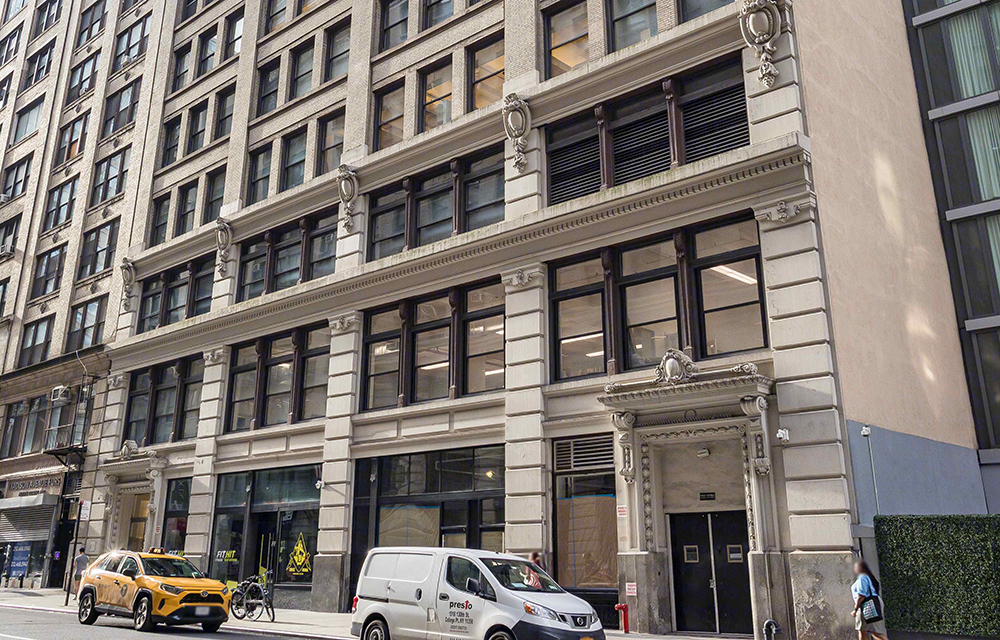
Koeppel Rosen inks 16-year 33,783 s/f lease for coworking firm Nomadworks at 122 West 27th St.
Manhattan, NY According to Koeppel Rosen LLC, leasing and management agent for the Rosen family portfolio, Nomadworks has signed a new 16-year, two-month lease totaling 33,783 s/f at 122 West



Quick Hits
 (2).gif)

Columns and Thought Leadership

Hunt CRE question and answer: Choosing a real estate agent - by David Hunt
First, we will only work with one agent exclusively. The primary reason is that we want that agent to legally represent our client’s interests. In New York State, a real estate agent has a fiduciary

New York’s streets are full again, and the retail numbers prove it - by Noam Aziz
Walk down any New York block this year and you can feel it. The sidewalks are crowded, the storefronts are lit, and the energy that defines this city is back at full volume.

Hunt commercial real estate question and answer: Fortune 500 wisdom - by David Hunt
Yes, there are lessons to be learned from the largest companies in America when comes to managing your real estate. But the decision to buy or lease real estate may not be one of

The art of investing in real estate - by Thomas Donovan
Real estate investing is as much an art as it is a skill. No one can time the market, or the factors that drive it, perfectly. Location, zoning, size, transportation, and neighborhood density give you a baseline for
.gif)