



News:
Brokerage
Posted: June 27, 2011
Demand for downtown living shows double-digit growth
The Downtown Albany Business Improvement District (Albany BID) have announced the results of an update to the Residential Market Potential for the Downtown Albany Study Area. Originally conducted in 2002 with updates following in 2006, the 2011 version shows a 53% growth in demand for downtown living options.
The recently completed residential market study for downtown Albany was carried out by Zimmerman Volk Associates, a firm specializing in urban residential market analysis.
The report concludes that overall demand for downtown living grew from approximately 2,440 households in 2006 to 3,750 households in 2011. Demand for rental housing has increased to 1,980 apartments, up 83% from a demand for 1,080 units in 2006, and the desire for condominiums increased 47% to 1,106 units, up from 790 condos in 2006.
"We were very pleased to see that the study reinforced what we knew to be true-that there is an increase in desire for downtown living," said Georgette Steffens, Downtown Albany BID executive director. The report found that 97% of the apartments in downtown Albany are occupied and articulated that the downtown market can fill between 134 and 287 new units per year.
Several developments are currently underway to capitalize upon this demand, including 15 new studio and one-bedroom apartments at 4-6 Sheridan Ave. and 24 luxury condominiums at 17 Chapel St. Other projects are in the predevelopment stage including 111 North Pine St. which will include nine luxury 1-bedroom apartments.
"We are really excited to be involved with this project," said Keith Holmes of Centurion Realty Group, the company developing 111 North Pine. "The city has really helped us move the project forward through their comprehensive incentive package and efficient review process."
"We outlined downtown residential development as a top priority in the Capitalize Albany plan, and we have been putting programs and incentives into place to encourage additional units, particularly conversions of underused buildings in our downtown corridor," said Mayor Jennings. "The results of this survey provide further confirmation of what our actual rental market is showing us - all of our downtown apartments now are 100 percent occupied and more and more people are looking for high quality units. Together with our local lending partners, we must continue to help the development world keep up with this demand."
The report identified two demographics that were most likely to locate in downtown Albany: younger singles and couples and empty nesters.
Jeff Killeen, chairman and CEO of GlobalSpec, chose to live downtown over a suburban location. "I didn't want to look at or end up in another 'cookie cutter' apartment complex that had little charm, few interesting amenities, and no curb appeal. In downtown you are living in a beautiful historic building where every room is literally a conversation piece."
Tags:
Brokerage
MORE FROM Brokerage
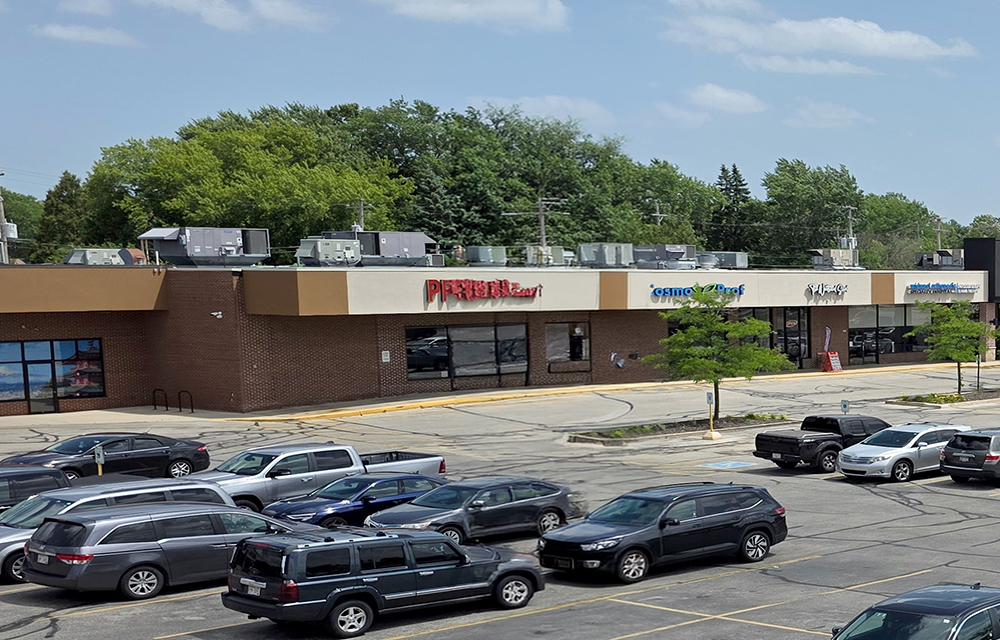
United Properties Corp. expands Wisconsin and Illinois retail presence adding 200,000 s/f
West Allis, WI United Properties Corp. completed two retail acquisitions totaling $27.4 million across Illinois and Wisconsin, adding 205,000 s/f of shopping center space to its portfolio



 (2).gif)

Columns and Thought Leadership

Positive forecast for New York’s pro-housing push? - by Philip Butler
New York’s housing crisis remains a hot button topic despite growing consensus that varied and affordable housing is desperately needed statewide. Governor Hochul has recently introduced several initiatives to overcome N.Y.’s anti-housing

A guide to finding the right NYC property management company - by Sanjay Gandhi
Being a small to midsize landlord in NYC is an increasingly demanding endeavor. From navigating complex regulations, increased compliance demands to dealing with tenant issues and remediating violations. It is wise to enlist the assistance of a partner, a professional

Hunt commercial real estate question and answer: Fortune 500 wisdom - by David Hunt
Yes, there are lessons to be learned from the largest companies in America when comes to managing your real estate. But the decision to buy or lease real estate may not be one of

New York’s streets are full again, and the retail numbers prove it - by Noam Aziz
Walk down any New York block this year and you can feel it. The sidewalks are crowded, the storefronts are lit, and the energy that defines this city is back at full volume.
.gif)