


 (2).gif)
News:
Spotlight Content
Posted: February 22, 2010
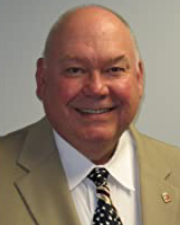
Decade Answers: Mark Lauzon
Mark Lauzon is a senior director at Cushman & Wakefield, Inc., New York, N.Y.
What was one of your corporate or career highlights of the decade?
My most memorable career experience of the decade seems like only yesterday-my election, by my peers, as chairman 2000 of the Young Men's/Women's Real Estate Association (YM/WREA) in New York City. The election was an honor and certainly made the year a memorable one for me. There were a number of outstanding speakers at our luncheons during the course of the year; One such speaker was Jerome Hauer, the then director of the city's office of emergency management. I remain involved with YMWREA and as a member on the membership committee, as well as continue to meet and work with members on real estate transactions throughout Manhattan. Any organization with the word "Young" in its title that keeps me as a member is a good thing.
Tags:
Spotlight Content
MORE FROM Spotlight Content
The commercial classroom: 1031 tax-deferred exchanges - by Edwad Smith Jr.
The sale of real estate may trigger capital gains taxes on the net profits of that sale. These taxes may be deferred by participating in a 1031 tax exchange, in essence, by purchasing property(s) to replace the


.png)



Columns and Thought Leadership

CRE Guide Featured Company: Merritt Environmental Consulting Corp.
Merritt Environmental Consulting Corp. (MECC) was established in June of 2009 after being part of a larger engineering firm for almost 20 years. The focus of the company is to assist lending institutions, attorneys, real estate investors, and property owners with environmental concerns. Today, MECC has offices in New York, Florida, and Vermont and has grown into a regional consulting firm serving clients along the East Coast.

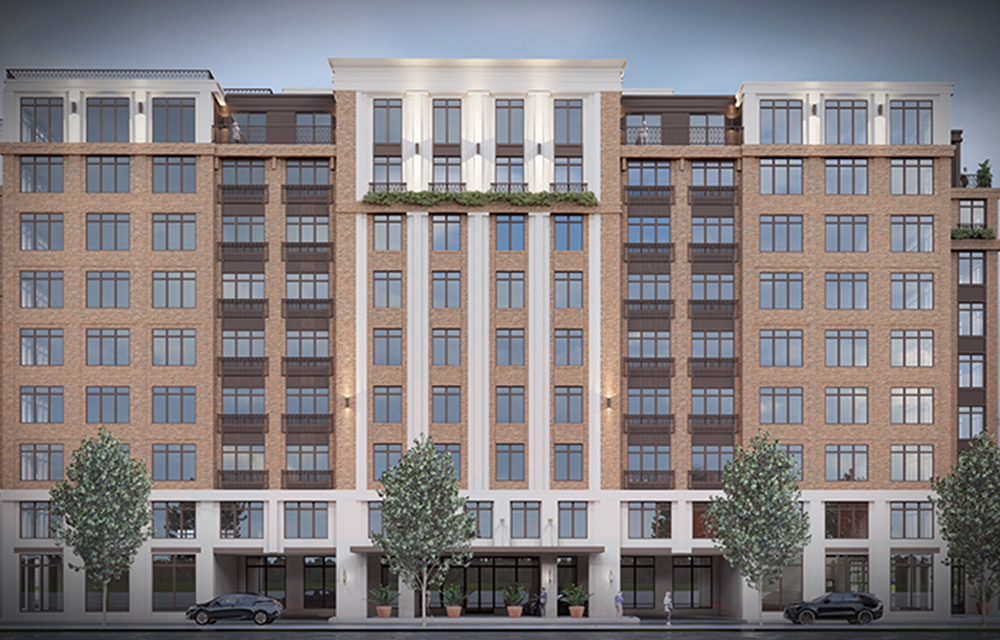
From vacancy to vitality: How adaptive reuse is reshaping Long Island’s CRE landscape - by Andrea Tsoukalas Curto
Adaptive reuse has become one of the most important conversations in commercial real estate today. Long Island has a large inventory of aging retail, office and industrial

2026 Developing Long Island: ERG Commercial Real Estate launches its new Retail Leasing division
North Hempstead, NY ERG Retail Leasing is the dedicated leasing division of ERG Commercial Real Estate, an established full-service commercial real estate brokerage for over 35 years.

2026 Developing Queens: Long Island Board of Realtors advances commercial growth and advocacy in Queens
The Long Island Board of Realtors (LIBOR) Commercial Network continues to play a key role in advancing opportunities and strengthening the commercial real estate landscape across Queens. Through targeted programming and global outreach