



News:
Brokerage
Posted: July 11, 2011
Crisis communications: Are you ready for unexpected issues?
The Anthony Weiner affair focused attention on a branch of public relations known as "crisis communications." Most situations are not as dire, but sometimes you have to face the media and you need to be prepared.
It could be about alleged building violations or tenant complaints, a lawsuit, arrest or indictment, a financial reversal or default or some other incident or issue. If the unexpected happens, are you ready?
Rather than ignore or reject calls from journalists, determine what they are seeking. It is possible they may be acting on a rumor, and you need to clear the air. The call could be about a property you do not own or an incident that has no relation to you. Your PR person, lawyer, or an articulate person in your organization needs to clarify the situation. That is usually enough to stop the story or at least your implication in it.
But sometimes a journalist is on to something and you need to make sure the facts are correct and your reputation is protected. Consult a lawyer immediately, but be aware you may also have to deal with the media too.
Prepare a statement, even if it is for you only. Explain your actions truthfully, and correct misperceptions the media or public may have. Consider an apology, if you feel your behavior warrants it, and describe how you are turning things around.
There is a second chance in public relations if you are willing to do what you have to do.
Harry Zlokower is president of Zlokower Company, New York, N.Y.
Tags:
Brokerage
MORE FROM Brokerage
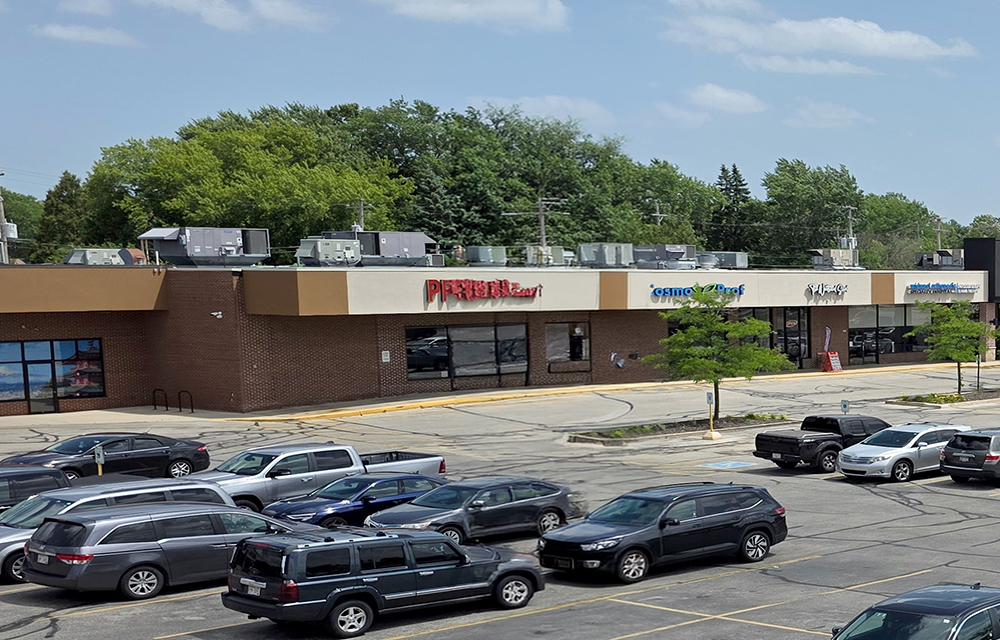
United Properties Corp. expands Wisconsin and Illinois retail presence adding 200,000 s/f
West Allis, WI United Properties Corp. completed two retail acquisitions totaling $27.4 million across Illinois and Wisconsin, adding 205,000 s/f of shopping center space to its portfolio





Quick Hits
 (2).gif)

Columns and Thought Leadership

Hunt commercial real estate question and answer: Fortune 500 wisdom - by David Hunt
Yes, there are lessons to be learned from the largest companies in America when comes to managing your real estate. But the decision to buy or lease real estate may not be one of

A guide to finding the right NYC property management company - by Sanjay Gandhi
Being a small to midsize landlord in NYC is an increasingly demanding endeavor. From navigating complex regulations, increased compliance demands to dealing with tenant issues and remediating violations. It is wise to enlist the assistance of a partner, a professional

Positive forecast for New York’s pro-housing push? - by Philip Butler
New York’s housing crisis remains a hot button topic despite growing consensus that varied and affordable housing is desperately needed statewide. Governor Hochul has recently introduced several initiatives to overcome N.Y.’s anti-housing

New York’s streets are full again, and the retail numbers prove it - by Noam Aziz
Walk down any New York block this year and you can feel it. The sidewalks are crowded, the storefronts are lit, and the energy that defines this city is back at full volume.
.gif)