



News:
Brokerage
Posted: December 11, 2012
Cornerstone Group completes third apartment community in 2012: 25-unit El Camino Estates phase II in Rochester
Cornerstone Group, Ltd. celebrated a ribbon cutting for El Camino Estates Phase II, among local dignitaries, its third apartment project completed in 2012 in Monroe County.
Cornerstone, with its partner of El Camino Estates, Ibero-Development Corp., noted the completion of their second 25-unit scattered site project in the city's northeast section. In 2010, the two firms did complete the first phase of the redevelopment effort. The 25 single family homes have served as a catalyst for other improvements and enhancements to that section of the city.
The El Camino Trail, a walking trail that goes through several neighborhoods in the city, owners and landlords fixing up their homes, together with the installation of a park at the corner of Conkey and Clifford, has served to change the face of the neighborhood.
The units are 3- and 4-bedroom homes which are rented to income qualified residents. This project was one of the housing developments awarded funding by the Finger Lakes Regional Economic Development Council in late 2011.
Earlier this year, Cornerstone completed the redevelopment of the 104-unit Fairport Apartments on Whitney Rd. in Perinton. This $15 million renovation project took place while moving tenants out of their apartments in four phases, for eight weeks, as personal lifts, washers and dryers and a complete makeover of individual apartments took place. The transformation of the project included the renovation and expansion of community space in a separate building. There were 12 different funding sources to finance the costs of the redevelopment. This project was honored by the NYS Association for Affordable Housing as the 2012 Project of the Year (Upstate).
The third project completed by Cornerstone was in conjunction with CDS Monarch, Inc. for a 45-unit senior project which was developed utilizing HUD 202 funds and low income housing tax credits, among other funding sources. The project is on Holt Rd. in Webster. This project is 100% occupied.
Currently under construction for Cornerstone is a senior housing development in Henrietta, which is being developed with Episcopal SeniorLife Communities.
The project uses a myriad of funding sources which is typical for the low to moderate income housing communities developed by Cornerstone. This project off of East Henrietta Rd. is slated for completion in June 2013.
Tags:
Brokerage
MORE FROM Brokerage
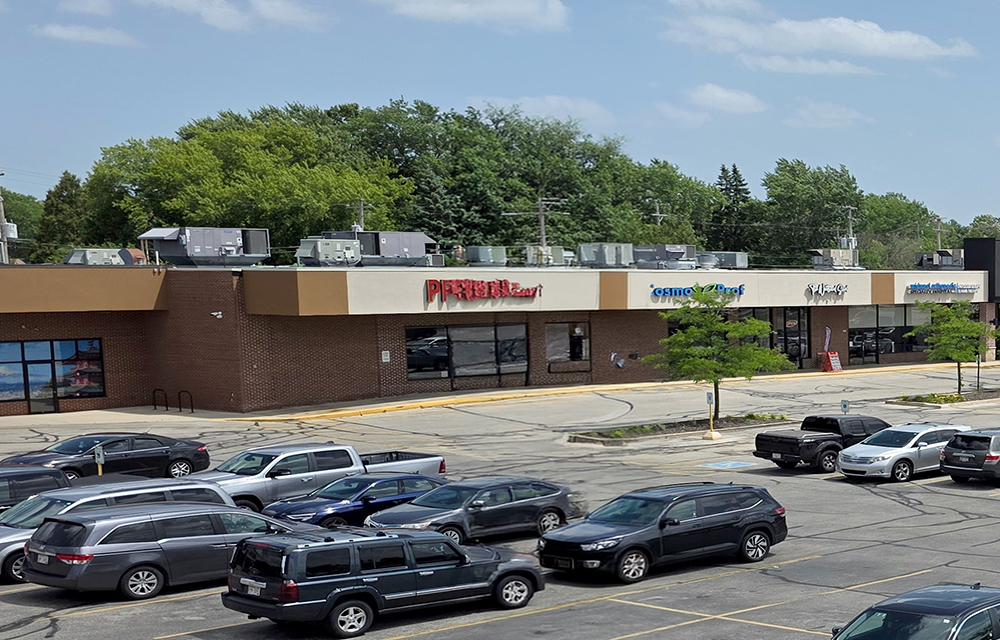
United Properties Corp. expands Wisconsin and Illinois retail presence adding 200,000 s/f
West Allis, WI United Properties Corp. completed two retail acquisitions totaling $27.4 million across Illinois and Wisconsin, adding 205,000 s/f of shopping center space to its portfolio





Columns and Thought Leadership

Hunt commercial real estate question and answer: Fortune 500 wisdom - by David Hunt
Yes, there are lessons to be learned from the largest companies in America when comes to managing your real estate. But the decision to buy or lease real estate may not be one of

Positive forecast for New York’s pro-housing push? - by Philip Butler
New York’s housing crisis remains a hot button topic despite growing consensus that varied and affordable housing is desperately needed statewide. Governor Hochul has recently introduced several initiatives to overcome N.Y.’s anti-housing

A guide to finding the right NYC property management company - by Sanjay Gandhi
Being a small to midsize landlord in NYC is an increasingly demanding endeavor. From navigating complex regulations, increased compliance demands to dealing with tenant issues and remediating violations. It is wise to enlist the assistance of a partner, a professional

New York’s streets are full again, and the retail numbers prove it - by Noam Aziz
Walk down any New York block this year and you can feel it. The sidewalks are crowded, the storefronts are lit, and the energy that defines this city is back at full volume.
.gif)