



News:
Brokerage
Posted: June 23, 2014
Construction Law: Co-ops and condos in townhouses
Townhouse co-ops and condos are common in Brooklyn and are becoming more common elsewhere as well. The buildings lend themselves to the creation of nice, bright apartments and can be very desirable, especially those with the parlor floors. However, there are things to watch out for if you are thinking of buying an apartment in such a building. Having so few people living in a co-op or condo means that the costs and expenses are spread out amongst very few families. When a new roof needs to be installed, there may need to be an assessment to cover the expenses. Some buildings purposely keep their reserve accounts low thinking that when a situation arises, they can easily ask everyone to contribute their share, but often people resent being asked to pay a large assessment, even though they knew it was inevitable and likely to occur.
When one or two owners decide to buy more than one apartment, it can potentially be problematic because there are then even fewer families to spread those expenses with. Should that owner of more than one apartment experience any financial difficulties, it can have a great adverse effect on the entire building. If one person comes to own a significant percentage of the building, it can create problems for the building in obtaining financing for a building mortgage or for any renovation the building might need to undergo.
It can also affect the balance of power on the board and cause one family to have more "say" than others in the affairs of the building. The building needs to have the same kinds of bylaws, house rules and proprietary leases as any co-op or condominium would have, but it can be harder to enforce these rules when there may only be five unit owners or less in the building. It also can be very costly for the other unit owners if the building needs to go to court with that person.
Some people are uncomfortable living in such small buildings, while others thrive. They enjoy all the involvement in day-to-day issues and the living space is attractive. Reviewing the minutes of the board meetings before purchasing an apartment will give you some insight into how the building is being operated.
Buying into such townhouses works best when there are residents who have the time and interest in being very involved in the management of the building. These buildings tend to be self-managed, but that is not always the case. Sometimes they have part-time people assisting. Residents allocate responsibilities according to peoples' availability and skills. However, you cannot generalize, since some larger coops and condos are also self-managed and require residents to get involved in the management of the building.
C. Jaye Berger, Esq., is the principal of Law Offices C. Jaye Berger, New York, N.Y.
Tags:
Brokerage
MORE FROM Brokerage
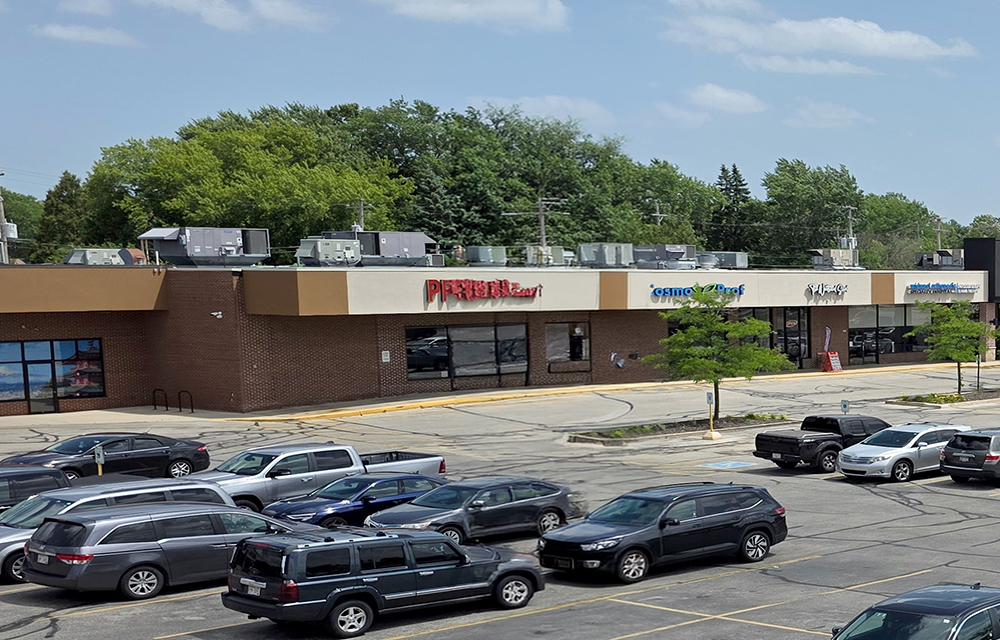
United Properties Corp. expands Wisconsin and Illinois retail presence adding 200,000 s/f
West Allis, WI United Properties Corp. completed two retail acquisitions totaling $27.4 million across Illinois and Wisconsin, adding 205,000 s/f of shopping center space to its portfolio



 (2).gif)

Columns and Thought Leadership

Hunt commercial real estate question and answer: Fortune 500 wisdom - by David Hunt
Yes, there are lessons to be learned from the largest companies in America when comes to managing your real estate. But the decision to buy or lease real estate may not be one of

Positive forecast for New York’s pro-housing push? - by Philip Butler
New York’s housing crisis remains a hot button topic despite growing consensus that varied and affordable housing is desperately needed statewide. Governor Hochul has recently introduced several initiatives to overcome N.Y.’s anti-housing

New York’s streets are full again, and the retail numbers prove it - by Noam Aziz
Walk down any New York block this year and you can feel it. The sidewalks are crowded, the storefronts are lit, and the energy that defines this city is back at full volume.

A guide to finding the right NYC property management company - by Sanjay Gandhi
Being a small to midsize landlord in NYC is an increasingly demanding endeavor. From navigating complex regulations, increased compliance demands to dealing with tenant issues and remediating violations. It is wise to enlist the assistance of a partner, a professional
.gif)