



News:
Brokerage
Posted: May 1, 2018
Commercial Real Estate: The South Bronx’s accelerated revitalization - by Justin Fitzsimmons
The Bronx has been getting lots of attention, and with good reason. In recent years, the borough has seen a major surge in real estate development and investment, and pricing has also climbed significantly. This has been particularly pronounced in South Bronx areas, whose proximity to Manhattan made them prime candidates for revitalization. While we certainly anticipated the South Bronx’s ascendance—we even devoted a market report to the topic in 2016—there are some changes we’re seeing in the Bronx that nobody could have expected.
What is, perhaps, most unique is the pace at which the neighborhood has transformed. In most cases, neighborhoods evolve in a few stages. After being identified by developers as an area ripe for improvement, the neighborhood will start to see residential construction. Only once new residents have begun moving in will you to see the retail landscape change, with the addition of shopping and dining options targeted at new residents.
In the South Bronx, everything happened very differently and quickly. Even as new residential developments broke ground, retail establishments were popping up, including coffee shops and restaurants that quickly gave these neighborhoods a more established feel. In short order, there were also plans filed to reconfigure industrial properties into vibrant, creative workspaces—several of which are already filling up with growing businesses.
Looking back at the transformation of areas like Williamsburg, it’s hard not to think about how many years it took, and how the process was so much more gradual than what we’re seeing in the South Bronx.
Is the Bronx’s revitalization noteworthy? No doubt. But perhaps even more intriguing than the way it has changed is the breakneck speed at which those changes have occurred.
Justin Fitzsimmons is a research analyst at GFI Realty Services, New York, N.Y.
Tags:
Brokerage
MORE FROM Brokerage
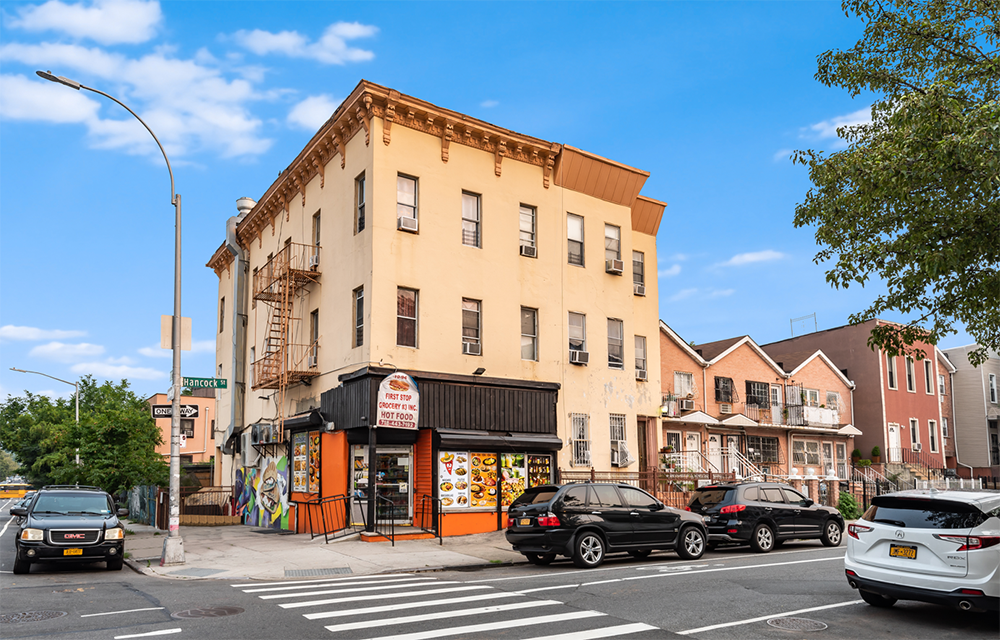
Investment Property Realty Group closes $1.75 million sale of 1094 Hancock Street in Brooklyn
Brooklyn, NY Investment Property Realty Group (IPRG), a New York-based commercial investment firm, has closed the sale of 1094 Hancock St., a mixed-use building in the Bushwick section, for $1.75 million.


 (2).gif)

Columns and Thought Leadership

A guide to finding the right NYC property management company - by Sanjay Gandhi
Being a small to midsize landlord in NYC is an increasingly demanding endeavor. From navigating complex regulations, increased compliance demands to dealing with tenant issues and remediating violations. It is wise to enlist the assistance of a partner, a professional

Hunt commercial real estate question and answer: Fortune 500 wisdom - by David Hunt
Yes, there are lessons to be learned from the largest companies in America when comes to managing your real estate. But the decision to buy or lease real estate may not be one of

New York’s streets are full again, and the retail numbers prove it - by Noam Aziz
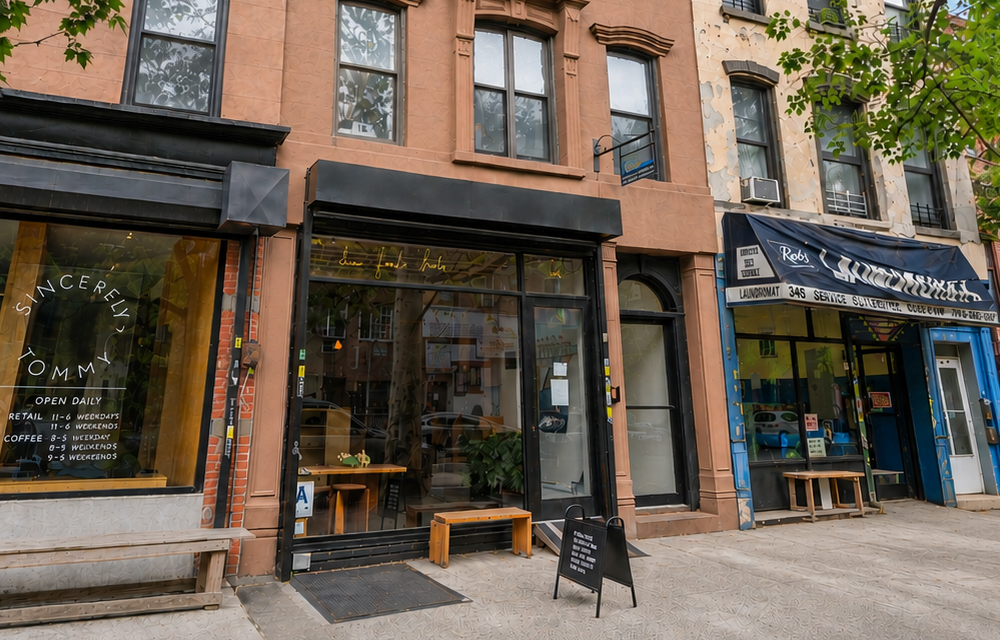
Walk down any New York block this year and you can feel it. The sidewalks are crowded, the storefronts are lit, and the energy that defines this city is back at full volume.

Hunt CRE question and answer: Choosing a real estate agent - by David Hunt
First, we will only work with one agent exclusively. The primary reason is that we want that agent to legally represent our client’s interests. In New York State, a real estate agent has a fiduciary
.gif)