



News:
Brokerage
Posted: August 13, 2012
Capital Region EDC unveils Center for Economic Growth plan to attract foreign investment
The Capital Region Economic Development Council recently revealed that the Center for Economic Growth (CEG) has signed a contract to officially move forward with the first stages of the EB-5 Immigrant Investor Program application which, if successful, would establish a Regional Center to attract foreign investment and create jobs in the Capital Region. The project was awarded $125,000 as part of governor Andrew Cuomo's Regional Council initiative.
"The Council designated the EB-5 Program as a priority project based on its potential to encourage investment and grow jobs in the Capital Region," said Linda Hillman, Rensselaer County Regional Chamber of Commerce president and capital region economic development council member. "We look forward to a successful application overseen by our partners at CEG and applaud the Governor's efforts to implement this community driven process that is now driving the future economic prosperity of the region."
The CEG has contracted with Prime Regional Center, LLC, an affiliate of Prime Cos., headquartered in Cohoes, which intends to create and operate the Regional Center. CEG contributed $12,500 to the $137,500 project and will oversee Prime's preparation and filing of an application to the U.S. Department of Homeland Security's EB-5 Immigrant Investor Program. Once operational, CEG will assist Prime with marketing and promoting the center.
The Regional Center presents a key opportunity to attract foreign investment and create jobs, as well as housing, educational and entertainment opportunity for the region. The application is expected to be completed within the next several months with final acceptance by the Federal government before the end of the year.
"The establishment of an EB-5 Regional Center will provide our region with yet another tool to market the region to outside investors," said Michael Tucker, president and CEO of the Center for Economic Growth. "The opportunity to attract investments from around the world will further advance the region's emerging reputation as a global innovation and technology cluster. Prime Regional Center, LLC and its affiliate Prime Companies have the experience and expertise to successfully operate the EB-5 Center."
"We appreciate the state and CEG support for the establishment of the regional center," said Kenneth Raymond, managing partner of the Prime Regional Center. "We look forward to working with area developers in the creation of good-paying, quality jobs for the residents of the Capital Region."
The EB-5 program was created by Congress in 1990 and makes permanent residence, or Green Cards, available to qualified individuals seeking U.S. residency based on their creating new jobs in the country through investment in new or financially troubled commercial enterprises. The Regional Center program requires that foreign investors make capital investments of either $500,000 or $1 million in a commercial enterprise located within the U.S. The investment must create 10 fulltime jobs for qualifying residents within two years of the foreign investor's admission to the country.
Last year, a total of $785 million was awarded through the Consolidated Funding Application (CFA) for job creation and community development projects consistent with each region's strategic plans. The Capital Region was awarded $62.7 million in state support through the Regional Economic Development Council initiative and CFA process for some 88 projects across the region. As part of that process, $125,000 in funding was awarded to the Center for Economic Growth from Empire State Development.
"The creation of an EB-5 Regional Center is a unique approach to stimulating the local economy through job creation and capital investment," said ESD president, CEO & Commissioner Kenneth Adams. "This project will spur economic growth with limited state resources to support a program that, at no expense to the taxpayer, creates jobs and economic opportunities. This is a perfect example of governor Cuomo's vision for the Regional Council initiative and CFA process at work. ESD is pleased to support CEG's application for this federal program."
Tags:
Brokerage
MORE FROM Brokerage
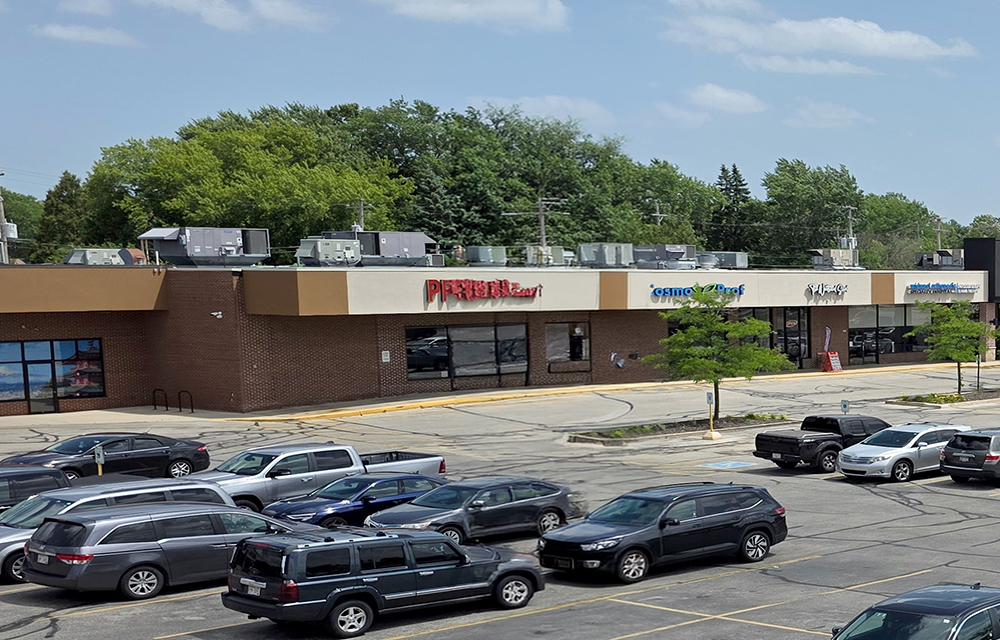
United Properties Corp. expands Wisconsin and Illinois retail presence adding 200,000 s/f
West Allis, WI United Properties Corp. completed two retail acquisitions totaling $27.4 million across Illinois and Wisconsin, adding 205,000 s/f of shopping center space to its portfolio


 (2).gif)

Columns and Thought Leadership

A guide to finding the right NYC property management company - by Sanjay Gandhi
Being a small to midsize landlord in NYC is an increasingly demanding endeavor. From navigating complex regulations, increased compliance demands to dealing with tenant issues and remediating violations. It is wise to enlist the assistance of a partner, a professional

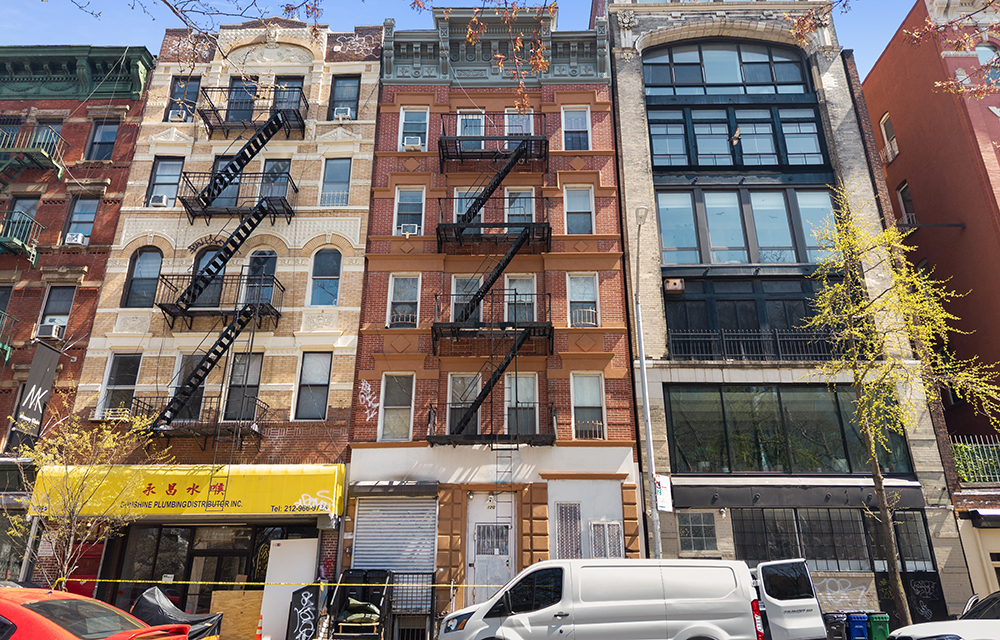
New York’s streets are full again, and the retail numbers prove it - by Noam Aziz
Walk down any New York block this year and you can feel it. The sidewalks are crowded, the storefronts are lit, and the energy that defines this city is back at full volume.

Hunt commercial real estate question and answer: Fortune 500 wisdom - by David Hunt
Yes, there are lessons to be learned from the largest companies in America when comes to managing your real estate. But the decision to buy or lease real estate may not be one of

Positive forecast for New York’s pro-housing push? - by Philip Butler
New York’s housing crisis remains a hot button topic despite growing consensus that varied and affordable housing is desperately needed statewide. Governor Hochul has recently introduced several initiatives to overcome N.Y.’s anti-housing
.gif)