



News:
Brokerage
Posted: March 26, 2012
Beech Street Capital provides $13.6 million Fannie Mae for New Jersey portfolio
Beech Street Capital, LLC has provided a $13.6 million Fannie Mae DUS loans to refinance a four-property portfolio totaling 181 units in Edison, Montclair and Highland Park. Scott Assouline of Meridian Capital Group, LLC, originated the transaction, which was financed by Beech Street Capital as part of its correspondent relationship with Meridian.
The sponsors were first-time Beech Street and Fannie Mae clients after working with local community banks for decades. Beech Street was able to demonstrate its expertise and knowledge in agency financing. The lender was able to secure a waiver for the one percent prepayment premium on each of the loans. Beech Street further increased savings for the borrower by achieving DUS structure and pricing for the primarily small loan portfolio with a sub-four percent interest rate.
"The Beech Street team proved their ability to compete well with local banks and to work well with strong, family-run real estate organizations," states Matt Texler, managing director at Meridian. "The transaction highlights Beech Street and Meridian Capital's strong partnership in the New York Metro area." The sponsors have been involved in real estate management and investment for over 50 years. The family owns and manages nearly 4,000 units in the New Jersey, Pennsylvania and New York markets.
Located in Essex and Middlesex Counties, the properties are in prime locations of Northern New Jersey, attracting residents for their suburban appeal and close proximity to New York City.
The fixed-rate loans have a seven-year term, 6.5 years of yield maintenance, and a 30-year amortization schedule payable on an actual/360 basis.
Tags:
Brokerage
MORE FROM Brokerage
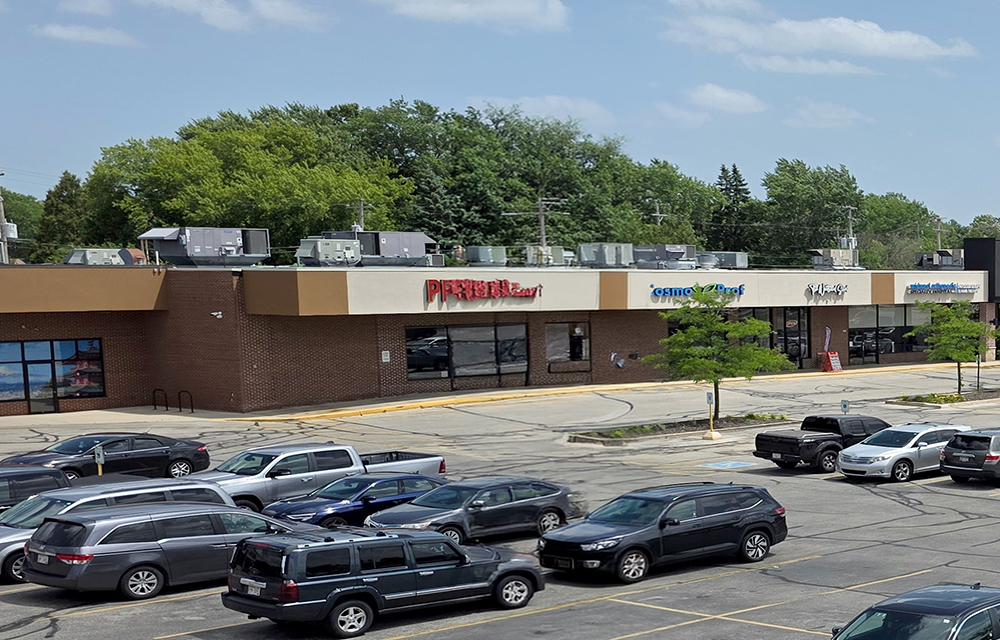
United Properties Corp. expands Wisconsin and Illinois retail presence adding 200,000 s/f
West Allis, WI United Properties Corp. completed two retail acquisitions totaling $27.4 million across Illinois and Wisconsin, adding 205,000 s/f of shopping center space to its portfolio




 (2).gif)

Columns and Thought Leadership

New York’s streets are full again, and the retail numbers prove it - by Noam Aziz
Walk down any New York block this year and you can feel it. The sidewalks are crowded, the storefronts are lit, and the energy that defines this city is back at full volume.

Positive forecast for New York’s pro-housing push? - by Philip Butler
New York’s housing crisis remains a hot button topic despite growing consensus that varied and affordable housing is desperately needed statewide. Governor Hochul has recently introduced several initiatives to overcome N.Y.’s anti-housing

Hunt commercial real estate question and answer: Fortune 500 wisdom - by David Hunt
Yes, there are lessons to be learned from the largest companies in America when comes to managing your real estate. But the decision to buy or lease real estate may not be one of

A guide to finding the right NYC property management company - by Sanjay Gandhi
Being a small to midsize landlord in NYC is an increasingly demanding endeavor. From navigating complex regulations, increased compliance demands to dealing with tenant issues and remediating violations. It is wise to enlist the assistance of a partner, a professional
.gif)