



News:
Brokerage
Posted: April 14, 2017
Barrett of Admiral Real Estate facilitates retail/office property sale in Bronxville: $2.975 million
 495 New Rochelle Road - Bronxville, NY
 John Barrett, Admiral Real Estate
Bronxville, NY John Barrett of Admiral Real Estate Services Corp. recently brokered the sale of a two-story retail and office property located at 495 New Rochelle Rd. The property sold in an all-cash transaction valued at $2.975 million to 495 AKH LLC, a Westchester-based investor. The seller was the Estate of Dominick DeGaetano and co-executor JP Morgan Chase.
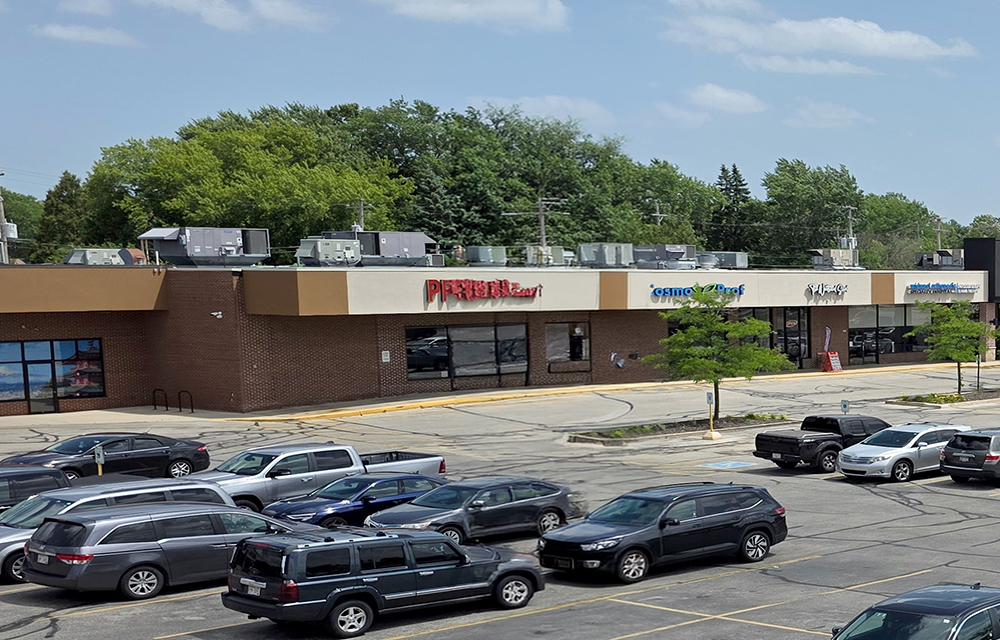
495 New Rochelle Rd. is a corner property, located in the Chester Heights neighborhood. The property has 95 ft. of retail frontage on New Rochelle Rd. as well as 50 ft. of frontage on Parkway Plaza and shares the block front with CVS. The 9,874 s/f building houses six ground floor retail tenants and six second floor office tenants. The property also has an indoor garage with ten individual units. The property is in the Chester Heights retail district.
John Barrett, head of investment sales at Admiral Real Estate, exclusively represented the seller and identified the buyer.
Prior to sale, the property was managed by a third party asset manager. According to Barrett, “The property had significant deferred maintenance and the buyer plans on investing substantially in the physical plant. Rents in the building were below market due to the condition of the property.”
Barrett said, “Due to its superior location and Bronxville address, there was considerable interest in the property. We received 20 highly qualified offers in only 10 days of marketing. We continue to see buyers execute quickly without contingencies to lock in transactions as sellers take advantage of the high level of liquidity in the market.”
The seller was represented by Anne Aicher of Shamberg Marwell Hollis Andreycak & Laidlaw. The buyer was represented by James Veneruso of Veneruso, Curto, Schwartz & Curto.
The sale occurred at a cap rate of 6% on in-place income, roughly $302 per s/f reflecting the significant upside in the property.
Barrett said “Although the retail landscape continues to evolve, properties located in the villages and downtowns of Westchester and Fairfield Counties continue to appeal to investors who have a hearty appetite for these types of retail locations as opposed to highway locations.”
Tags:
Brokerage
MORE FROM Brokerage

Law Firm Nutter expands space to 11,438 s/f at 5 Grand Central East
Manhattan, NY According to the Durst Organization, full-service law firm Nutter is expanding their office at 5 Grand Central East to 11,438 s/f. Nutter will take the entire 25th floor, in addition to renewing the firm’s existing office space on the 27th floor of the building.




 (2).gif)

Columns and Thought Leadership

New York’s streets are full again, and the retail numbers prove it - by Noam Aziz
Walk down any New York block this year and you can feel it. The sidewalks are crowded, the storefronts are lit, and the energy that defines this city is back at full volume.

A guide to finding the right NYC property management company - by Sanjay Gandhi
Being a small to midsize landlord in NYC is an increasingly demanding endeavor. From navigating complex regulations, increased compliance demands to dealing with tenant issues and remediating violations. It is wise to enlist the assistance of a partner, a professional

Hunt commercial real estate question and answer: Fortune 500 wisdom - by David Hunt
Yes, there are lessons to be learned from the largest companies in America when comes to managing your real estate. But the decision to buy or lease real estate may not be one of

Positive forecast for New York’s pro-housing push? - by Philip Butler
New York’s housing crisis remains a hot button topic despite growing consensus that varied and affordable housing is desperately needed statewide. Governor Hochul has recently introduced several initiatives to overcome N.Y.’s anti-housing
.gif)