



News:
Brokerage
Posted: July 6, 2021
Ariel Property Advisors arranges $48.8m financing
New York, NY Ariel Property Advisors’ Capital Services Division closed $48.8 million in financing for a diversified range of properties and portfolios, from residential to industrial. The transactions, led by an Ariel team including Paul McCormick, senior vice president, investment sales and capital services; Matt Dzbanek, director, capital services; Ahron Sussman, director, capital services; Matt Swerdlow, director, capital services; and Eli Weisblum, director, capital services, have demonstrated the enthusiasm lenders have for strategic deals amid a shifting market landscape.
“Creative financing solutions are key to delivering advantageous loans and terms for borrowers,” said Dzbanek. “There is a great deal of optimism right now and lenders recognize the need for tailored financing solutions for each deal as owners and investors adjust their property and development strategies for new consumer, resident and end-user needs.”
Among the team’s highlights, Weisblum arranged a $12.4 million refinance loan for a 36-unit apartment building in The Bronx following the recent construction of the building. The building was 70% master leased to a non-profit organization. Dzbanek led a $6.9 million cash out refinance loan for a 23,045 s/f, 20-unit portfolio across Brooklyn and Queens. The portfolio contained a mix of multifamily and mixed-use assets with one retail vacancy accounting for 15% of the overall projected income.
Swerdlow arranged a $4.7 million coop refinance, securing a senior note as well as a line of credit for the property in the Morningside Heights neighborhood of Manhattan. Sussman led the closing of a $4 million construction loan for class A industrial/warehouse development in Hebron, Kentucky. Located outside Cincinnati, the newly built property delivers on the growing distribution and logistics needs of the metro area.
“With low interest rates prevailing for the foreseeable future as the market rebounds quickly, now is an ideal time to strategize financing, whether it’s a ground-up build, a repositioning or a recapitalization of assets,” said Swerdlow. “From residential to industrial, the lender appetite is there for the right deals.”
Tags:
Brokerage
MORE FROM Brokerage
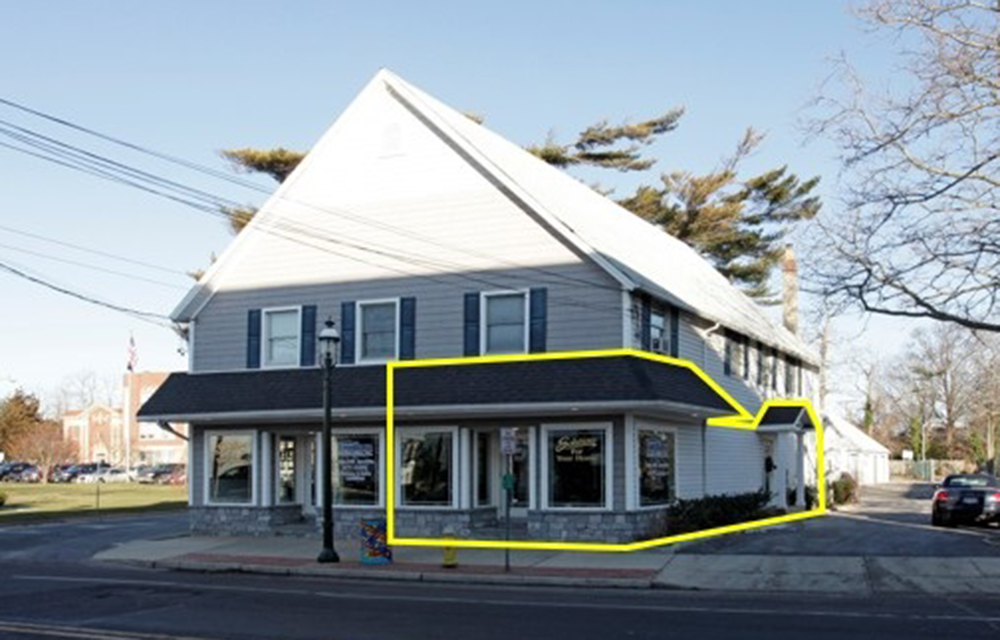
Raffa of Island Associates Real Estate leases 1,700 s/f to Tzanis Mental Health Group at 417 East Main St.
Islip, NY Robert Raffa from Island Associates Real Estate facilitated Tzanis Mental Health Group into 417 East Main St. – a 1,700 s/f office suite. The Tzanis Mental Health Group joins






Quick Hits
 (2).gif)

Columns and Thought Leadership

Hunt commercial real estate question and answer: Fortune 500 wisdom - by David Hunt
Yes, there are lessons to be learned from the largest companies in America when comes to managing your real estate. But the decision to buy or lease real estate may not be one of

Positive forecast for New York’s pro-housing push? - by Philip Butler
New York’s housing crisis remains a hot button topic despite growing consensus that varied and affordable housing is desperately needed statewide. Governor Hochul has recently introduced several initiatives to overcome N.Y.’s anti-housing

New York’s streets are full again, and the retail numbers prove it - by Noam Aziz
Walk down any New York block this year and you can feel it. The sidewalks are crowded, the storefronts are lit, and the energy that defines this city is back at full volume.

A guide to finding the right NYC property management company - by Sanjay Gandhi
Being a small to midsize landlord in NYC is an increasingly demanding endeavor. From navigating complex regulations, increased compliance demands to dealing with tenant issues and remediating violations. It is wise to enlist the assistance of a partner, a professional
.gif)
September Promotion
