



News:
Brokerage
Posted: June 14, 2022
CA-based architecture and design firm MBH Architects makes headway on the East Coast
New York, NY Alameda, CA based MBH Architects is an architecture and design firm specializing in retail, restaurant, housing, mixed-use, and workspace. With offices in the San Francisco Bay Area, Denver, and Mumbai, MBH Architects is growing its East Coast presence through the firm’s New York City office. Led by director Helen Herrick, the firm’s New York office recently celebrated its fifth anniversary and has garnered a prominent roster of clientele since its inception.
Since opening its door, the New York City office has been a home base to spur further growth for New York City-based clientele including luxury brands often traveling between New York and European offices. Previously located in the Tribeca neighborhood, MBH Architects relocated its operations to 50 Hudson St. in 2020 to accommodate the company’s rapid growth. After working remotely for much of the pandemic, in-person work has partially resumed, offering employees the opportunity to grow the collaborative spirit that sustained the team in the remote environment.
With clients that include global brands like Tiffany & Co., Levi's, Target, and West Elm, MBH Architects has seen decades of success in the retail sector, working on flagship locations and larger brand roll-outs. Most recently, the firm transformed Tourneau’s NYC flagship into Bucherer TimeMachine—a renovation that came after the announcement that Tourneau was acquired by European retailer Bucherer AG. The firm also spearheaded the design of two Waterworks showrooms and the first permanent Allbirds flagship store in the city. Today, the team is working on confidential projects that extend MBH’s expertise into new realms within NYC and beyond—most recently, a luxury residential townhouse in NYC.
“As MBH's portfolio expands and the firm diversifies services it provides, a strong East Coast presence has become a pivotal next step for the company,” said Herrick. “As we look towards the future, our office is tapping into a variety of markets such as retail, retail banking, restaurant, and luxury residential.”
Tags:
Brokerage
MORE FROM Brokerage
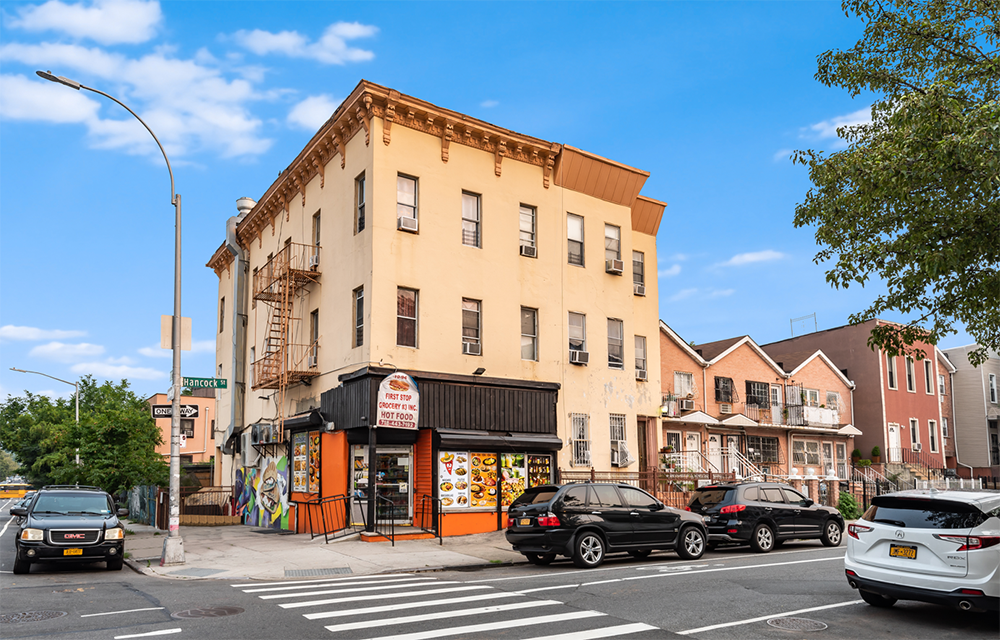
Investment Property Realty Group closes $1.75 million sale of 1094 Hancock Street in Brooklyn
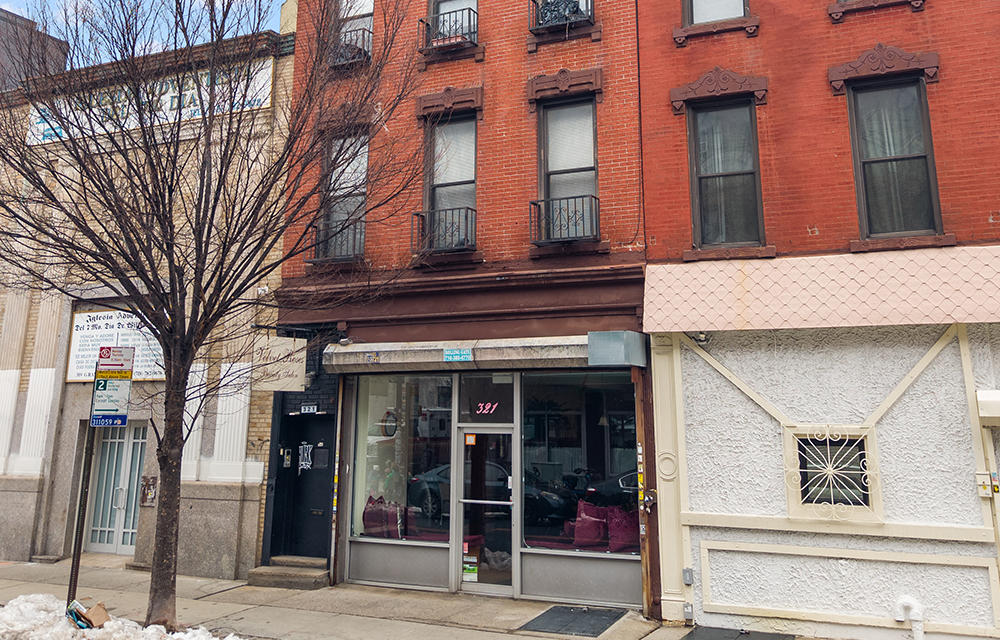
Brooklyn, NY Investment Property Realty Group (IPRG), a New York-based commercial investment firm, has closed the sale of 1094 Hancock St., a mixed-use building in the Bushwick section, for $1.75 million.


Quick Hits
 (2).gif)

Columns and Thought Leadership

New York’s streets are full again, and the retail numbers prove it - by Noam Aziz
Walk down any New York block this year and you can feel it. The sidewalks are crowded, the storefronts are lit, and the energy that defines this city is back at full volume.

A guide to finding the right NYC property management company - by Sanjay Gandhi
Being a small to midsize landlord in NYC is an increasingly demanding endeavor. From navigating complex regulations, increased compliance demands to dealing with tenant issues and remediating violations. It is wise to enlist the assistance of a partner, a professional

Hunt CRE question and answer: Choosing a real estate agent - by David Hunt
First, we will only work with one agent exclusively. The primary reason is that we want that agent to legally represent our client’s interests. In New York State, a real estate agent has a fiduciary

Hunt commercial real estate question and answer: Fortune 500 wisdom - by David Hunt
Yes, there are lessons to be learned from the largest companies in America when comes to managing your real estate. But the decision to buy or lease real estate may not be one of
.gif)