



News:
Brokerage
Posted: June 14, 2022
JLL arranges 12,489 s/f deal for non-profit Greyston Foundation at 20 South Broadway
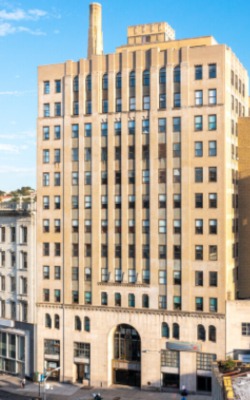 New York, NY JLL has completed a new headquarters lease on behalf of the social justice non-profit Greyston Foundation at 20 South Broadway.
Founded in 1982 to help individuals facing barriers to meaningful employment, Greyston has grown to provide job seekers with access to training and education programs, youth services and traditional employment services. Greyston is a major supplier of gold standard brownies enjoyed around the world and last year created 1,350 new jobs through its open hiring policy.
The organization will relocate its headquarters from 21-23 Park Ave. in Yonkers to occupy 12,489 s/f of space at 20 South Broadway under a 10-year lease.
Ellen Herman, executive vice president at JLL, represented Greyston Foundation in the transaction. Landlord Chestnut Holdings was represented in-house by Gil Wiener, managing director.
Built in 1931, 20 South Broadway is a 148,000 s/f, 12-story office building with a classic Art Deco lobby, terrazzo floors and brass elevator doors. Located next door to Westchester County Courthouse in the Getty Square neighborhood, it sits on the Metro-North Hudson Line and is close to multiple bus routes. The property’s tenant roster includes the US Social Security Administration, Bank of America, Westchester Community College, Family Services of Westchester, the Westchester County Health Department and the Visiting Nurse Service of New York.
“Greyson has been seeking an expanded new headquarters space since before the pandemic and we are delighted to have been able to satisfy their requirements for a cost-effective central Yonkers location with easy access to transportation,” said Herman. “Ownership was extremely helpful, providing flexibility and working to negotiate a deal that benefits all parties.”
Joseph Kenner, president and CEO of Greyston Foundation, said, “This relocation comes as the Greyston Foundation embarks on a 10-year vision to provide employment opportunities to at least 40,000 Americans through Open Hiring and more inclusive employment practices for those with employment barriers. Our new headquarters will enable us to provide expanded training opportunities as we work to fulfill our mission of unlocking human potential through innovative and effective solutions that address the underlying challenges people face in securing a job.”
Tags:
Brokerage
MORE FROM Brokerage
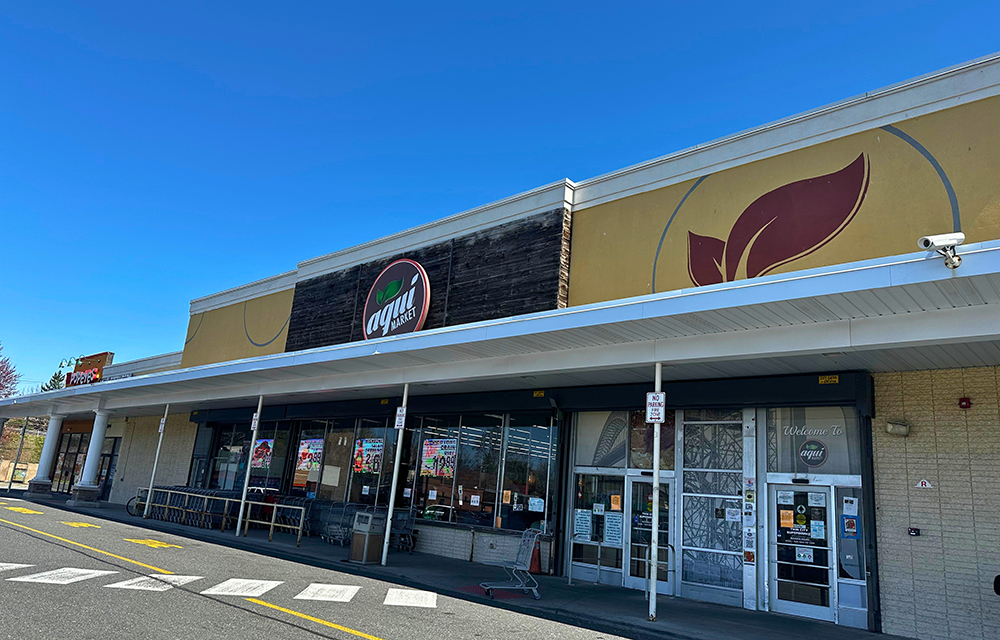
Planet Fitness coming to Twin City Shopping Center in Jersey City
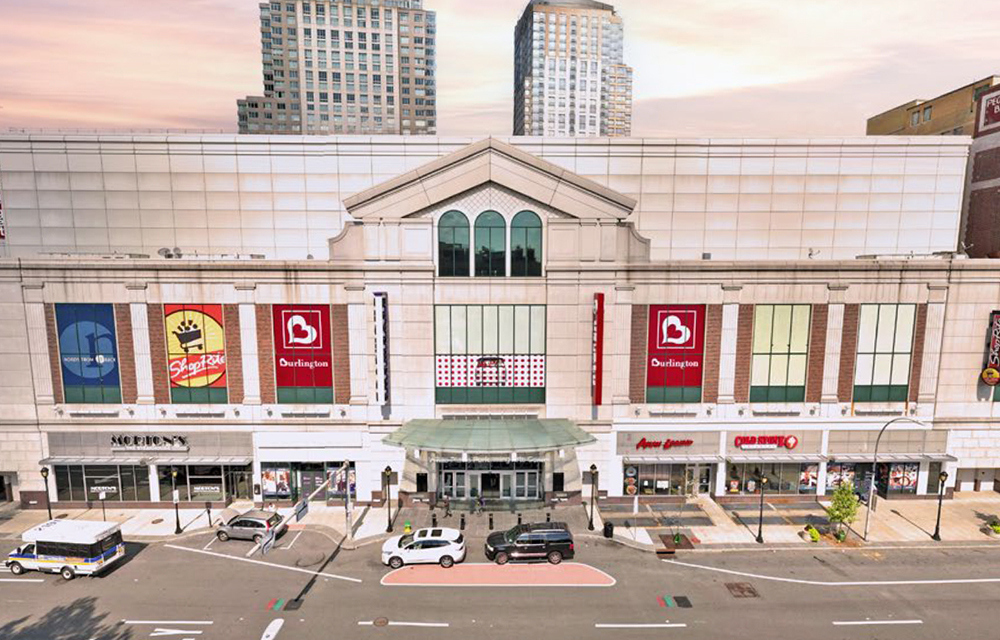
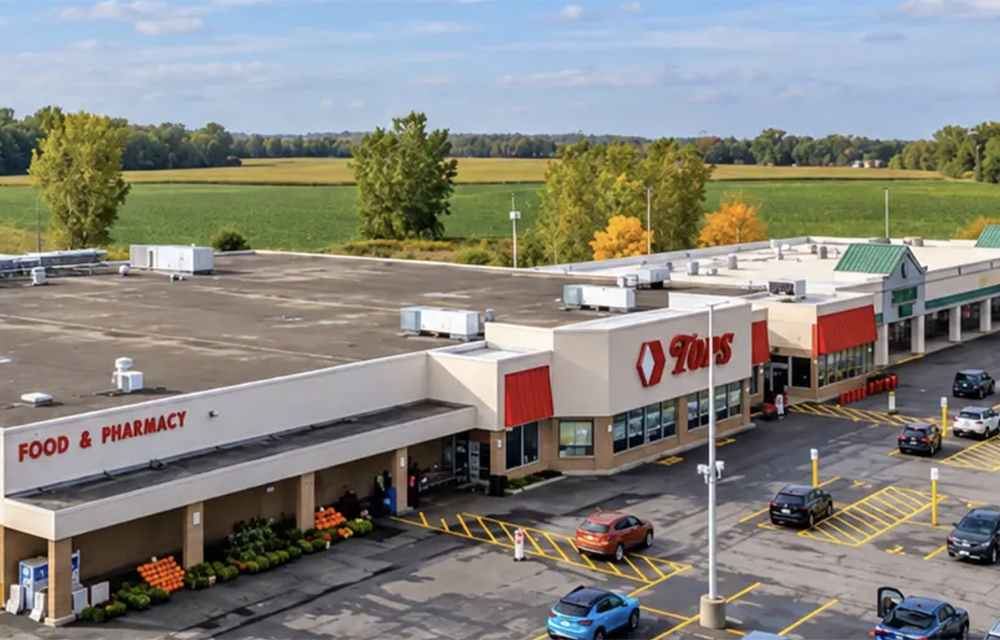
Jersey City, NJ Planet Fitness is coming to Twin City Shopping Center in Jersey City, bringing the 95,000 s/f, grocery-anchored property to full occupancy. The nationally recognized fitness brand has leased a


Quick Hits
 (2).gif)

Columns and Thought Leadership

Hunt commercial real estate question and answer: Fortune 500 wisdom - by David Hunt
Yes, there are lessons to be learned from the largest companies in America when comes to managing your real estate. But the decision to buy or lease real estate may not be one of

A guide to finding the right NYC property management company - by Sanjay Gandhi
Being a small to midsize landlord in NYC is an increasingly demanding endeavor. From navigating complex regulations, increased compliance demands to dealing with tenant issues and remediating violations. It is wise to enlist the assistance of a partner, a professional

Hunt CRE question and answer: Choosing a real estate agent - by David Hunt
First, we will only work with one agent exclusively. The primary reason is that we want that agent to legally represent our client’s interests. In New York State, a real estate agent has a fiduciary

New York’s streets are full again, and the retail numbers prove it - by Noam Aziz
Walk down any New York block this year and you can feel it. The sidewalks are crowded, the storefronts are lit, and the energy that defines this city is back at full volume.
.gif)