



News:
Brokerage
Posted: October 17, 2017
Arcadis named FEMA engineer of record for the City of New York’s East Side Coastal Resiliency project
Manhattan, NY Arcadis, a global design and consultancy firm for natural and built assets, has been selected as engineer of record for the Federal Emergency Management Agency (FEMA) flood protection multiphase design of the city’s East Side Coastal Resiliency (ESCR) project. Arcadis is part of a team supporting the city’s efforts to safeguard the Lower East Side against severe weather events and continued sea level rise.
The ESCR Project, led by the Mayor’s Office of Recovery and Resiliency, is an urban flood protection solution spanning 2.5 miles, including the East Side, and is the first element of coastal storm and sea leave rise defense system for the East Side and Lower Manhattan.
Following completion of ESCR’s conceptual design and preliminary design phases, Arcadis was selected as part of a multi-disciplined engineering team contracted by the New York City Department of Design and Construction during final design phase of the project.
In collaboration with the city of New York and local communities, Arcadis will design flood protection solutions that merge into the urban fabric for 200,000 residents and 21,000 businesses. Arcadis will also develop supporting documentation necessary for changes to FEMA flood hazard maps.
Design features will incorporate a combination of architectural floodwalls, bridging berms, embankments, moveable floodgates, and interior drainage improvements, all integrated with East River Park amenities to include recreational facilities, pedestrian and bicycle pathways.
As the five-year anniversary of Sandy approaches, these solutions will strengthen coastal defenses and improve community enjoyment of existing parks while offering future flood protection and environmental benefits.
Hurricane Sandy devastated coastal zones and low-lying urban areas of New York City, and Manhattan’s economy suffered during and after the storm. Neighborhoods, businesses and underground transportation systems flooded and the New York Stock Exchange closed for two days. Hurricane Sandy brought to the forefront New York’s vulnerability to coastal flooding and the need to improve its resiliency to severe weather events.
“New York City is particularly vulnerable to the effects of sea level rise as proven by Hurricane Sandy’s economic impacts on the city’s dense population and business centers as well as underground infrastructure,” said Peter Glus, Arcadis City executive for New York City. “Our team brings a wealth of expertise in climate change adaptability and resilience from our Dutch heritage and from our experienced engineers who designed flood protection systems across the Louisiana coast following Hurricane Katrina.”
Arcadis has undertaken many high-profile water management and resiliency planning projects throughout the U.S., including Hurricane Harvey response in Houston to support damaged or at-risk commercial, industrial or public sector facilities, the assessment of San Francisco’s Mission Creek, and reducing risks to communities in Norfolk, Virginia, against severe weather events via an enhanced flood protection system.
Tags:
Brokerage
MORE FROM Brokerage
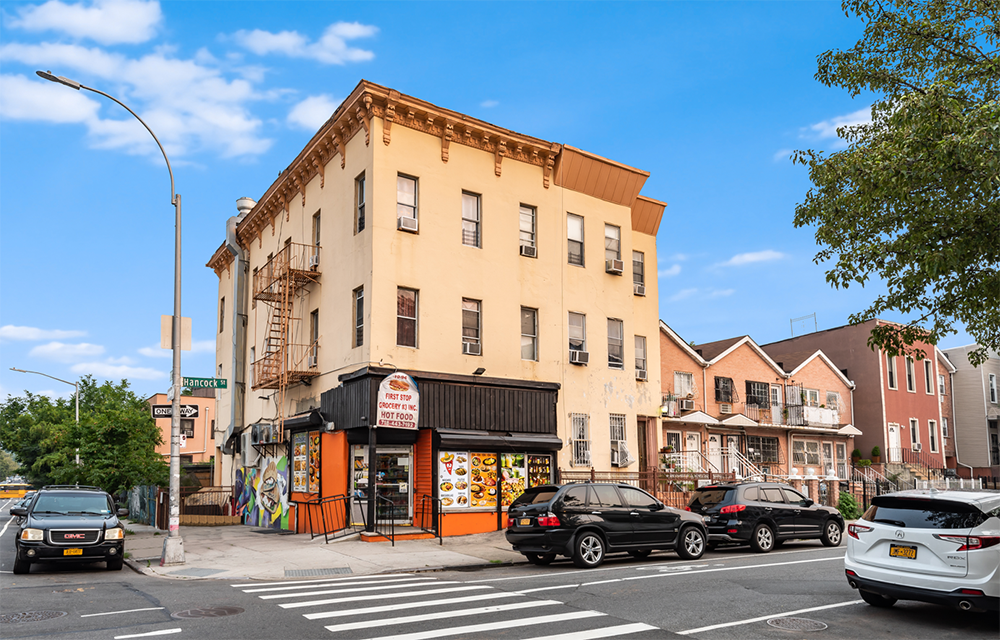
Investment Property Realty Group closes $1.75 million sale of 1094 Hancock Street in Brooklyn
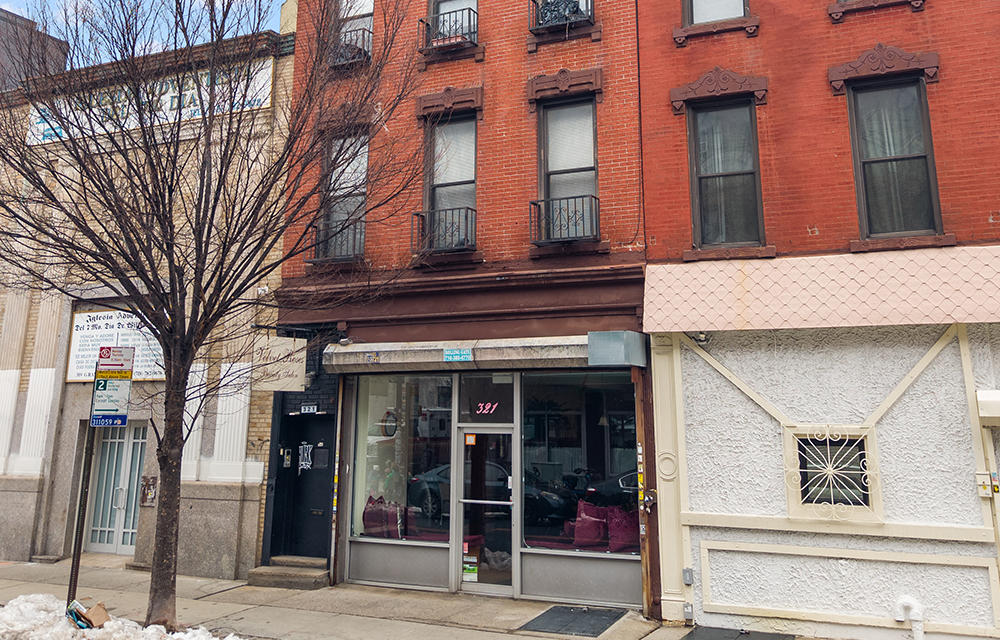
Brooklyn, NY Investment Property Realty Group (IPRG), a New York-based commercial investment firm, has closed the sale of 1094 Hancock St., a mixed-use building in the Bushwick section, for $1.75 million.


Quick Hits

Columns and Thought Leadership

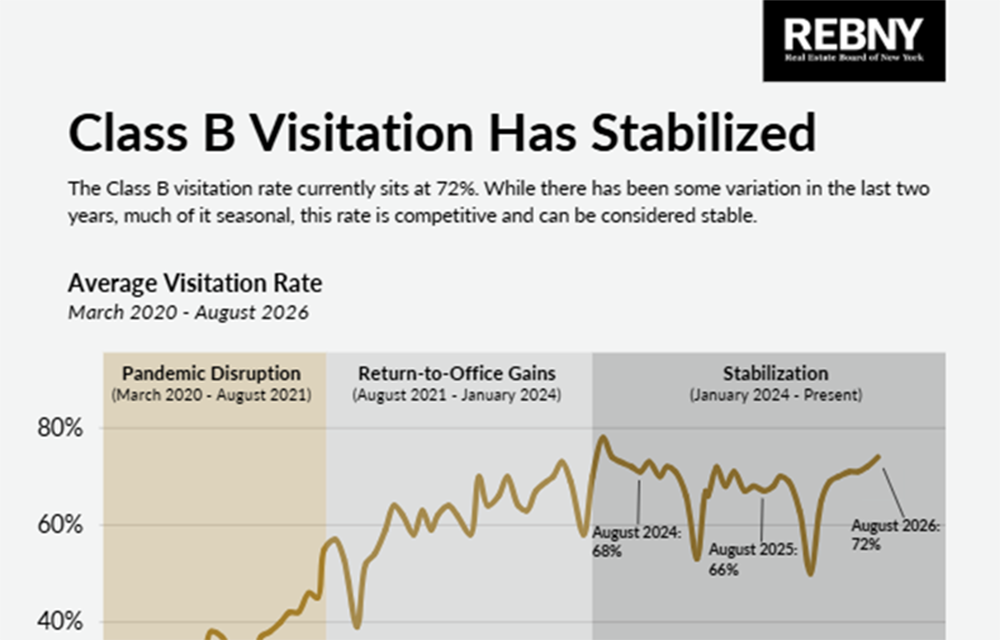
New York’s streets are full again, and the retail numbers prove it - by Noam Aziz
Walk down any New York block this year and you can feel it. The sidewalks are crowded, the storefronts are lit, and the energy that defines this city is back at full volume.

Hunt CRE question and answer: Choosing a real estate agent - by David Hunt
First, we will only work with one agent exclusively. The primary reason is that we want that agent to legally represent our client’s interests. In New York State, a real estate agent has a fiduciary

A guide to finding the right NYC property management company - by Sanjay Gandhi
Being a small to midsize landlord in NYC is an increasingly demanding endeavor. From navigating complex regulations, increased compliance demands to dealing with tenant issues and remediating violations. It is wise to enlist the assistance of a partner, a professional

Hunt commercial real estate question and answer: Fortune 500 wisdom - by David Hunt
Yes, there are lessons to be learned from the largest companies in America when comes to managing your real estate. But the decision to buy or lease real estate may not be one of
.gif)