



News:
Brokerage
Posted: March 25, 2013
An attorney discusses labor law 240 and shareholder renovations
Most people know about Labor Law 240 in the context of renovations on buildings. This is the law that makes owners, contractors and their agents liable for injuries to workers who fall from a height. It is also known as the "Scaffold Law." However, falling from a height can include a wide range of causes. It can include when a worker stands on a box to install a light fixture and falls. Most shareholders would be surprised to learn that it can also apply in some instances to renovations in their apartments.
The statute applies to "All contractors and owners and their agents, except owners of one and two-family dwellings who contract for but do not direct or control the work...." The exception for owners of one and two-family dwellings is known as the "Homeowner Exemption." One family dwellings has been interpreted by the courts to include co-op apartments. The catch is that these owners cannot "direct or control the work." What that means is open to interpretation.
Shareholders who like to give a lot of orders and are very involved in the day-to-day details of the work in their apartment renovations will find it harder to be let out of such cases, since the plaintiff will be claiming that they directed and controlled the work. Shareholders who have more traditional roles where they have architects communicating with the contractor and just comment on aesthetic issues will have an easier time when the attorneys file motions to be dismissed from the law suit.
Language in the contracts between shareholders and their contractors can be helpful in establishing this, so shareholders are well-advised to work with an attorney who knows this area of the law when they are entering into contracts with contractors and alteration agreements with the co-op.
The co-op can also be sued under this law as an owner. However, the same reasoning has not been applied to condominium buildings for injuries to workers in an individual unit, even when they retain the right ot review plans.
C. Jaye Berger, Esq., is principal at Law Offices C. Jaye Berger, Manhattan, N.Y.
Tags:
Brokerage
MORE FROM Brokerage
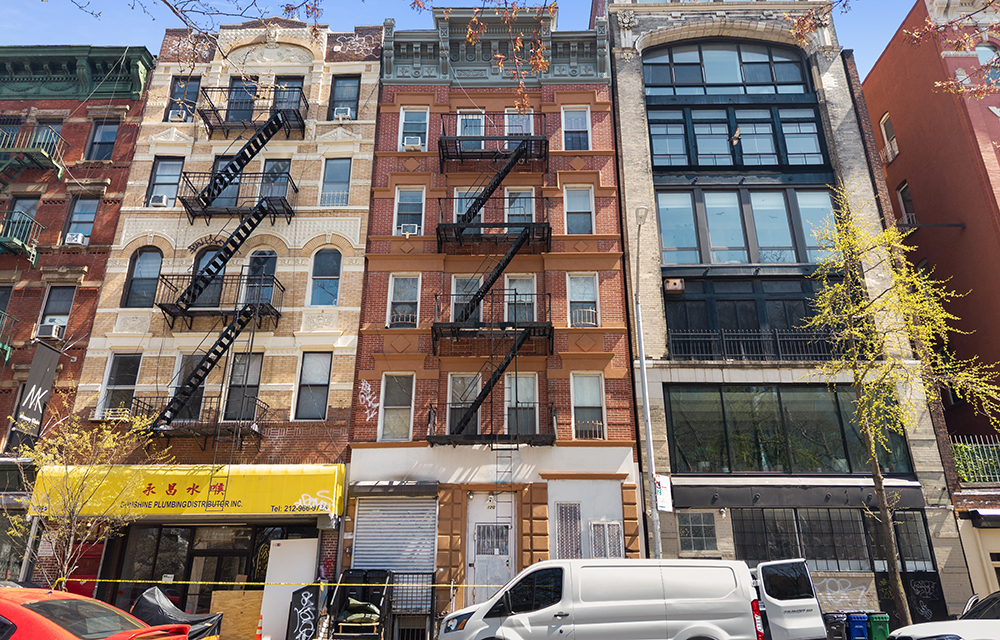
Investment Property Realty Group sells 120 Forsyth St. for $1.35 million
Manhattan, NY Investment Property Realty Group (IPRG) closed the sale of 120 Forsyth St., a mixed-use building located in the Lower East Side section of the city, for $1.35 million.




Quick Hits
 (2).gif)

Columns and Thought Leadership

New York’s streets are full again, and the retail numbers prove it - by Noam Aziz
Walk down any New York block this year and you can feel it. The sidewalks are crowded, the storefronts are lit, and the energy that defines this city is back at full volume.

Hunt commercial real estate question and answer: Fortune 500 wisdom - by David Hunt
Yes, there are lessons to be learned from the largest companies in America when comes to managing your real estate. But the decision to buy or lease real estate may not be one of

Positive forecast for New York’s pro-housing push? - by Philip Butler
New York’s housing crisis remains a hot button topic despite growing consensus that varied and affordable housing is desperately needed statewide. Governor Hochul has recently introduced several initiatives to overcome N.Y.’s anti-housing

A guide to finding the right NYC property management company - by Sanjay Gandhi
Being a small to midsize landlord in NYC is an increasingly demanding endeavor. From navigating complex regulations, increased compliance demands to dealing with tenant issues and remediating violations. It is wise to enlist the assistance of a partner, a professional
.gif)