



News:
Spotlight Content
Posted: December 20, 2016
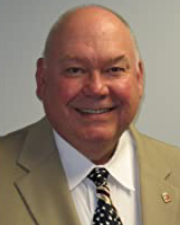
2016 Year in Review: Raphael Toledano, Brookhill Properties
 Raphael Toledano, Brookhill Properties
Name & Title: Raphael Toledano, President and CEO
Company Name: Brookhill Properties
What was your most notable project, deal, transaction or professional achievement in 2016?
Brookhill Properties is proud to have improved the housing stock for more than 1,000 residents primarily in the East Village and Chelsea neighborhoods of Manhattan. The continued demand for safe, sound and affordable multifamily housing drove demand in 2016 to low vacancy levels, particularly in Manhattan.
What project, transaction, market trend or product had the greatest impact on your industry this year?
The notable transaction that became a break-out deal for Brookhill Properties was the acquisition of 28 buildings in two separate portfolios from the prominent Tabak family for a combined $140 million.
Since then, we have expanded our portfolio with additional acquisitions that have solidified Brookhill as one of the most prominent owners in Manhattan and contributed to my success in becoming one of New York City’s youngest real estate owners to have such a substantial portfolio.
How will you be supercharging your productivity in 2017?
Our office recently moved to new headquarters of 777 Third Avenue providing a class A environment for our valued employees. Our relocation is a part of our strategic expansion to continue growing our footprint in Manhattan and to broaden the asset classes that our firm focuses on. New York will always remain a global destination and our overarching goal will always be to bring luxurious spaces to treasured neighborhoods at an attainable price point.
What emerging trends will drive investment and development in 2017?
The multifamily market will continue to see high demand in all boroughs of New York City. Interest rates will remain relatively low with lenders still in the market for borrowers with good cash flowing rental properties.
Tags:
Spotlight Content
MORE FROM Spotlight Content
Participate in Developing New York Featuring Westchester County - November 24, 2026
Choose how you’d like to participate in this edition of NYREJ’s Developing New York series featuring Westchester County.



.png)

Quick Hits
 (2).gif)

Columns and Thought Leadership

2026 Developing Long Island: ERG Commercial Real Estate launches its new Retail Leasing division
North Hempstead, NY ERG Retail Leasing is the dedicated leasing division of ERG Commercial Real Estate, an established full-service commercial real estate brokerage for over 35 years.

2026 Developing Queens: Long Island Board of Realtors advances commercial growth and advocacy in Queens
The Long Island Board of Realtors (LIBOR) Commercial Network continues to play a key role in advancing opportunities and strengthening the commercial real estate landscape across Queens. Through targeted programming and global outreach

From vacancy to vitality: How adaptive reuse is reshaping Long Island’s CRE landscape - by Andrea Tsoukalas Curto
Adaptive reuse has become one of the most important conversations in commercial real estate today. Long Island has a large inventory of aging retail, office and industrial

CRE Guide Featured Company: Merritt Environmental Consulting Corp.
Merritt Environmental Consulting Corp. (MECC) was established in June of 2009 after being part of a larger engineering firm for almost 20 years. The focus of the company is to assist lending institutions, attorneys, real estate investors, and property owners with environmental concerns. Today, MECC has offices in New York, Florida, and Vermont and has grown into a regional consulting firm serving clients along the East Coast.