



News:
Brokerage
Posted: March 26, 2026
Zelouf International Corp., Konges Sløjd Inc. and EZTextiles.com sign new leases at 209 West 38th St. totaling 18,101 s/f
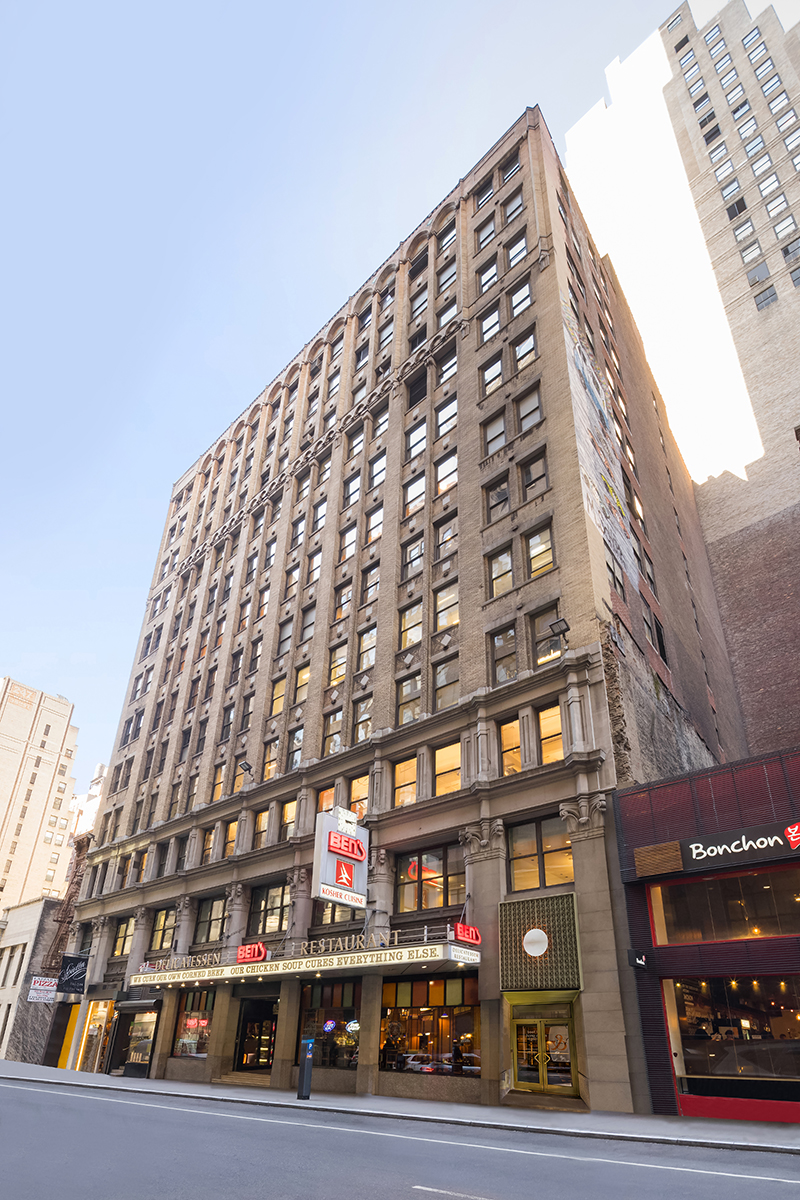
Manhattan, NY GFP Real Estate said that three new leases have been signed at 209 West 38th St. in Midtown South with Zelouf International Corp., Konges Sløjd Inc. and Zateks Textile Inc., d.b.a. EZTextiles.com. The transactions further strengthen the building’s position as a destination for fashion, apparel, and textile companies in the city’s Garment District.
Mathew Mandell of GFP Real Estate represented the landlord, GFP Real Estate, and the tenants in each of the transactions below unless otherwise noted.
Zelouf International Corp., a third-generation wholesaler and fabric converter that delivers cost-efficient, quality fabrics at high speeds, signed a new 10-year lease for 13,600 s /f — the entire sixth floor — at the building. The company will use the new space as its general and executive offices, and as a showroom and design space. Brett Harvey of Newmark represented the tenant.
Konges Sløjd Inc., an international children’s lifestyle and apparel brand recognized for its Scandinavian-inspired designs and emphasis on quality craftsmanship, signed a new long-term lease for 2,822 s/f of showroom and office space on the 11th floor.
Zateks Textile Inc., d.b.a. EZTextiles.com, a textile wholesaler that provides the largest online library of production-ready, royalty-free digital textile designs, signed a lease renewal for 1,679 s/f of showroom and office space in on the 11th floor. The lease continues the company’s operations at the property, reinforcing 209 West 38th St.’s position as a hub for apparel and textile businesses. The company first moved into the building in 2020.
Built in 1910 under the supervision of the architect Frank Helmle, 209 West 38th St. is a 12-story, 160,000 s/f office building that is home to several fashion tenants, while the base of the building features Ben’s Kosher Delicatessen. Located in the Garment District, the building is close to many subway lines as well as a variety of amenities.
Tags:
Brokerage
New York City
MORE FROM Brokerage
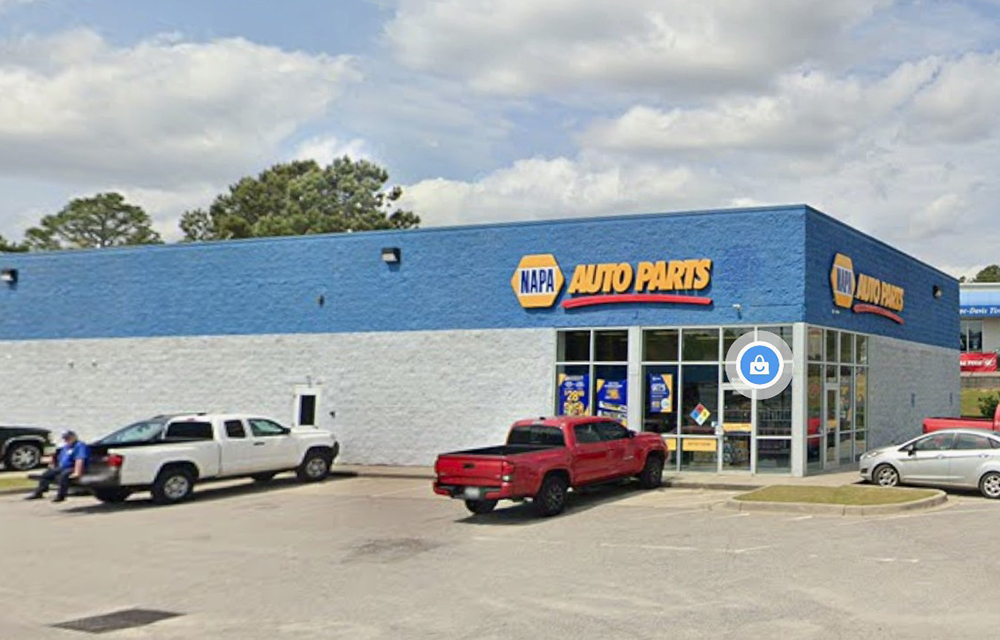
Marcus & Millichap brokers $15 million sale of multi-state NAPA Auto Parts portfolio
Palmetto, FL Marcus & Millichap brokered the sale of a nine-property NAPA Auto Parts portfolio for $15,025,104. The portfolio includes properties in Palmetto, FL.;





Columns and Thought Leadership

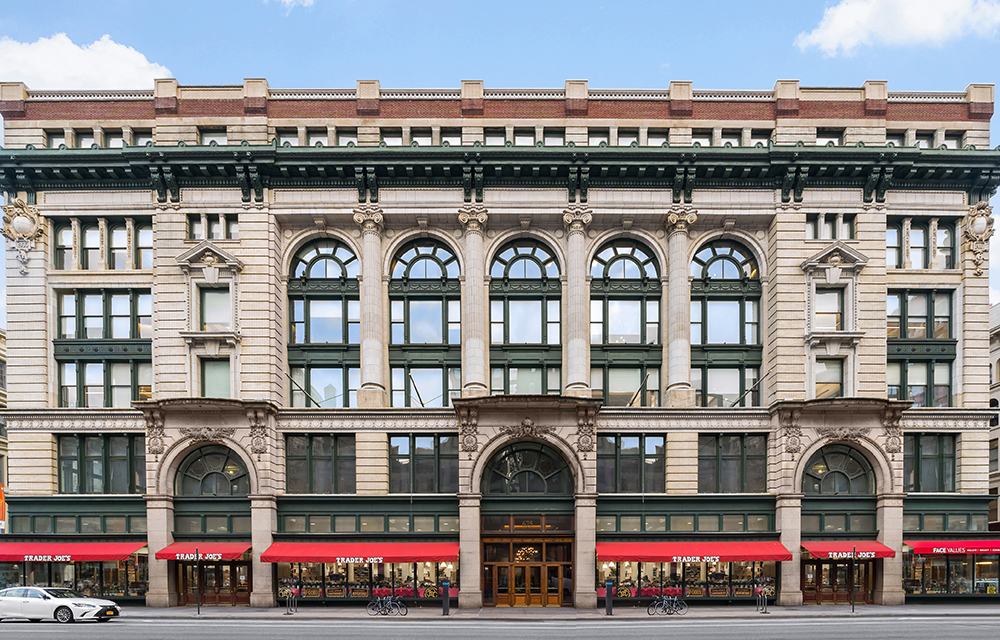
New York’s streets are full again, and the retail numbers prove it - by Noam Aziz
Walk down any New York block this year and you can feel it. The sidewalks are crowded, the storefronts are lit, and the energy that defines this city is back at full volume.

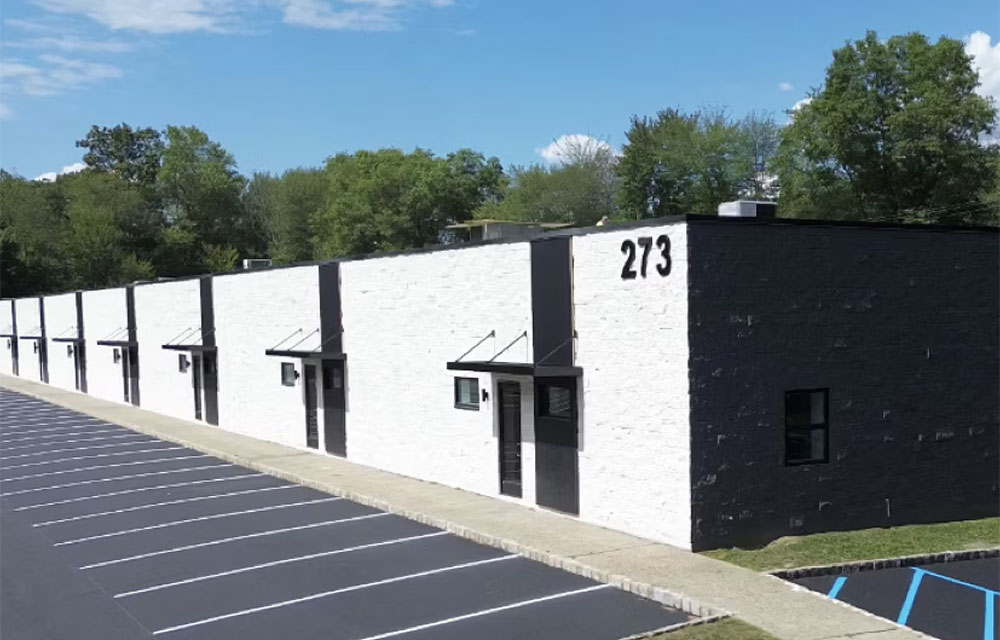
Positive forecast for New York’s pro-housing push? - by Philip Butler
New York’s housing crisis remains a hot button topic despite growing consensus that varied and affordable housing is desperately needed statewide. Governor Hochul has recently introduced several initiatives to overcome N.Y.’s anti-housing

A guide to finding the right NYC property management company - by Sanjay Gandhi
Being a small to midsize landlord in NYC is an increasingly demanding endeavor. From navigating complex regulations, increased compliance demands to dealing with tenant issues and remediating violations. It is wise to enlist the assistance of a partner, a professional

Hunt commercial real estate question and answer: Fortune 500 wisdom - by David Hunt
Yes, there are lessons to be learned from the largest companies in America when comes to managing your real estate. But the decision to buy or lease real estate may not be one of
.gif)