



News:
Spotlight Content
Posted: June 25, 2012
You get what you pay for, and never more so, than in your choice of real estate counsel
Why is it, in a real estate transaction they seldom negotiate the brokerage fee (typically 4%-6% of the sales price) but for that same transaction, as it relates to legal representation, their most important concern is finding an attorney to represent them for a flat fee? Do they really think they will get the same service and assistance as a professional who is being paid a fair hourly fee? Quality always trumps quantity.
Remember that Mobil Oil commercial "pay me now or pay me later?" That expression carries over to everything we do in life (right up there with "if it's too good to be true it is.") Why would it be different when it comes to hiring your professionals? As the administrator of the legal plan for owners in the Rent Stabilization Association in New York City, the largest world trade organization representing owners. I receive calls weekly from owners with problems due to a purchase. The problem usually began with their choice of legal counsel, usually based on three factors:
1. Using a general family attorney.
2. Recommended by broker (usually charging flat fee).
3. Quoted a flat and inexpensive fee. First time buyers need counsel based on experience not price.
The multi-million dollar property, with interest will cost you at least three times that over time, so why is price more important than quality or knowledge?
I have represented some families for over 30 years. But I won't represent them in a matter that is outside my scope of knowledge. It is more important that my client be protected than I earn a fee.
So the broker recommended them? How do you know that attorney is expert in the specific areas of real estate law? Real estate law encompasses more than negotiating a contract and attending a closing. In New York City, it includes rent regulations. In every locality it includes local zoning and building laws and customs. Being able to close on a vacant piece of property does not make the attorney able to close on a small shopping center or commercial building.
And number 3. Why are they willing to charge a flat fee? Are they experienced in that particular type of transaction? Will they have the time to and actually return your calls and be able to devote the time to your transaction? Most of the time, the answer is no.
I routinely get calls from clients who used another attorney to save on the fees (this economy has hurt everyone) who call me at some point (mostly in the days leading up to the closing), in a panic because their calls aren't being returned. They have questions. They need advice. They think there is a problem or something that was overlooked. They need to liquidate assets for closing expenses but have no idea of what they need. Their counsel is too busy to call back, or perhaps they want to limit their time on the phone with the client. I quietly and professionally tell them that I can not comment on an unknown deal, nor is it fair to ask me to give unpaid advice when they hired someone else to counsel them.
A chronic problem with New York City transactions is when the buyer has not checked with NYS Division of Housing and Community Renewal, the Agency where tenants file complaints against owners such as for rent overcharges or lack of service complaints. Months or years post closing, they receive notice that a prior tenants complaint has been found valid and they, the new owner, now owes, as a penalty three times the amount of the overcharge or must reduce a tenants rent. The complaint runs with the property, not the owner.
Other examples of problems arise when the attorney doesn't understand the ramifications of the title report (if they have actually read it) and/or does not understand the local zoning or building laws and fails to advise their client of the limitations on the property they are buying. That the property or building is not suitable for their intended purpose (not to mention fails to obtain the proper warranties and representations in the contract of sale), or that the property has specific limitations that will handicap the purchasers ability to build what they want or convert the building to another usage or to even operate the type of business they wish to open.
Experienced legal counsel may also give you guidance on your mortgage application process or explain the intricacies in how to accomplish zoning changes, get violations removed or deal with local governmental agencies or authorities with oversight over your property and project.
So, you see, your choice of legal counsel is much more important than you think, because you can "pay me now" or pay a heck of a lot more later.
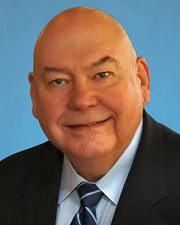
Howard Stern, Esq., is the owner and an attorney at Law Offices of Howard Stern, White Plains, N.Y.
Tags:
Spotlight Content
MORE FROM Spotlight Content

Participate in Developing New York Featuring Westchester County - November 24, 2026
Choose how you’d like to participate in this edition of NYREJ’s Developing New York series featuring Westchester County.



.png)

Quick Hits
 (2).gif)

Columns and Thought Leadership

From vacancy to vitality: How adaptive reuse is reshaping Long Island’s CRE landscape - by Andrea Tsoukalas Curto
Adaptive reuse has become one of the most important conversations in commercial real estate today. Long Island has a large inventory of aging retail, office and industrial

2026 Developing Long Island: ERG Commercial Real Estate launches its new Retail Leasing division
North Hempstead, NY ERG Retail Leasing is the dedicated leasing division of ERG Commercial Real Estate, an established full-service commercial real estate brokerage for over 35 years.

2026 Developing Queens: Long Island Board of Realtors advances commercial growth and advocacy in Queens
The Long Island Board of Realtors (LIBOR) Commercial Network continues to play a key role in advancing opportunities and strengthening the commercial real estate landscape across Queens. Through targeted programming and global outreach

CRE Guide Featured Company: Merritt Environmental Consulting Corp.
Merritt Environmental Consulting Corp. (MECC) was established in June of 2009 after being part of a larger engineering firm for almost 20 years. The focus of the company is to assist lending institutions, attorneys, real estate investors, and property owners with environmental concerns. Today, MECC has offices in New York, Florida, and Vermont and has grown into a regional consulting firm serving clients along the East Coast.