


News:
Owners Developers & Managers
Posted: May 26, 2026
Yeung of MOCEJ launches concierge-style service for buildings emissions reductions
Bronx, NY In Concourse Village, New York City chief climate officer Louise Yeung, head of the Mayor’s Office of Climate & Environmental Justice (MOCEJ), launched a free, concierge-style service to better serve NYC’s buildings and accelerate compliance with Local Law 97. MOCEJ was joined by deputy mayor for operations Julia Kerson, department of buildings commissioner Ahmed Tigani, and a representative from Sherman Terrace Co-Op.
Buildings make up nearly 70% of citywide emissions, and New Yorkers spend an average of 90% of their time indoors according to NYC data. To meet New York City’s ambitious climate goals, the Mamdani administration is ensuring that building owners have the tools they need to shape the green future.
“Momentum” is a free, enhanced concierge-style service to empower co-ops, condos, property managers, and building owners to modernize their buildings, reduce their climate impact, and improve resident quality of life. Developed by Cadence OneFive, the tool will give owners and property managers a dedicated resource to plan complex retrofits, project Local Law 97 compliance, and estimate penalties and emissions reductions needed to meet targets. Building owners can visit accelerator.nyc to get started.
Updates to the enhanced NYC Accelerator program include resiliency planning integrations, expanded workforce development programming focused on connecting employers with incentives and engaging MWBEs, prioritized support for Carbon Challenge participants, and deeper tracking and analysis to improve financing options and program delivery.
Building owners and property managers will gain access to a dedicated call center and referral service for all buildings, regardless of size. New digital tools and resources will improve access and efficiency, including an enhanced website, a user portal for building owners and service providers, a decarbonization action-planning tool, a searchable case study library, and a free education and training portal with guides, videos, webinars, and courses.
“Greening our buildings, which make up 70% of the city’s emissions, is critical to making our city healthier and cleaner as we tackle the climate crisis,” said Yeung. “The NYC Accelerator provides dedicated support free of charge for building owners to modernize their properties, lower emissions, and cut through red tape by connecting them to financing, technical expertise, and trusted support to adopt climate solutions. A just and equitable transition to a greener future must include all New Yorkers, and we are excited to unveil these new, free resources for buildings across the five boroughs.”
“The goal here is simple: to make it easy for New Yorkers to do the right thing and participate in our city’s green transition,” said Kerson. “The enhanced NYC Accelerator is designed to assist building owners with everything from resiliency planning to decarbonization retrofits, and I am excited to deliver this tool that will help us achieve carbon neutrality.”
“In the first reporting year for Local Law 97, well over 90 percent of buildings submitted compliance reports,” said Tigani. “This high level of compliance reflects the City’s efforts to provide support and guidance. NYC Accelerator has been central to these efforts, and its expansion sets the City up for continued success.”
“We cannot meet our sustainability goals if building owners are left to figure this out on their own,” said Housing Preservation and Development commissioner Dina Levy. “The NYC Accelerator gives owners what they actually need: real guidance, real tools, and real support to upgrade buildings and fnd cost savings.”
“Local Law 97 presents both opportunities and challenges for co-ops and condos,” said Rebecca Poole, director of membership and communication at CNYC Inc. “These new tools, including Momentum, will provide vital information to help boards balance compliance costs with long-term affordability.”
“Helping co-ops invest in green upgrades will improve daily life with lower energy bills, healthier homes, and cleaner air,” said Priya Mulgaonkar, director of the Green Co-op Council. “We applaud the launch of this platform to support compliance and cut pollution.”
“Many building owners are searching for cost-effective ways to comply with Local Law 97,” said Basha Gerhards, executive vice president of Public Policy at REBNY. “It is encouraging to see enhanced services to help navigate these requirements and improve building performance.”
Sherman Terrace Co-Op, a Bronx-based housing cooperative, demonstrates what is possible. By implementing incremental upgrades, the building avoided nearly $60,000 in annual penalties between 2030 and 2034 while reducing utility costs by over 30%.
MOCEJ’s NYC Accelerator program is delivered in partnership with the Department of Buildings (DOB), Housing Preservation and Development (HPD), and the Department of Environmental Protection (DEP).
Willdan, the primary program implementer, brings industry-leading engineering expertise and has served over 230,000 customers nationwide.
Local Law 97 of 2019, part of the Climate Mobilization Act, is the nation’s most ambitious building emissions law. Beginning in 2025, it requires large buildings to meet emissions limits, with stricter targets in 2030 and beyond to put the City on a path to carbon neutrality by 2050.
MORE FROM Owners Developers & Managers
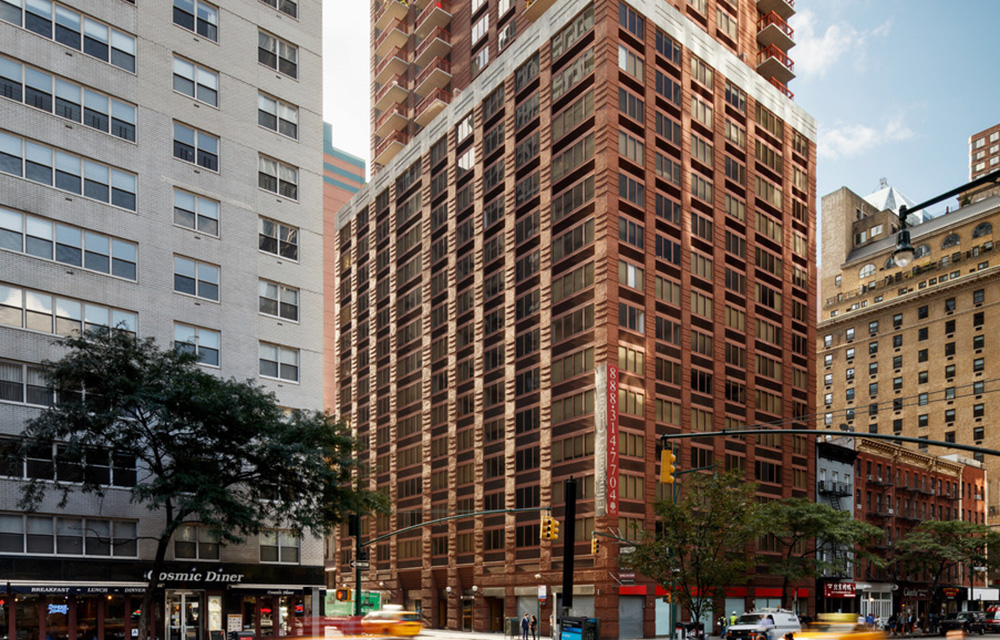
Rose Assocs. partners with Morgan Stanley Real Estate Investing to recapitalize The Ellington
Manhattan, NY Rose Associates, Inc., the New York-based multifamily real estate developer and manager, has partnered with a fund managed by Morgan Stanley Real Estate Investing (MSREI) in the recent recapitalization




Quick Hits
 (2).gif)

Columns and Thought Leadership

Don’t leave severance damages behind - by Sebastian Jablonski
When the government takes a portion of a landowner’s property, most assume just compensation stops at the value of the land taken. However, in partial takings, that is only half of the equation.

New York City’s historic rent freeze now rests with the courts - by Ron Cohen
New York City’s first-ever two-year rent freeze is now in the hands of a state Supreme Court judge, and the decision could reset income for owners of roughly one million rent-stabilized apartments housing some 2.4 million residents.
NYC's Community Opportunity to Purchase Act is back - and multifamily owners should pay attention - by Ron Cohen
New York City’s Community Opportunity to Purchase Act (COPA) is back, and this latest version could have a much better chance of becoming law. The proposal would give qualified nonprofit organizations

Hunt Commercial Real Estate Q&A: Location, location, location? - by David Hunt
In working with our clients, we break down our search objectives into two categories. The first category involves the specific needs of your business such as warehouse height, amount of office space and number of loading