



News:
Brokerage
Posted: August 14, 2026
Neighborhoods, not apartment complexes, build resilient communities that are safer, healthier, and more prosperous - by Paul Adler
Rockland County doesn’t have a housing crisis. It has a community crisis.
We’ve spent years arguing over density, parking ratios, building heights, traffic counts, and sewer capacity. Those are important discussions—but they’re not the real conversation. The real question is this: What kind of communities do we want our children and grandchildren to inherit?
Somewhere along the way, we stopped designing neighborhoods and started approving projects.
As chief strategy officer of Rand Commercial, I’ve watched proposal after proposal become a political battlefield. Every multifamily development is treated as either salvation or catastrophe. The result? Years of delay, mounting costs, fewer homes, and a generation of young families, teachers, civil servants, healthcare workers, first responders, and seniors who simply cannot find a place to live in the communities they serve.
It’s time to stop thinking about multifamily housing as an apartment complex and start thinking about it as a neighborhood.
The most successful neighborhoods in America were never built around demographics. They were built around relationships.
Imagine a community where the retired widow on the third floor becomes everyone’s Nonna, Bubbe, Granny, or Abuela — the trusted elder who watches a child for an hour after school, shares life lessons, or simply knows everyone’s name. Across the hall, a college graduate helps her navigate her smartphone, orders groceries online, or installs the latest software update. Downstairs lives the young firefighter, the little league coach, the volunteer EMT, the schoolteacher, and the small business owner.
That’s not nostalgia. That’s resilience.
Mixed-income, multi-generational housing creates social capital that no government program can manufacture. It combats loneliness among seniors, supports working families, encourages volunteerism, and creates the human connections that make neighborhoods safer, healthier, and more prosperous.
Unfortunately, our land-use approval system is working against exactly this kind of future.
Too often, planning boards and zoning boards function less as independent stewards of long-term planning and more as extensions of the prevailing political winds. Decisions that should be guided by comprehensive planning are frequently driven by election calendars, organized opposition, or fear of change. That’s not planning. That’s politics.
We can — and must — do better.
The region needs a countywide “sustainable growth playbook” that establishes a shared vision before the next controversial project arrives. It should bring together planners, elected officials, developers, civic associations, environmental advocates, school districts, infrastructure providers, and the land-use bar to agree on what balanced growth actually looks like.
When everyone understands the rules before the first application is filed, projects move more efficiently, municipalities reduce conflict, investors gain confidence, and residents know that growth is occurring according to a thoughtful plan — not through political improvisation.
We also need to reconnect housing with economic development. Great communities don’t end at the property line. They extend to thriving Main Streets where residents shop locally, dine locally, attend community theater, support local artists, volunteer with civic organizations, serve on planning boards, coach youth sports, and strengthen the fabric of their hometowns.
Housing policy is community policy. Economic policy. Public safety policy. Workforce policy. Aging policy.
The question isn’t whether Rockland County or the region will grow. It will!
The question is whether we’ll continue approving isolated buildings — or begin creating neighborhoods where generations know one another, businesses thrive, civic engagement flourishes, and every resident has an opportunity not just to live here, but to belong.
That’s the kind of growth our county deserves. And it’s the kind of leadership this moment demands.
Reprinted from the Rockland County Business Journal
Paul Adler is chief strategy officer of Rand Commercial, Rockland County, N.Y.
Tags:
Brokerage
Thought Leadership
MORE FROM Brokerage
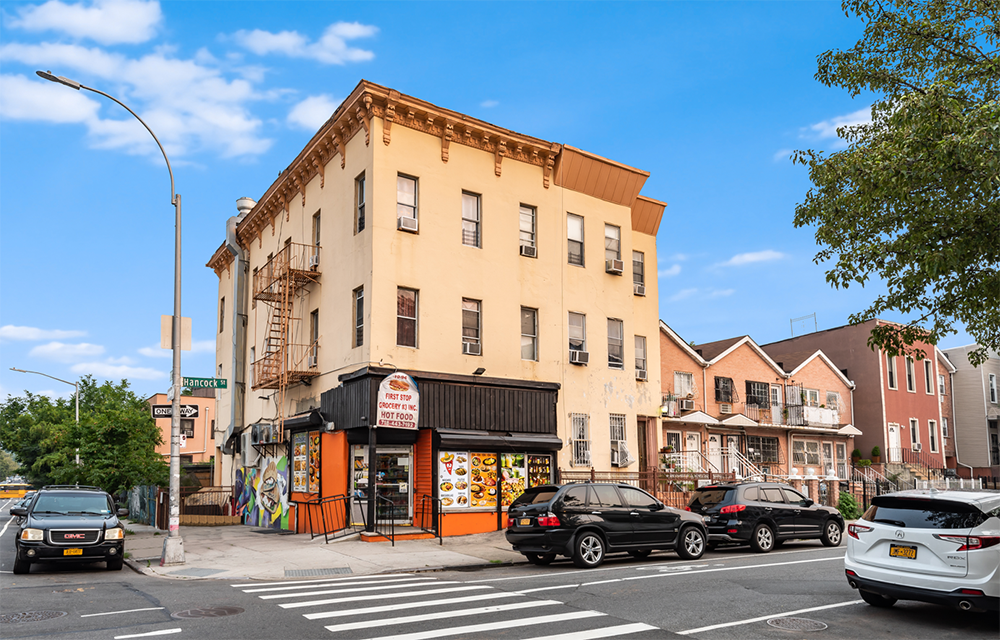
Investment Property Realty Group closes $1.75 million sale of 1094 Hancock Street in Brooklyn
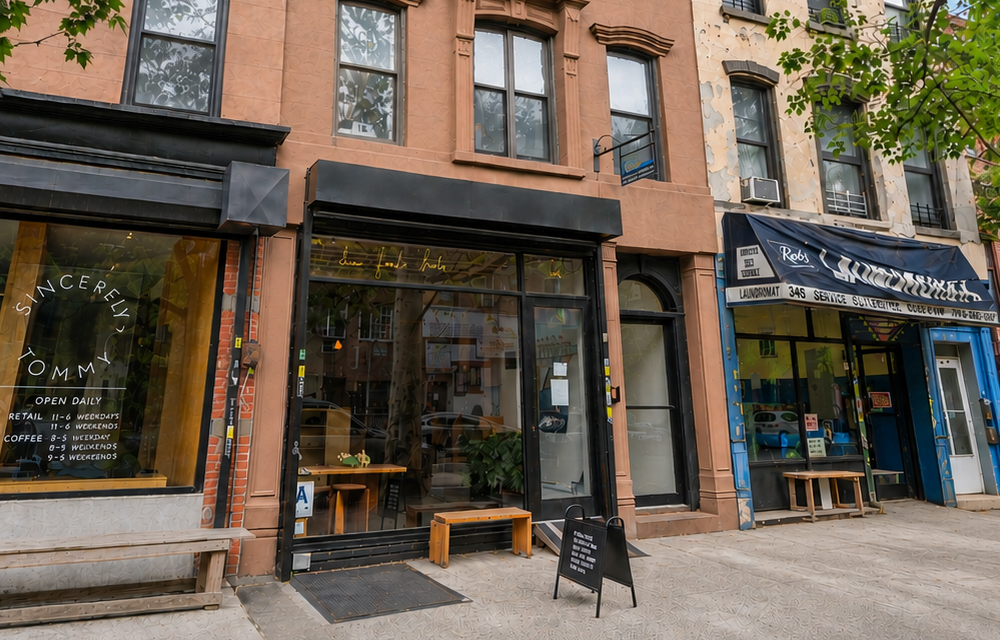
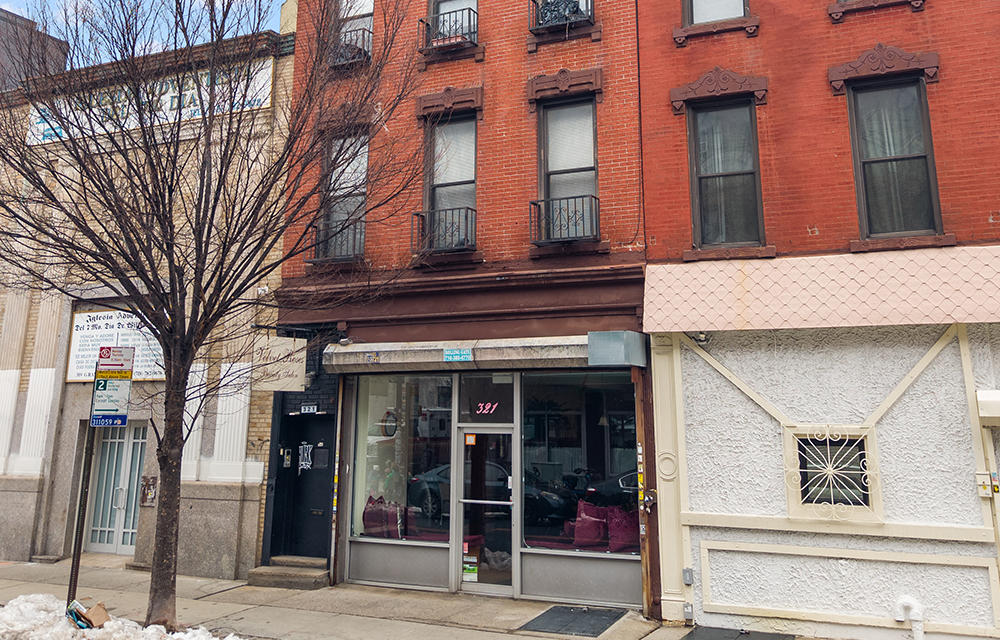
Brooklyn, NY Investment Property Realty Group (IPRG), a New York-based commercial investment firm, has closed the sale of 1094 Hancock St., a mixed-use building in the Bushwick section, for $1.75 million.


Quick Hits
 (2).gif)

Columns and Thought Leadership

New York’s streets are full again, and the retail numbers prove it - by Noam Aziz
Walk down any New York block this year and you can feel it. The sidewalks are crowded, the storefronts are lit, and the energy that defines this city is back at full volume.

Hunt commercial real estate question and answer: Fortune 500 wisdom - by David Hunt
Yes, there are lessons to be learned from the largest companies in America when comes to managing your real estate. But the decision to buy or lease real estate may not be one of

Hunt CRE question and answer: Choosing a real estate agent - by David Hunt
First, we will only work with one agent exclusively. The primary reason is that we want that agent to legally represent our client’s interests. In New York State, a real estate agent has a fiduciary

A guide to finding the right NYC property management company - by Sanjay Gandhi
Being a small to midsize landlord in NYC is an increasingly demanding endeavor. From navigating complex regulations, increased compliance demands to dealing with tenant issues and remediating violations. It is wise to enlist the assistance of a partner, a professional
.gif)