



News:
Brokerage
Posted: July 29, 2025
Why you shouldn’t wait until the ribbon cutting to tell your story - by Jeff Lavery

If your communications strategy begins and ends with a press release when the project’s done, we’ve got news: you’re leaving a lot on the table.
Whether you’re a developer, construction firm, architect, or engineer, every project you touch is more than a milestone — it’s a marketing opportunity. And not just for you, but for the client, the community, and every stakeholder along the way. The story of your work deserves more than a one-off press blast after the punch list is complete.
That’s where a firm like ours comes in. We help clients develop a construction project marketing strategy that starts early, builds momentum, and doesn’t rely on a single moment of coverage.
You Know the Site. We Know the Story
Walking through a job site is second nature to you. You know what to point out: the innovative framing solution, the custom façade, the way the stormwater system works with the surrounding landscape.
But most of your clients (and the people who read about your work) aren’t structural engineers. They don’t speak spec sheet. They need someone to translate progress into purpose and milestones into momentum. A strong construction project marketing strategy helps bridge that gap — turning technical progress into human-centered storytelling.
Don’t Let the Portfolio Get Dusty
Why wait until a project is finished to show the world what you’re doing?
We help clients turn their active projects into active content. It’s not just about getting likes; it’s about positioning your firm as the one that brings projects to life while they’re happening — not just when they’re done.
And yes, your client wants this too. Everyone wants to be the one on LinkedIn who looks like they’re innovating, collaborating, and executing. We help you make them look good while making you look even better.
A modern construction project marketing strategy should account for how and when your audience consumes content — during the build, not just after.
Go Beyond the Press Release
Press releases aren’t dead, but they’re not the whole plan. We use them to support the arc, not to carry it. The best results happen when we’re thinking beyond the final “grand opening” photo op.
For example, instead of announcing a groundbreaking, bring media or stakeholders onsite to see why it matters. Instead of only posting a finished project, we get testimonials while the walls are still going up. Instead of sending out a blast months later, we’re keeping the audience warm throughout the build. That’s the power of a construction project marketing strategy built for visibility, momentum, and trust.
Visibility Begets Credibility
Let’s be honest: decision-makers don’t just look at one press release and hand over a $25 million project. They Google. They follow. They ask around.
If your name keeps popping up — on industry blogs, in trade coverage, in project updates — suddenly you’re not just another firm. You’re the one who gets it. The one who’s organized. The one who gets invited to the next pitch meeting because someone saw your name on that project downtown.
Working with a firm like Pedigree PR helps make that happen. We don’t just get you press. We build a presence. That presence is the result of a long-view construction project marketing strategy — not last-minute outreach.
Let’s Get on Site
We show up and help you turn the real work you’re doing into stories people remember. If you’ve got a tour coming up, a milestone in sight, or even just a pitch in the works — talk to us. The earlier we get involved, the more we can do.
Jeff Lavery is managing principal and founder of Pedigree Public Relations, Annapolis, MD.
Tags:
Brokerage
MORE FROM Brokerage
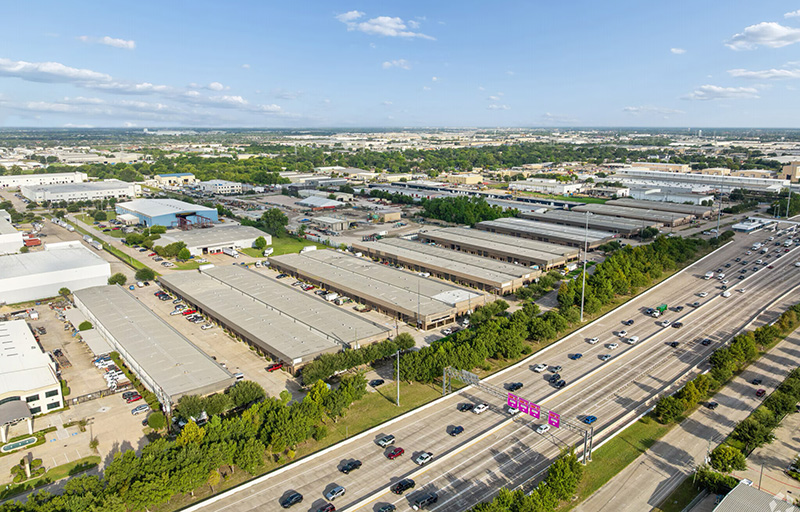
Simi Capital enters Texas with acquisition of 359,000 s/f small-bay industrial portfolio in Northwest Houston
Houston, TX Simi Capital acquired a three-property, 359,000 s/f small-bay industrial portfolio. The transaction, completed in a joint venture with Decker Capital, marks Simi



Quick Hits
 (2).gif)

Columns and Thought Leadership

Hunt commercial real estate question and answer: Fortune 500 wisdom - by David Hunt
Yes, there are lessons to be learned from the largest companies in America when comes to managing your real estate. But the decision to buy or lease real estate may not be one of

New York’s streets are full again, and the retail numbers prove it - by Noam Aziz
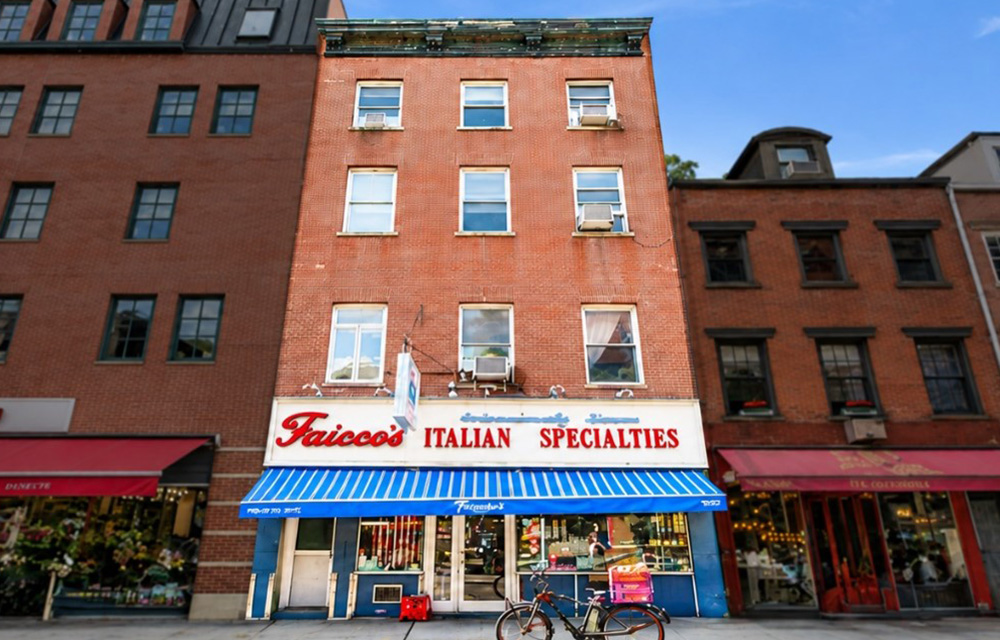
Walk down any New York block this year and you can feel it. The sidewalks are crowded, the storefronts are lit, and the energy that defines this city is back at full volume.

A guide to finding the right NYC property management company - by Sanjay Gandhi
Being a small to midsize landlord in NYC is an increasingly demanding endeavor. From navigating complex regulations, increased compliance demands to dealing with tenant issues and remediating violations. It is wise to enlist the assistance of a partner, a professional

Hunt CRE question and answer: Choosing a real estate agent - by David Hunt
First, we will only work with one agent exclusively. The primary reason is that we want that agent to legally represent our client’s interests. In New York State, a real estate agent has a fiduciary
.gif)